 Rich New Materials


1 / 5
Sound-absorbing panels are essential noise control solutions for a wide range of venues that require superior acoustics. Common applications include grand theaters, concert halls, cinemas, recording and broadcasting studios, conference rooms, and home theaters. They are also widely installed in gymnasiums, exhibition halls, KTV rooms, dance halls, and monitoring rooms. For industrial settings, these acoustic panels effectively reduce noise in factories (especially textile mills and facilities exceeding noise limits), soundproof rooms, and manufacturing plants. Additional use cases include courts, lecture halls, interrogation rooms, as well as acoustic wall and ceiling panels in large public buildings. They work by trapping and absorbing sound waves instead of letting them bounce off hard surfaces like drywall, concrete, or glass.
Blurs out the hollow, tinny sound commonly found in large or open-plan rooms.
Enhances vocal articulation, making communication easier in meeting rooms, lecture halls, and classrooms.
Prevents muddy bass frequencies and sharp high-ends from warping sound in home theaters or recording studios.
Reduces the overall volume buildup within a space by trapping sound reflections.
Cuts down background noise distractions in open-plan office layouts so employees can focus.
Prevents conversations from carrying clearly across public spaces or between adjacent desks.
Lowers sensory overstimulation and auditory fatigue, creating a calmer environment.
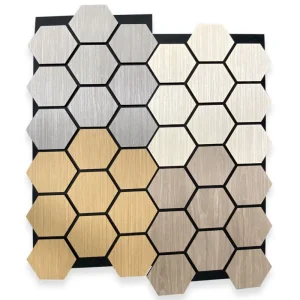
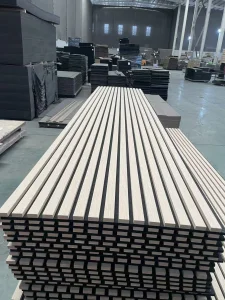
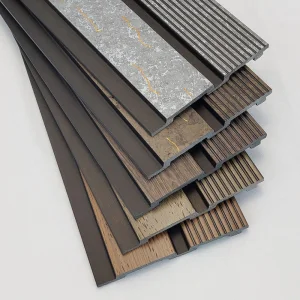
Available as modern fabric-wrapped panels, geometric foam shapes, or trendy wood slat systems.
Mounts effortlessly to walls, ceilings, or partitions with minimal tools or adhesive.
Commercial variants often carry fire-retardant ratings and prioritize low-VOC materials to preserve indoor air quality.


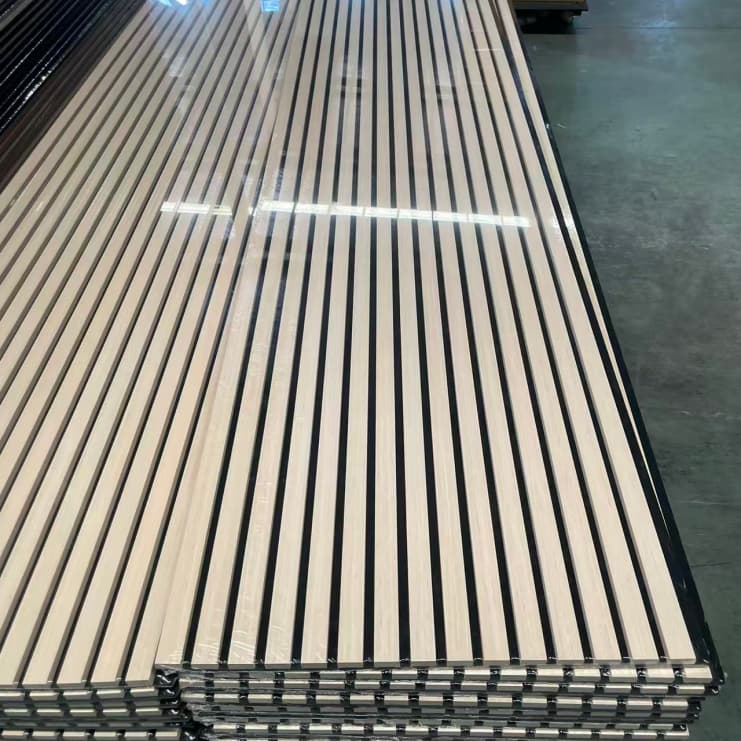
Sound-absorbing panels work by trapping sound waves within porous materials rather than letting them bounce off hard flat surfaces like concrete, glass, or drywall, effectively controlling reverb and flutter echoes.
Sound absorption improves internal room acoustics by eliminating echo and background noise within a room. Soundproofing prevents sound from entering or escaping a room entirely.
They are commonly mounted on primary reflection points on walls and ceilings in theaters, recording studios, open offices, classrooms, gymnasiums, and industrial spaces.
No, most acoustic panels are designed for simple installation using standard mounting clips, impaling brackets, or heavy-duty construction adhesive with minimal tools required.
Commercial-grade acoustic panels frequently carry fire-retardant safety ratings and use low-VOC materials to ensure safety and preserve healthy indoor air quality.
![China [Copy] Moisture-Resistant Indoor WPC Wall Panel Suppliers, Factory](https://site.cdnfile.io/www.richgreenbuild.com/103e05ff076bae765365a87c73a32fc8300_300.webp)