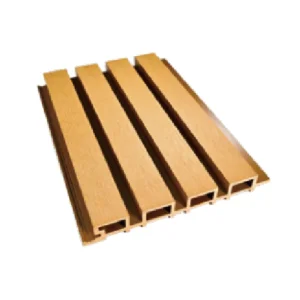
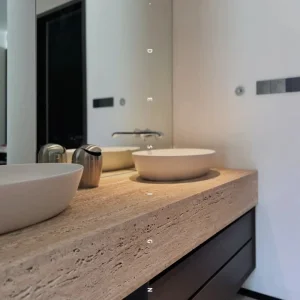
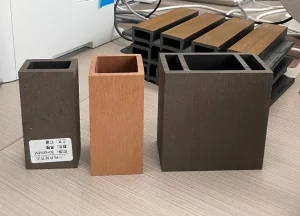
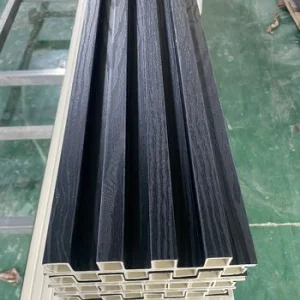
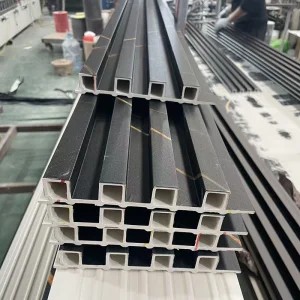
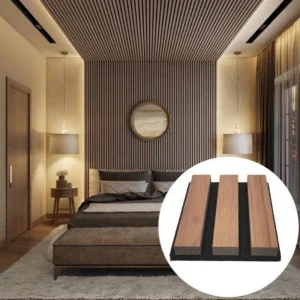
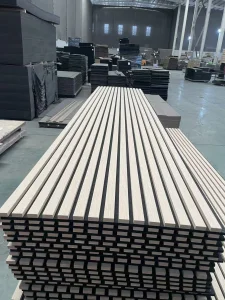
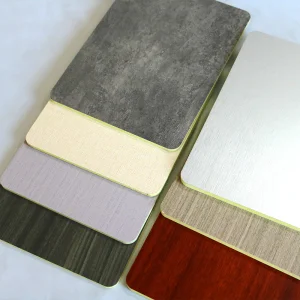
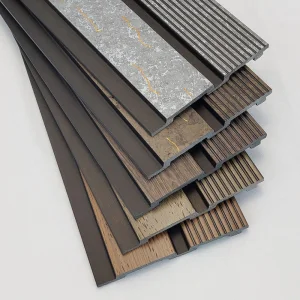
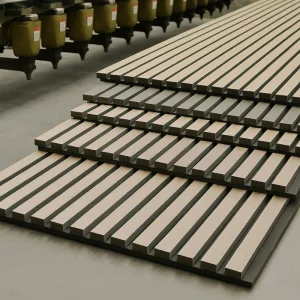
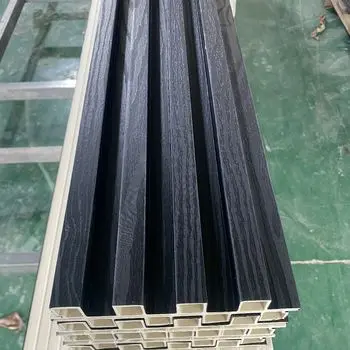
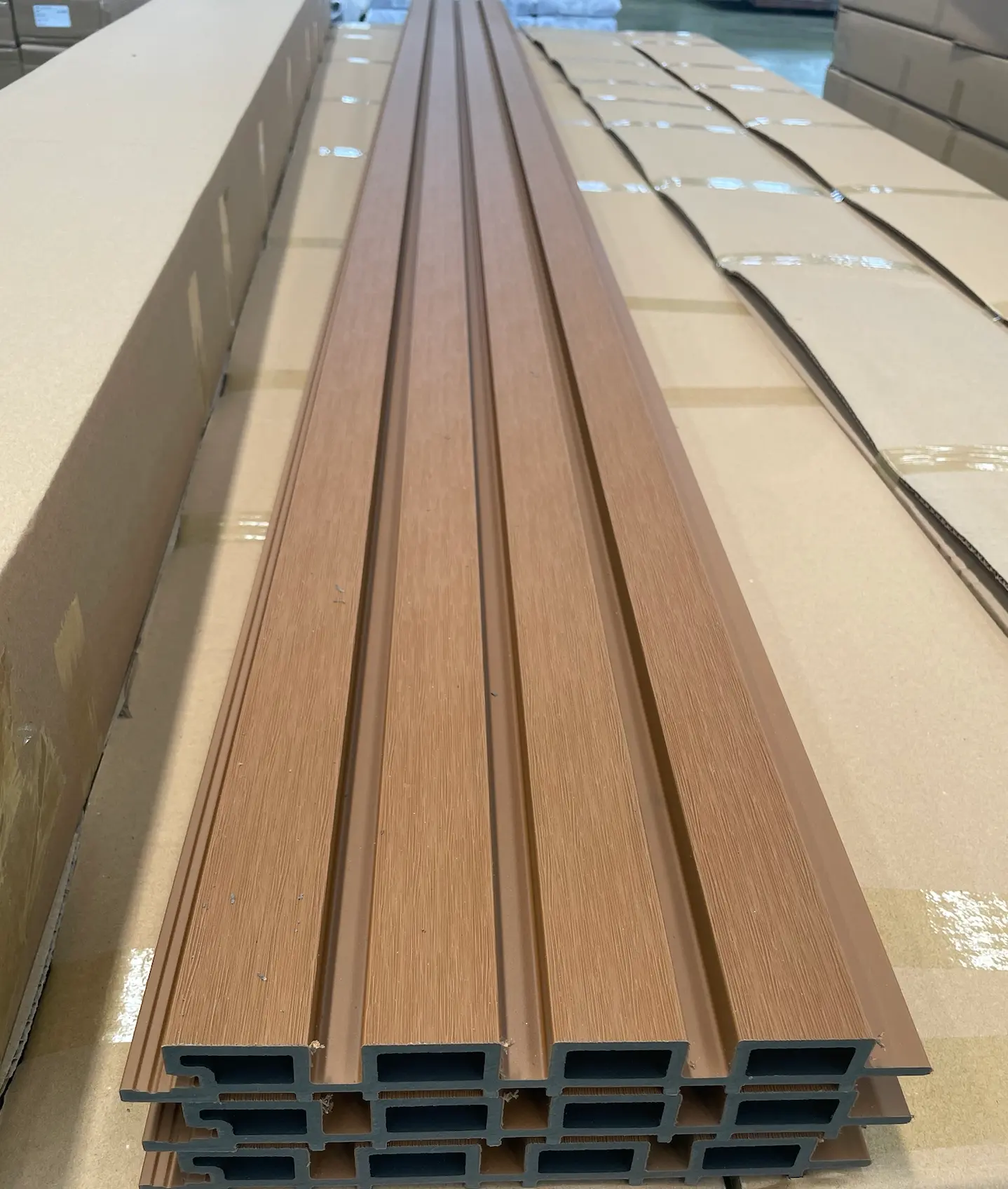
The global architectural cladding and decking sector is experiencing a structural paradigm shift. Driven by rigorous international environmental mandates, rising timber deforestation constraints, and increasing demand for low-lifecycle-cost building envelopes, Outdoor WPC (Wood-Plastic Composite) Wall Panels and Decking have emerged as the definitive material standard for contemporary exterior construction.
According to current market intelligence, the global WPC market is projected to expand at a compound annual growth rate (CAGR) exceeding 11.4% through 2030. This growth is predominantly anchored in the commercial real estate, public infrastructure, and luxury residential sectors. Traditional lumber—while historically prized for organic aesthetics—presents severe long-term vulnerabilities including hydrolytic degradation, fungal rot, thermal warping, and high cumulative maintenance overheads. Conversely, first-generation plastic alternatives frequently lack structural rigidity and aesthetic depth. Advanced co-extruded WPC bridges this gap by unifying natural cellulosic aesthetics with synthetic polymer resilience.
Modern facades require structural lightweighting, high wind-load resistance, precise interlocking mechanics, and total color stability under extreme solar irradiance.
Transitioning from virgin timber to high-density recycled HDPE and refined micro-wood fiber matrices yields up to 78% reduction in lifecycle embodied carbon.
Eliminating regular sanding, oiling, painting, and chemical sealants provides a net positive return on investment within 36 to 48 months post-installation.
Linyi Rich New Materials Co., Ltd. stands as a modernized industrial titan in the engineered building materials domain. Headquartered in Linyi City, Shandong Province—China's primary logistical and industrial node for wood-plastic technology—the enterprise commands an intelligent production infrastructure engineered for mass-scale manufacturing and zero-defect precision.
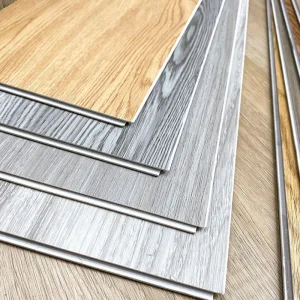
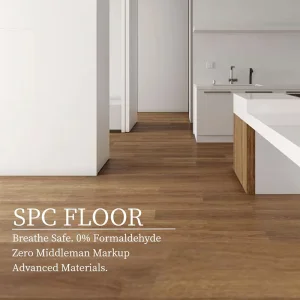
Beyond our primary 40 Outdoor WPC lines yielding 2 million m² annually, our complex operates 4 high-precision SPC flooring lines (3 million m²/yr), 12 dust-free UV coating lines (6 million m²/yr), 6 carbon fiber composite lines (1 million m²/yr), and dedicated PS wall panel extrusion suites backed by over 200 custom molds.
Vertical integration allows raw resin polymerization, wood micro-powder milling, bio-additive compounding, co-extrusion profile pressing, and inline surface texturing under unified ISO9001 governance, insulating client orders from global raw material volatility.
Maintaining strict conformity with European CE, North American ASTM, and international ISO14001 standards, our enterprise delivers just-in-time containerized shipments directly to major distribution centers across North America, Europe, Australia, and the Middle East.
The technical evolution of outdoor composites has advanced from mono-extruded wood-plastic formulations to 360° Co-Extrusion Shield Technology. Traditional first-generation WPC profiles exposed wood fibers directly to atmospheric elements, resulting in moisture absorption, surface fading, and mold spore colonization over prolonged exposure.
Linyi Rich New Materials' second-generation co-extrusion technology encapsulates a high-density, fiber-reinforced core inside an impermeable, modified polymer outer armor layer. This protective shell is chemically fused during high-pressure co-extrusion, rendering the profile impervious to liquid penetration, extreme UV radiation, scratch abrasion, and chemical staining.
| Performance Parameter | Traditional Timber (Redwood/Pine) | 1st Gen Mono-Extruded WPC | Rich New Materials 2nd Gen Co-Extruded WPC |
|---|---|---|---|
| Moisture Absorption (24h immersion) | 15.0% - 35.0% | 2.0% - 4.5% | < 0.2% (Impermeable Shell) |
| UV Resistance (QUV 3000h Test) | Severe discoloration & cracking | Moderate fading (ΔE > 5.0) | Ultra-stable (ΔE < 1.5) |
| Flexural Strength (ASTM D790) | 25 - 45 MPa (Variable) | 28 - 35 MPa | ≥ 40 MPa |
| Fungal Rot & Termite Vulnerability | High (Requires toxic chemical treatment) | Moderate | 100% Resistant (Zero Biological Decay) |
| Fire Reaction Rating (EN 13501-1) | Class F (Highly Flammable) | Class C / D | Class B1 - s1, d0 (Flame Retardant) |
| Maintenance Requirements | Annual sanding, staining & sealing | Periodic power washing | Maintenance-Free (Soap & Water Wipe) |
Integrating bio-based polyethylene derived from agricultural side-streams to achieve net-zero carbon neutrality across raw material sourcing.
Deploying specialized IR-reflective nanopigments in the co-extruded capstock to reduce surface heat retention by up to 12°C in desert climates.
Incorporating micro-encapsulated polymeric repair agents that automatically seal micro-scratches under direct sunlight exposure.
Environmental Stressors: Continuous salt spray aerosol, elevated relative humidity (>90%), severe UV exposure, sand particle abrasion.
Engineering Solution: Our high-density HDPE co-extruded decking and cladding feature non-porous fluorocarbon-modified shields. They actively repel sodium chloride crystallization, preventing surface flaking, delamination, and fastener corrosion.
Environmental Stressors: Extreme thermal shock (-40°C to +30°C), heavy snow loading, ice heave, moisture freeze expansion.
Engineering Solution: Formulated with specialized linear low-density flexibilizers, our outdoor profiles possess a exceptionally low coefficient of thermal expansion (<3.5 x 10^-5 /°C), eliminating brittle fracture and joint popping during rapid thaw cycles.
Environmental Stressors: Intense thermal radiation (>50°C ambient), extreme diurnal temperature spikes, UV index 11+.
Engineering Solution: Infused with hindered amine light stabilizers (HALS) and antioxidant complexes, our wall panels maintain color integrity and mechanical toughness without chalking or surface micro-cracking.
Environmental Stressors: High pedestrian foot traffic, heavy wind pressure, strict municipal fire safety codes, impact risks.
Engineering Solution: Solid structural profiles equipped with internal aluminum reinforcement ribs or hollow multi-chamber designs. Tested to achieve Class B1 fire resistance and high flexural load capacity.
Linyi Rich New Materials operates under full ISO9001 Quality Management and ISO14001 Environmental Management protocol systems. Our products undergo rigorous batch testing in independent third-party laboratories including Intertek, SGS, and TÜV Rheinland to ensure total global compliance.
Tested under EN 13501-1 standards achieving B1-s1, d0 flame retardancy, ensuring negligible smoke production and zero burning droplets in structural fire scenarios.
100% free from volatile organic compounds (VOCs), formaldehyde, heavy metals (lead, cadmium, mercury), and phthalate plasticizers, ensuring absolute indoor/outdoor air safety.
All wood fiber constituents are derived from sustainably managed timber plantations and recycled wood manufacturing byproducts, preserving virgin forests.
To assist international architects, commercial developers, and regional distributors, Linyi Rich New Materials offers comprehensive OEM and ODM support services. From custom die tooling creation to bespoke color matching (RAL & Pantone standard alignment), our engineering team provides end-to-end technical execution.
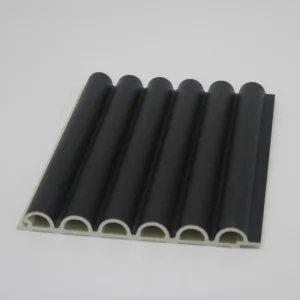
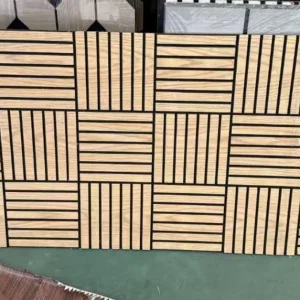
In-house CNC mold-making allows development of custom wall cladding geometry, acoustic slat spacing, structural interlocking clips, and unique decking groove patterns within 15 business days.
Options include 3D deep wood-grain embossing, online sanding, brushed matte finishing, co-extruded multi-color streaking, and metallic luster capstock coatings.
We supply full architectural CAD drawings, structural joist spacing calculations, expansion joint tolerance schematics, and video tutorials for local construction crews.
 Rich New Materials