Explore our precision-engineered exterior WPC products, co-extruded architectural panels, and high-durability composite materials optimized for Japan's rigorous climatic and structural demands.
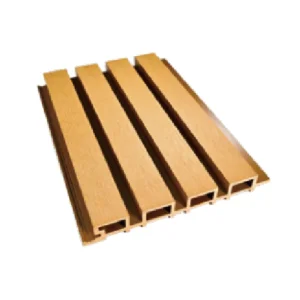
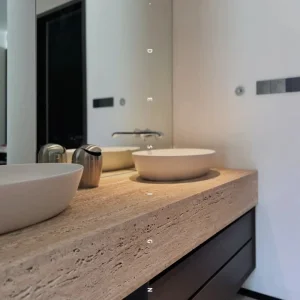
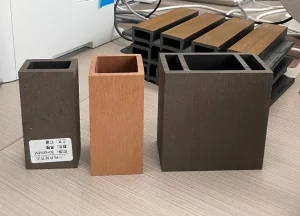
The Japanese construction and architectural cladding sector is experiencing a structural transition toward sustainable, low-maintenance, and weather-resilient building envelope materials. Driven by the national target of achieving Net-Zero Energy Buildings (ZEB) and Net-Zero Energy Houses (ZEH), general contractors (Zenecons) and architectural design offices in Tokyo, Osaka, and Fukuoka are rapidly substituting high-maintenance natural cedar (Sugi) and cypress (Hinoki) with advanced Wood-Plastic Composite (WPC) wall panels and decking systems.
Japan’s geographical conditions present extreme multi-hazard challenges to exterior architectural materials:
The prolonged rainy season (Tsuyu) and high summer humidity trigger rot, mold, and dimensional distortion in natural timber. Advanced HDPE co-extruded WPC eliminates moisture absorption completely.
Coastal developments in Okinawa, Yokohama, and Chiba require severe salt-fog corrosion resistance and structural shear endurance against category-4 typhoon pressure surges.
Compliance with Japanese Industrial Standards (JIS A 5741 for recycled wood-plastic composites) and stringent building standard law (BSL) flame-spread regulations is mandatory for commercial approval.
Linyi Rich New Materials Co., Ltd. is a modernized industrial enterprise combining high-tech R&D, automated extrusion manufacturing, and direct international trade. Headquartered in Linyi City, Shandong Province, our smart manufacturing hub covers 100,000 square meters and operates under ISO9001, ISO14001, and CE certifications to deliver superior building envelope systems across Japan and global markets.
In addition to our 40 customized outdoor WPC wall panel and decking lines, our manufacturing facility houses:
For Japanese developers evaluating life-cycle cost analysis (LCCA), our 2nd Generation 360-degree Co-Extrusion WPC wall cladding and hollow/solid decking outperform traditional Japanese softwood cladding and early 1st generation uncapped WPC products.
| Technical Performance Criteria | Traditional Sugi / Hinoki Wood | 1st Gen Uncapped WPC | Rich Green 2nd Gen Co-Extrusion WPC |
|---|---|---|---|
| Moisture Absorption Rate | High (25% - 45%) | Moderate (3% - 8%) | Ultra-Low (< 0.5%) |
| JIS A 5741 Durability Standard | Requires Annual Painting/Sealing | Prone to Surface Staining | Fully Compliant / Maintenance Free |
| UV Aging & Color Fading | Severe Fading & Graying within 12 mos | Noticeable Fading after 2 Years | ΔE < 2.0 after 3000 hr Xenon Arc Testing |
| Termite & Fungal Resistance | Vulnerable (Requires Chemical Treatment) | Moderate Resistance | 100% Termite & Insect Proof Matrix |
| Thermal Expansion Control | High Grain Distortion | 0.3% Coefficient | < 0.15% Engineered Linear Coefficient |
| Formaldehyde Emission Grade | Varies depending on sealant | E1 Grade | F☆☆☆☆ Equivalent (Near-Zero Offgassing) |
Our outdoor WPC products are specially engineered to adapt to the aesthetic sensitivity and spatial functionality demanded by Japanese architectural design:
In thermal spa towns like Hakone, Beppu, and Atami, natural wood rapid deteriorates due to continuous steam, high sulfur content, and humidity. Our co-extruded WPC decking and wall louvers offer high chemical resistance to thermal mineral moisture, preserving the warm authentic wood aesthetic without mold or decay.
High-rise retail facades in Ginza, Shibuya, and Umeda utilize our deep 3D wood-grain vertical wall panels. Featuring low flame-spread ratings and concealed clip installations, these systems streamline exterior installation while meeting strict city urban design guidelines.
Public boardwalks in waterfront ports like Yokohama Bay and Okinawa resorts require slip resistance even when wet. Our outdoor decking profiles achieve high slip-resistance test scores (R11 grade), providing safe foot traction for public parks and seaside walkways.
In dense residential areas across Nagoya and Fukuoka, space optimization and privacy protection are critical. Our modular WPC fence profiles and acoustic louver panels provide wind-resistant, privacy-enhancing garden screens that complement modern minimalist Japanese houses.
As an experienced supplier to major Japanese trading houses (Sogo Shosha) and building material importers, Linyi Rich New Materials provides tailored supply chain solutions:
Equipped with precision tooling shops, we engineer custom dies to meet Japanese architectural drawings, including interlocking facade panels, hidden-fastener decking boards, and hollow acoustic baffles.
Every production batch undergoes strict quality control tests: flexural modulus, impact resistance, boiling water immersion tests, and color consistency checks before packing.
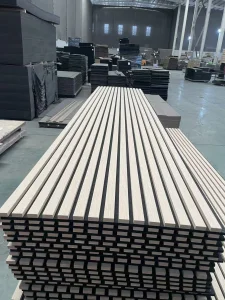
Optimized pallet packaging and direct container routes from Qingdao/Linyi ports to Tokyo, Yokohama, Nagoya, Kobe, Osaka, and Hakata ensure fast delivery times within 5-7 days.
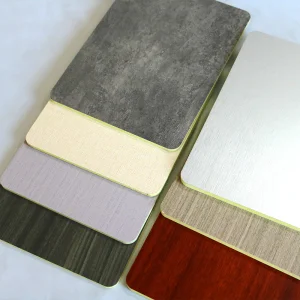
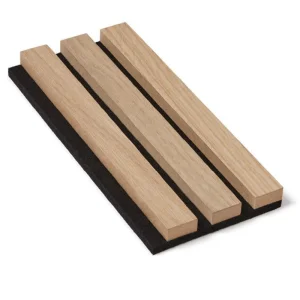
Browse our full range of eco-friendly interior and exterior building material solutions engineered for residential, commercial, and industrial spaces.
Find definitive answers regarding specifications, compliance, customization, and importing WPC decking and wall panels into Japan.
Partner directly with Linyi Rich New Materials Co., Ltd. for factory-direct wholesale pricing, custom profile engineering, and full JIS-compliant certified WPC solutions.
Send Inquiry Now Rich New Materials