Explore top-tier composite panel systems rigorously specified by US architects, general contractors, and commercial developers.
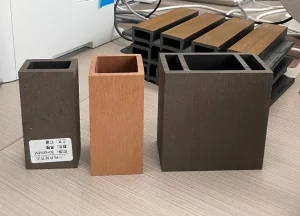
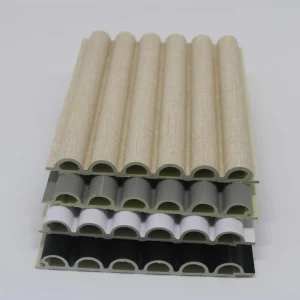
The demand for high-performance Wood-Plastic Composite (WPC) outdoor cladding, facade rain-screens, and commercial decking across the United States has experienced an unprecedented surge over the past decade. Driven by shifting architectural paradigms that prioritize low life-cycle maintenance, strict environmental compliance (LEED v4.1 credits), and superior resilience against extreme microclimates, composite lumber and WPC exterior cladding have evolved from optional upgrades to mandatory structural specifications.
In regions spanning from the sub-zero freeze-thaw cycles of the Midwest and Northeast to the hyper-saline coastal conditions of Florida and the extreme thermal expansion corridors of Arizona and Texas, traditional timber facades succumb rapidly to rot, warping, fungal decay, and thermal degradation. While native US manufacturers provide baseline composite options, commercial buyers, large-scale distributors, and master contractors increasingly face supply-chain bottlenecks, high domestic price inflation, and limited custom profile availability.
To bridge this gap, direct global partnerships with Industry 4.0 manufacturers such as LINYI RICH NEW MATERIALS CO., LTD. provide US enterprises with unparalleled engineering precision, ASTM-compliant structural integrity, and massive cost efficiency without compromising on aesthetic luxury or material durability.
Modern architectural specifications in North America reject early-generation uncapped composite materials due to issues like surface chalking, stain vulnerability, and high moisture absorption rates. The contemporary benchmark for US commercial applications relies on 360-Degree Co-Extrusion Shield Technology.
Outer shell engineered with advanced fluoropolymer and UV-stabilizer matrix, offering Delta E < 1 color fastness under rigorous Xenon-arc weatherometer testing.
Ultra-dense core combining 60% micro-milled hardwood fibers, 30% virgin High-Density Polyethylene (HDPE), and 10% thermal coupling additives, limiting water absorption to < 0.5%.
Formulated with non-halogenated mineral flame retardants meeting ASTM E84 surface burning characteristics for commercial exterior wall envelope assemblies.
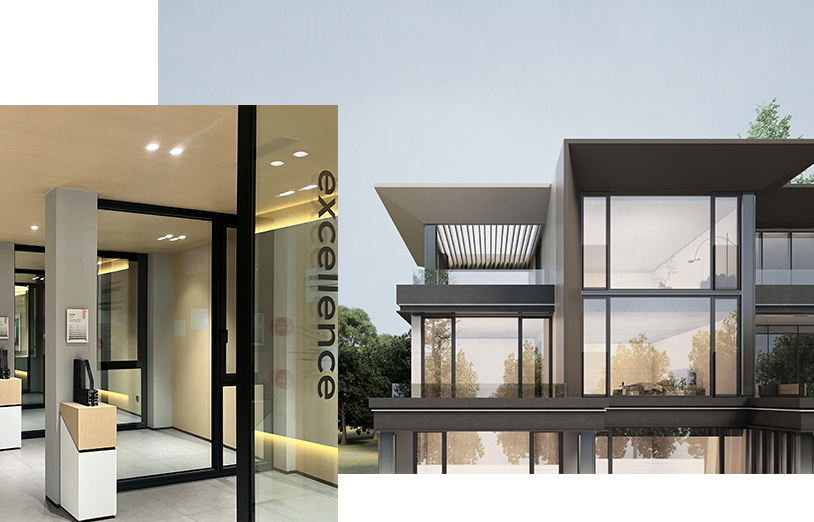
The structural efficacy of Outdoor WPC Wall Panels and Decking manufactured by Linyi Rich New Materials Co., Ltd. hinges on strict gravimetric control during extrusion. Below is the standardized performance evaluation metric matching North American testing benchmarks:
| Physical / Mechanical Property | Testing Standard (ASTM / ISO) | Linyi Rich WPC Standard Value | US Industry Benchmark Comparison |
|---|---|---|---|
| Flexural Modulus / Strength | ASTM D790 / ASTM D7032 | > 28.5 MPa | Exceeds ASTM minimum requirements by 32% |
| Water Absorption (24hr immersion) | ASTM D1037 | < 0.38% | Superior against real-wood rot threshold (15-20%) |
| Linear Thermal Expansion Coefficient | ASTM D696 | 2.9 x 10^-5 /°C | High stability, minimal gap movement in extreme seasons |
| Slip Resistance Rating (Decking) | ASTM C1028 / DIN 51130 | Wet: 0.68 / Dry: 0.82 (R11 Rating) | Ideal for commercial boardwalks and pool surrounds |
| Flame Spread Index (FSI) | ASTM E84 | Class B Standard / Class A Custom Option | Approved for high-density multi-family structures |
Linyi Rich New Materials Co., Ltd. is a professional modernized industrial and trading enterprise integrating research & development, automated precision manufacturing, and international supply chain distribution. Headquartered in Linyi City, Shandong Province, the company operates a state-of-the-art intelligent manufacturing hub covering over 100,000 square meters and employs more than 300 technical specialists.
With massive operational scale and strict adherence to the ISO9001 Quality Management System, the facility houses diversified specialized production lines tailored to high-end global markets, particularly North America and Europe:
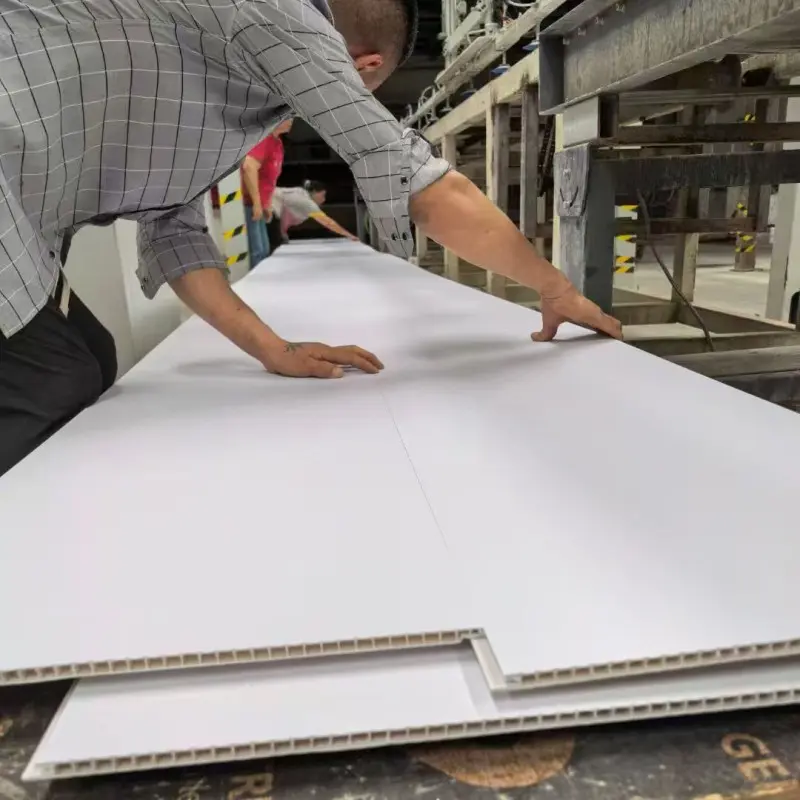
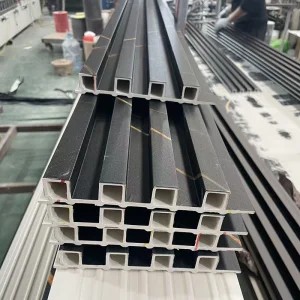
40 Dedicated Extrusion Lines delivering 2 million square meters annually. Specifically engineered for extreme weather resilience, anti-corrosion, and structural cladding.
120 Fully Automated Lines producing 12 million square meters per year. Combines wood aesthetics with high architectural versatility for shading and screening.
4 High-Precision Lines generating 3 million square meters annually. Features 100% waterproof stone-plastic composite cores for high-traffic environments.
12 Customized Lines backed by dust-free cleanroom UV coating workshops, yielding approximately 6 million square meters annually.
6 Automated Production Lines with proprietary CNC engraving machines, capable of custom grooving and 3D architectural shaping.
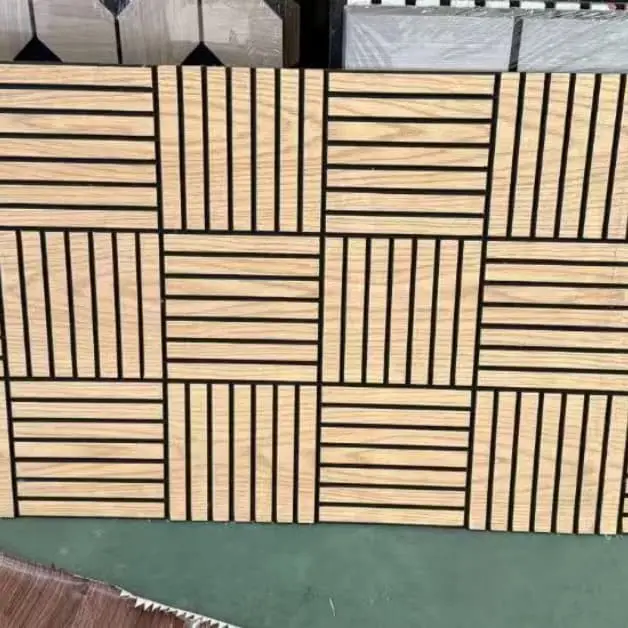
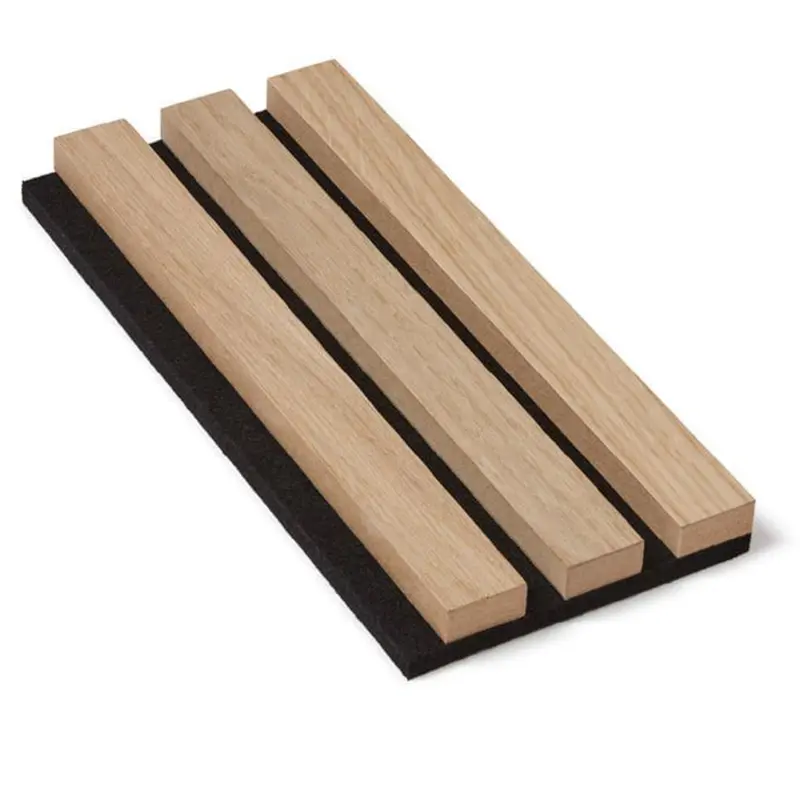
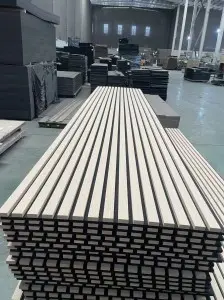
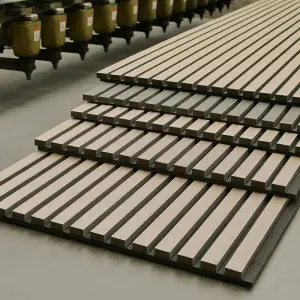
Full in-house tooling featuring over 200 custom extrusion molds for specialized acoustic slatted wood and PS decorative paneling.
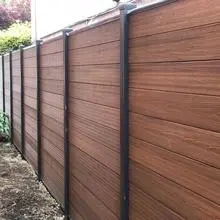
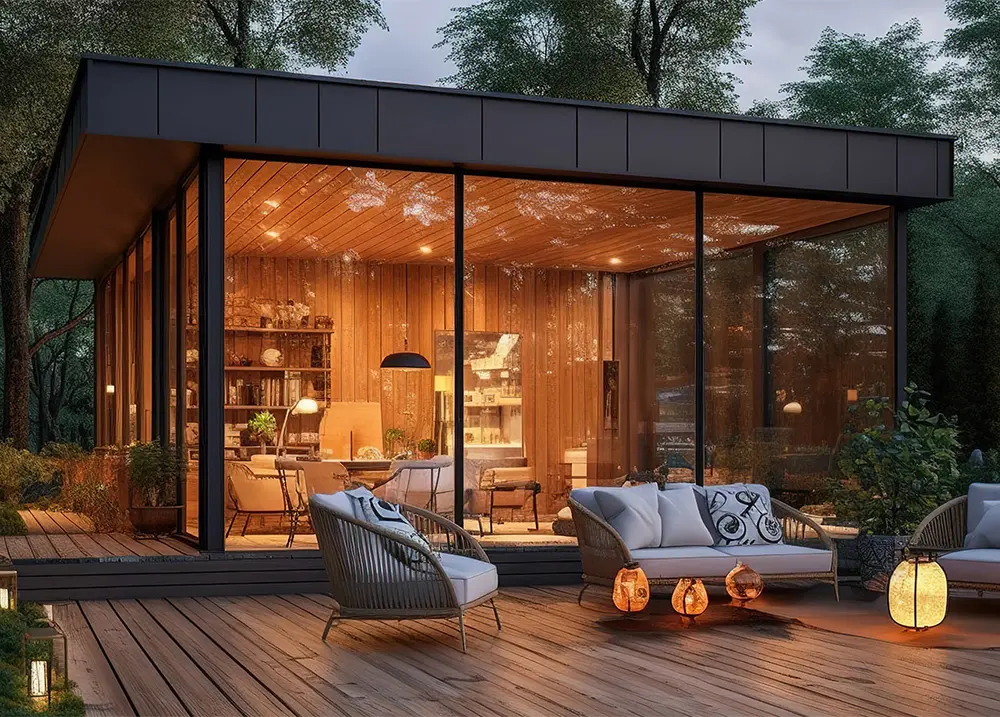
Exterior facade systems in North America must fulfill rigorous structural, aesthetic, and energetic requirements. Modern WPC wall paneling acts as a high-efficiency rain-screen system, significantly improving building insulation values (R-Value contribution) while preventing moisture entrapment within the wall cavity.
Engineered for multi-family residential complexes, office buildings, and retail plazas across the US. Mounted on aluminum or stainless-steel sub-framing, our co-extruded panels permit continuous air circulation, mitigating vapor pressure build-up and lowering internal HVAC cooling loads during hot summer months.
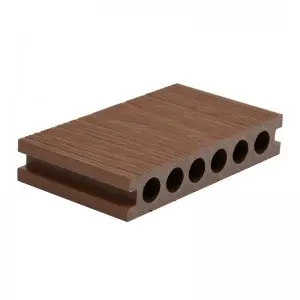
Utilizing high-density hollow and solid co-extruded decking boards, our products withstand heavy pedestrian foot traffic, commercial furniture loads, and direct exposure to salt spray in coastal regions such as California, Florida, and the Eastern Seaboard. They eliminate splintering, require zero sanding or re-staining, and resist harsh ice-melt chemicals.
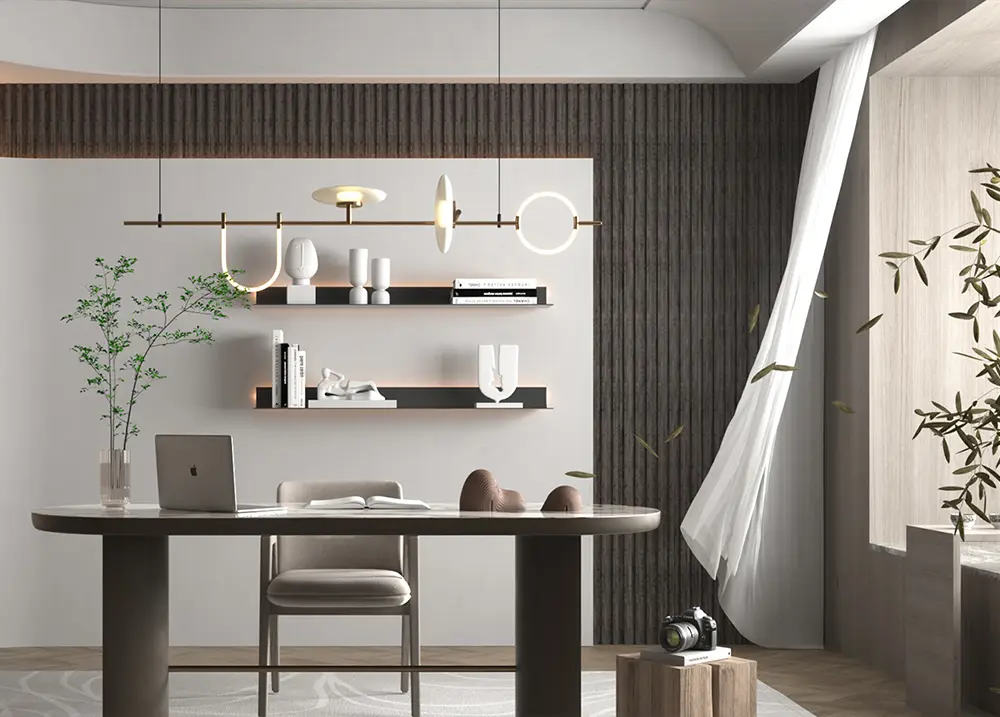
Combining structural integrity with timber-grain aesthetics, WPC louver profiles provide sun-shading, architectural accents, and acoustic privacy screening for urban developments, hospitality roofs, and suburban residential communities.
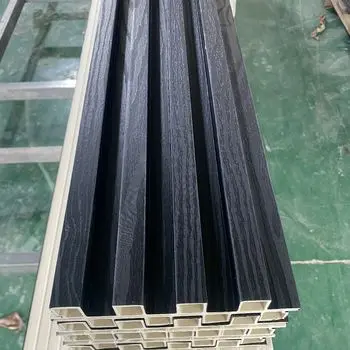
Explore our integrated product categories engineered to unified international quality and environmental standards.
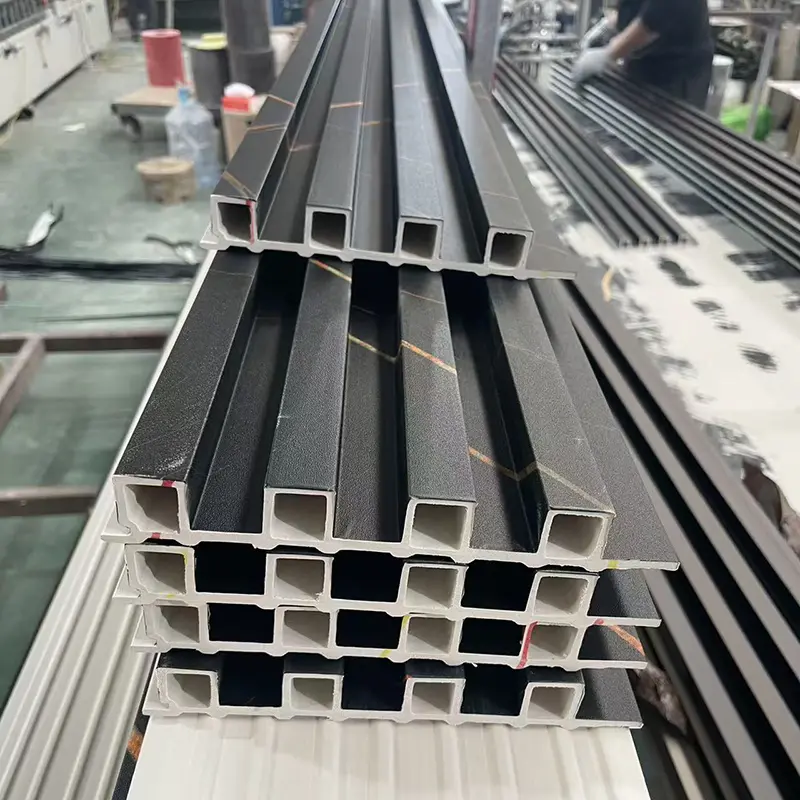
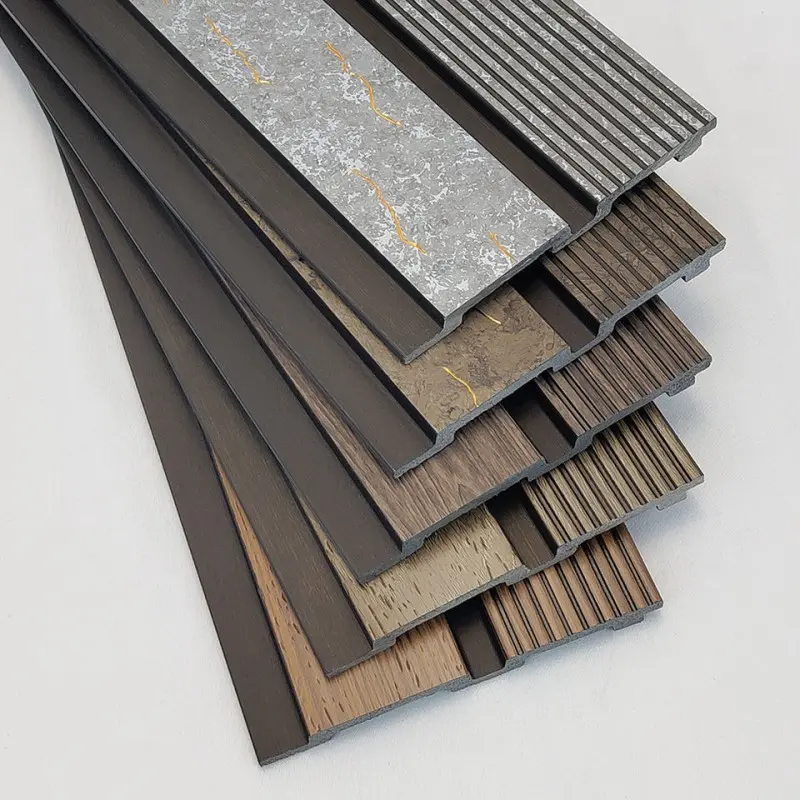
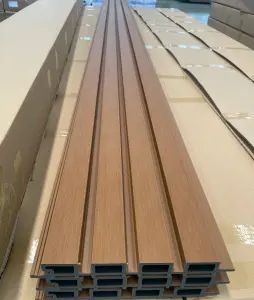
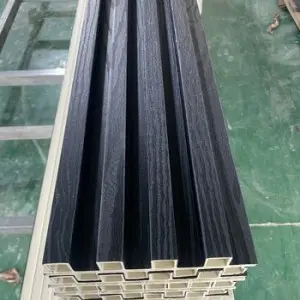
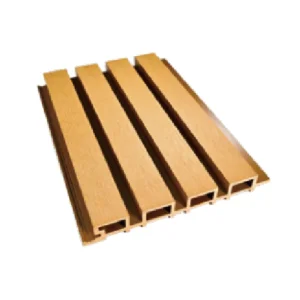
Co-extruded weather-resistant siding for commercial facades.
Explore Series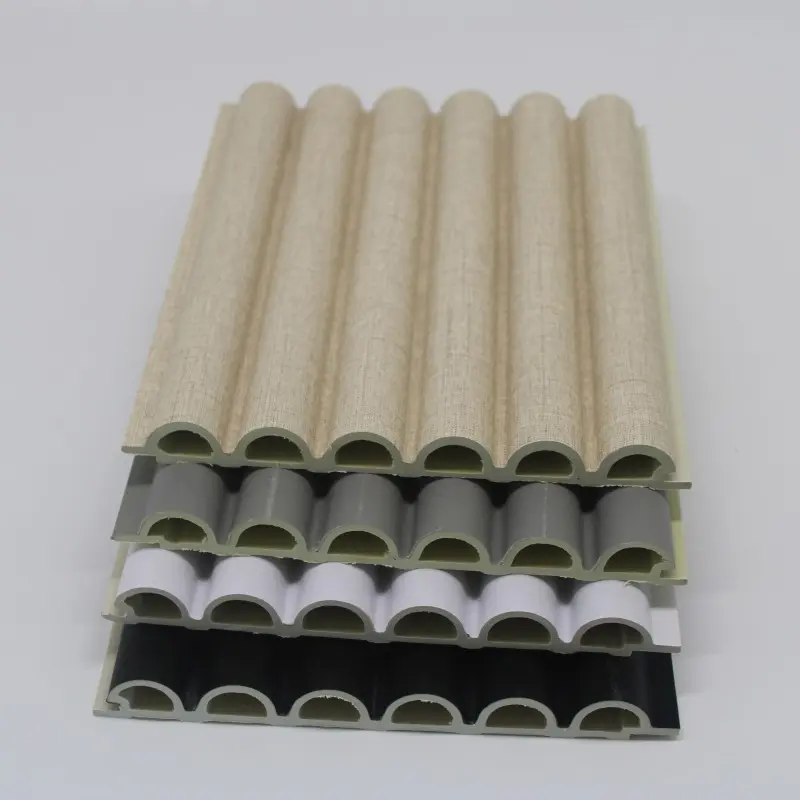
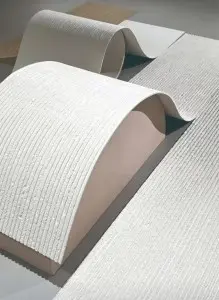
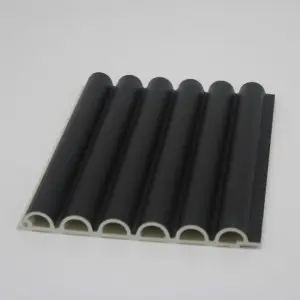
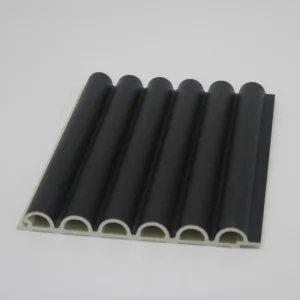
Contemporary semicircular & ribbed exterior/interior accents.
Explore Series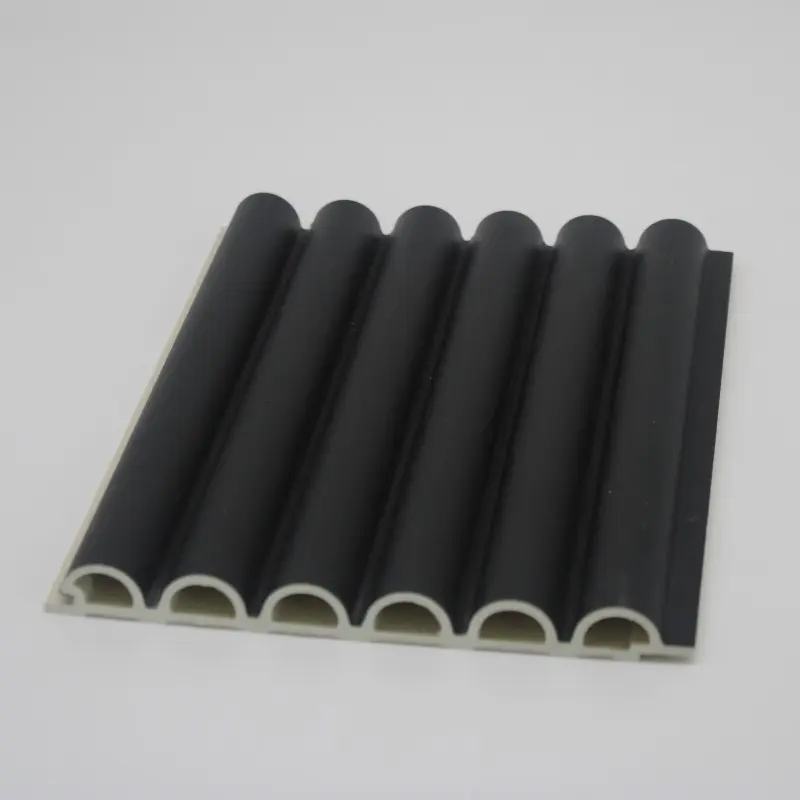
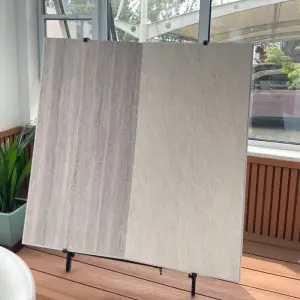
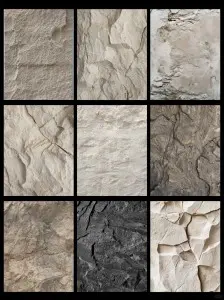
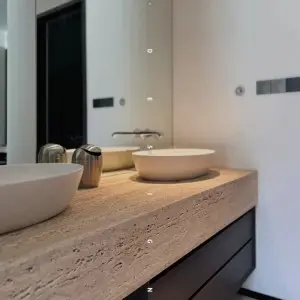
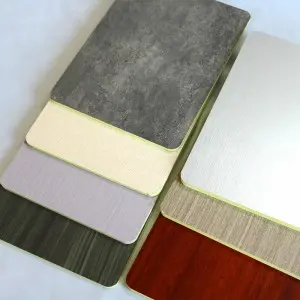
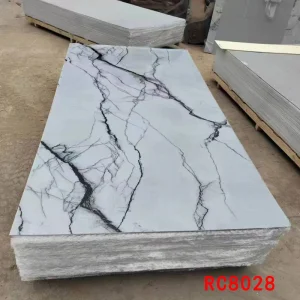
High-definition stone textures with mirror-like UV protection.
Explore Series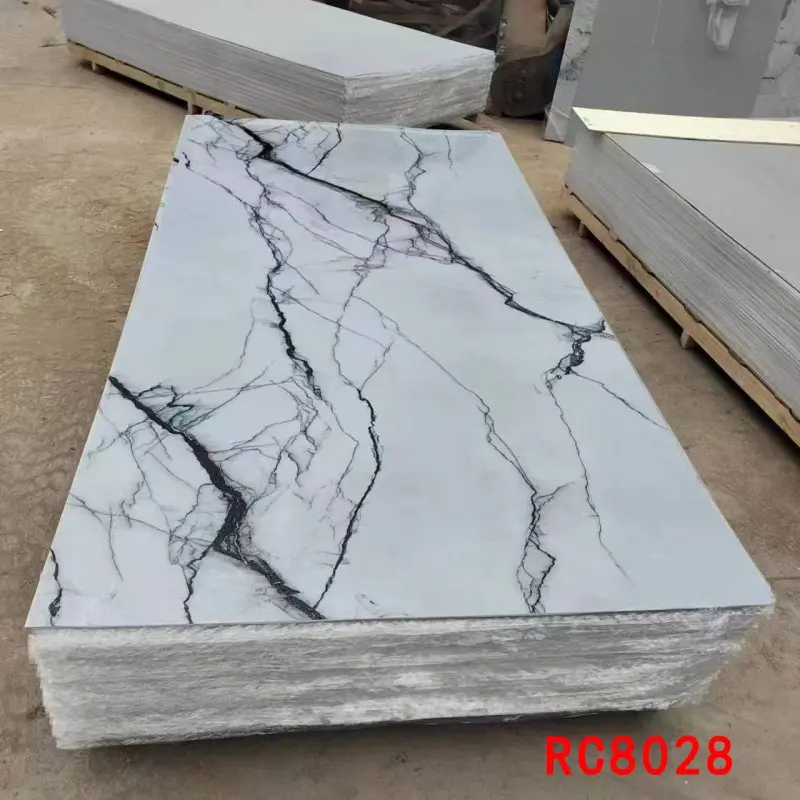
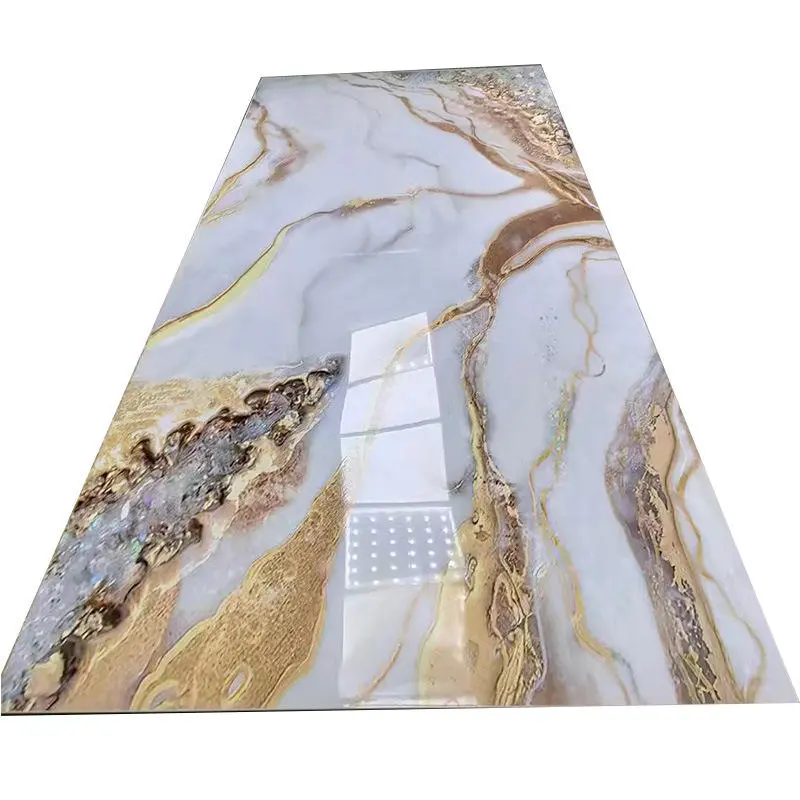
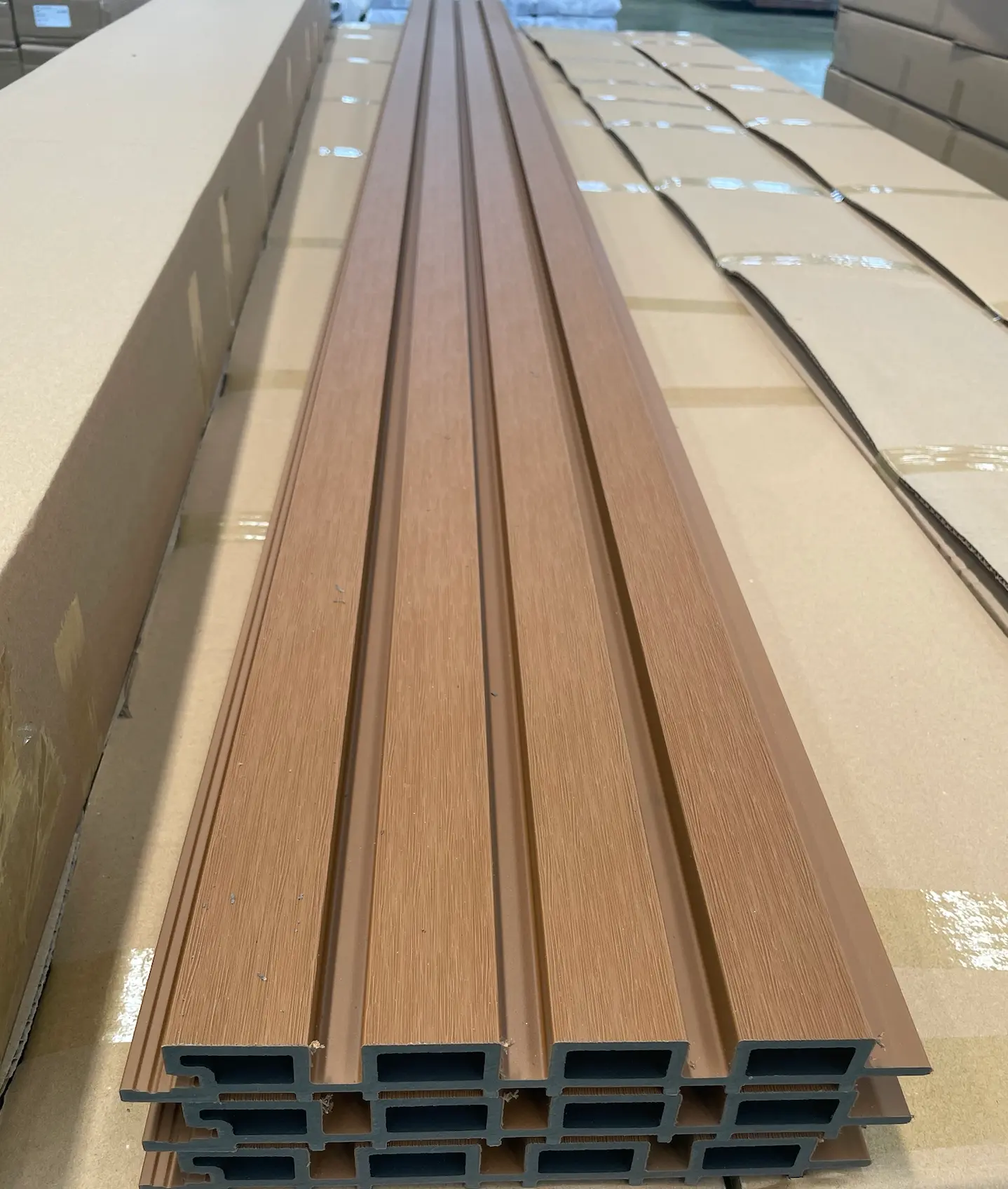
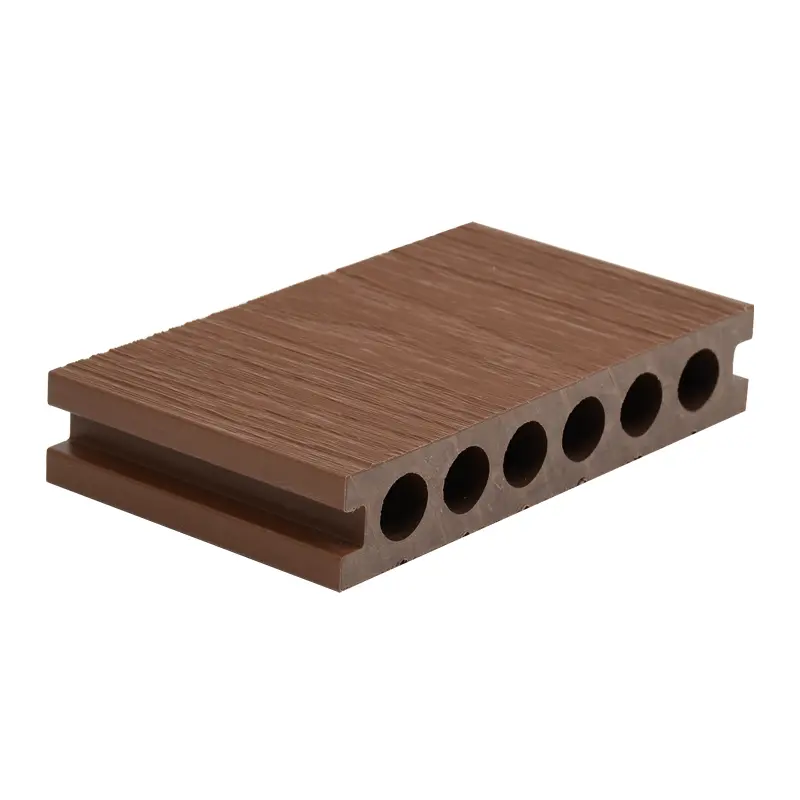
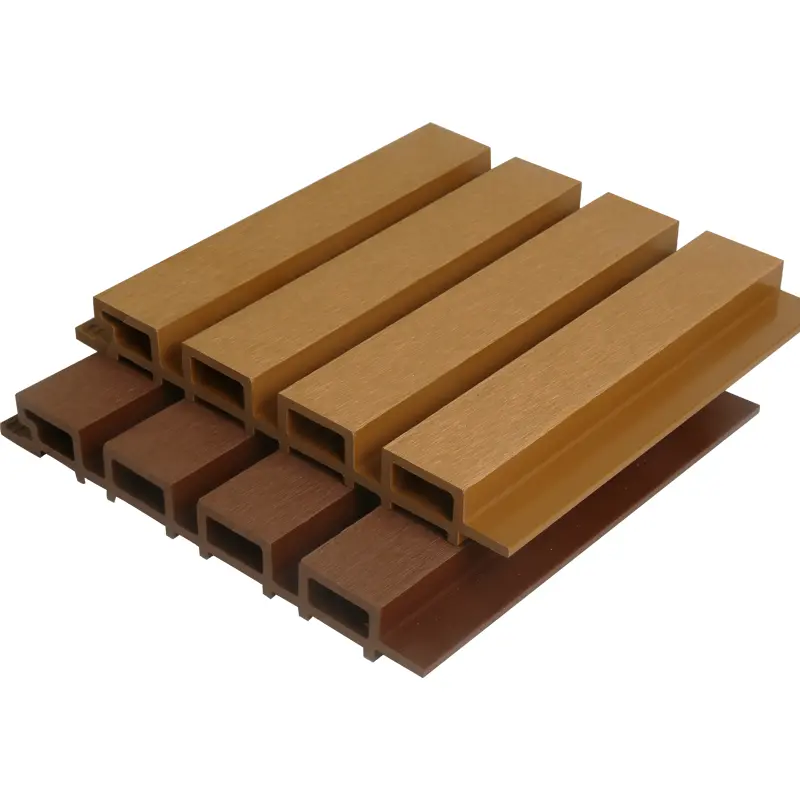
When specifying materials for commercial developments in the United States, project engineers must evaluate total life-cycle costs (LCC) rather than initial material acquisition price alone. Traditional pressure-treated pine or cedar demands annual scraping, staining, sealing, and insect treatment, resulting in escalating maintenance budgets over a 15-year operational window.
| Evaluation Parameter | Co-Extruded WPC (Linyi Rich) | Pressure-Treated Wood | Pure PVC Siding | Fiber Cement Board |
|---|---|---|---|---|
| 15-Year Total Cost of Ownership | Lowest (Zero Maintenance) | High (Continuous Staining) | Moderate | High (Repainting Required) |
| UV & Fade Resistance | Exceptional (Capped Shield) | Poor (Greys rapidly) | Moderate (Prone to yellowing) | Requires UV Paint System |
| Impact & Crack Resistance | High Structural Flexibility | Splits along wood grain | Brittle in Low Temps (<0°C) | Prone to shipping fracture |
| Moisture Rot & Mold Resistance | 100% Resistant (<0.5% Absorption) | High Rot Susceptibility | 100% Resistant | Susceptible if unsealed |
| Eco-Friendly / Sustainability | 60% Recycled Fibers + HDPE | Deforestation / Chemical Treatment | Petrochemical Base | High Energy Carbon Footprint |
Procuring directly from Linyi Rich New Materials Co., Ltd. streamlines the supply chain for US building material distributors, direct-to-site contractors, and regional wholesalers. By eliminating intermediary brokerage markups, clients unlock manufacturing-direct pricing alongside custom OEM engineering capabilities.
Our in-house mold facility allows US partners to request proprietary panel dimensions, unique fluted geometry, and custom wood-grain embossing tailored to local architectural trends.
Automated palletization ensuring maximum volumetric efficiency per 40ft High Cube container, reducing per-unit ocean freight overhead to major US ports (Long Beach, Houston, Savannah, New York).
Every shipment undergoes multi-point quality control including dimensional tolerance checks, color matching under D65 standard light, and flexural load testing before container sealing.
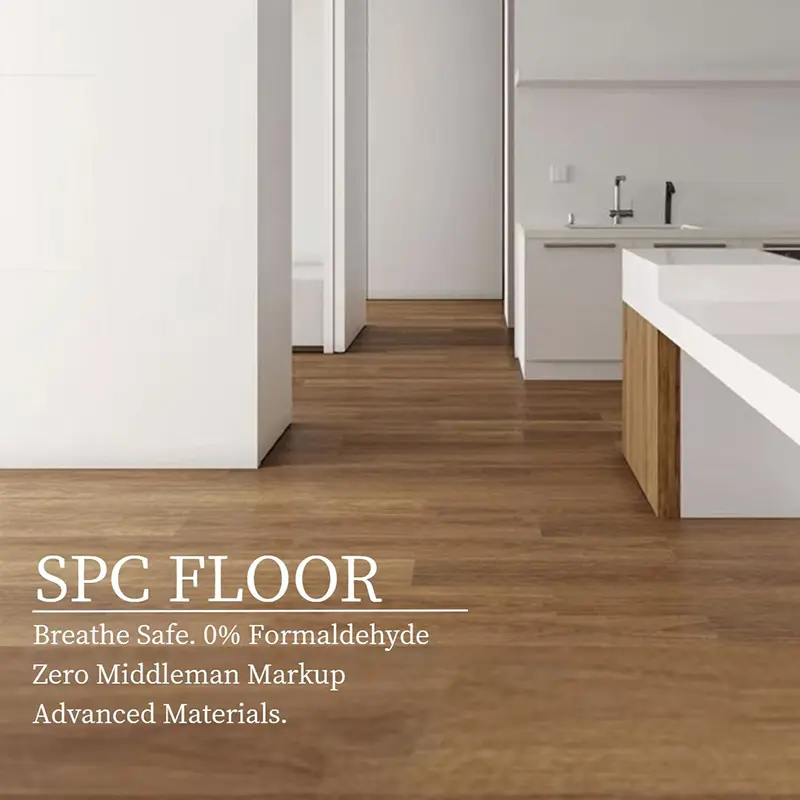
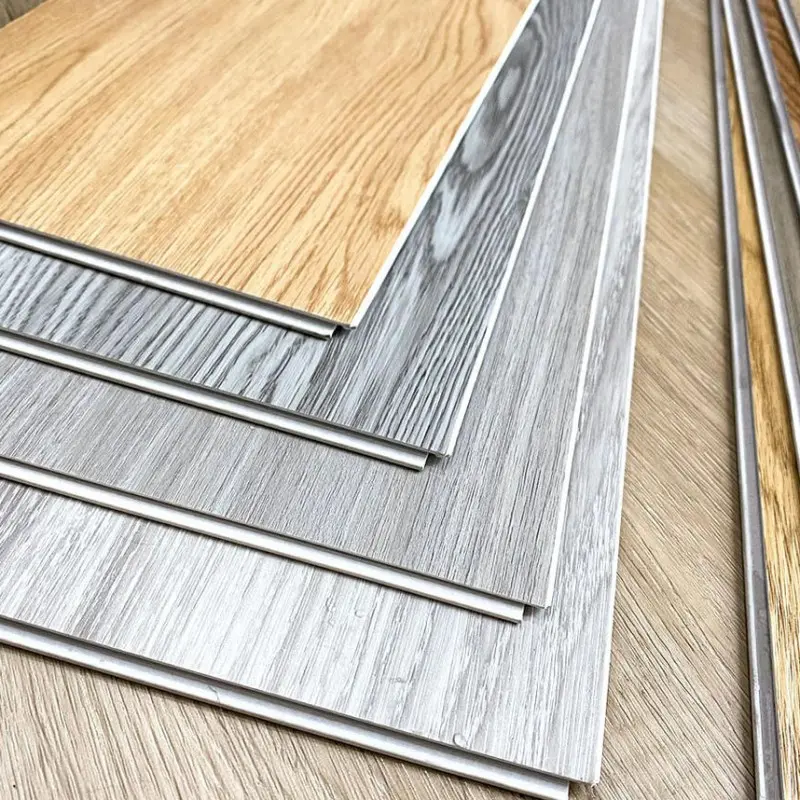
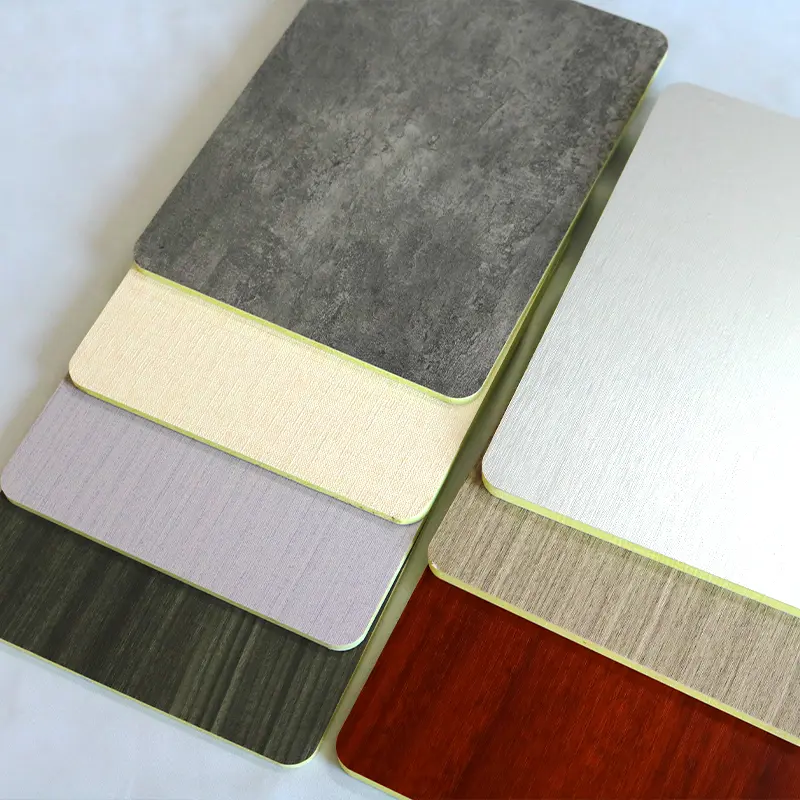
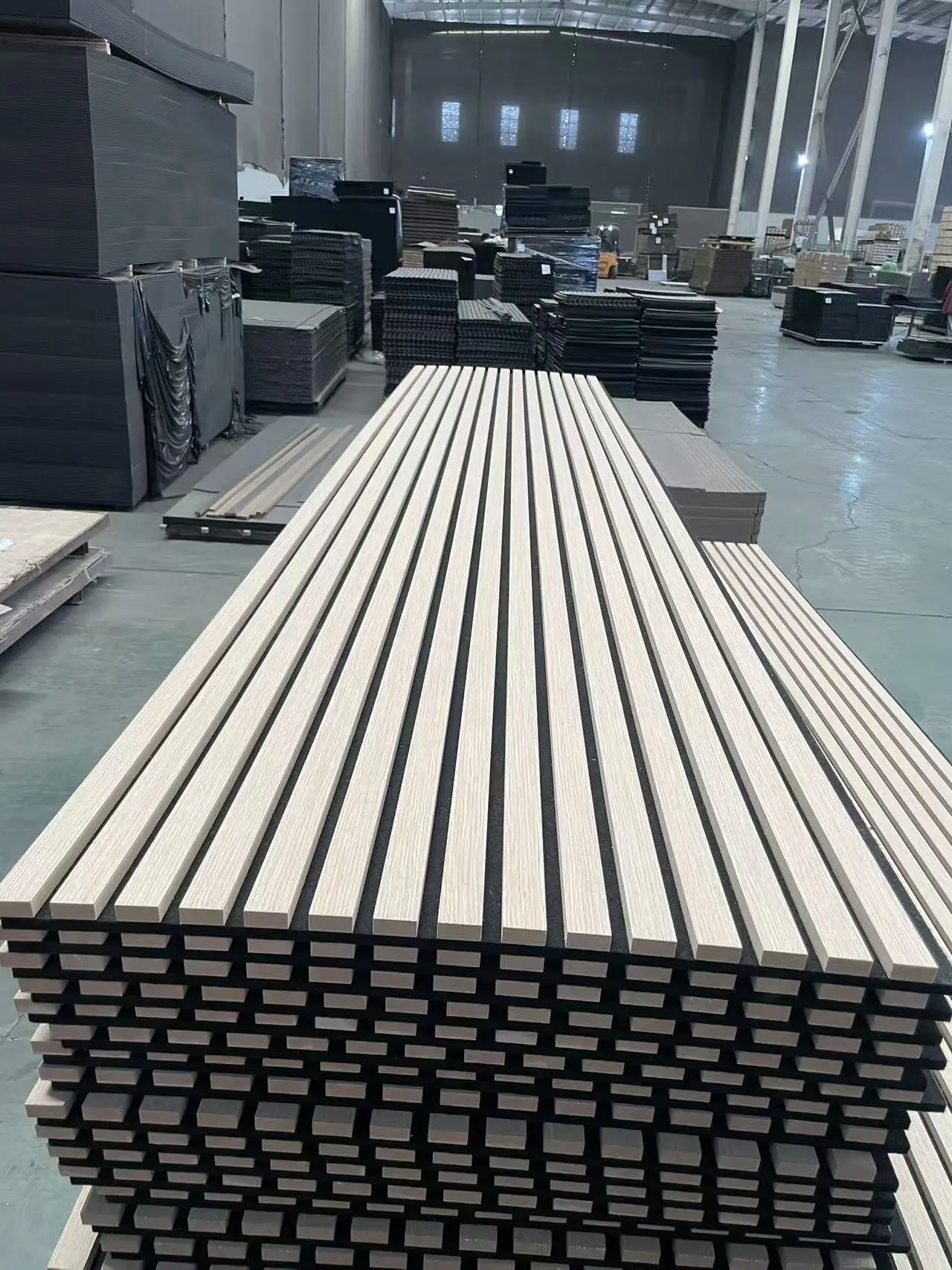
Clear, definitive engineering answers regarding installation, compliance, logistics, and material longevity.
Our co-extruded composite panels possess a dense micro-structure with water absorption rates below 0.5%. Because moisture cannot penetrate the core matrix, ice expansion is prevented, ensuring zero cracking, delamination, or micro-fracturing in sub-zero climates like Minnesota or Chicago.
For standard commercial and residential wall panel installation in North America, we recommend a maximum batten spacing of 16 inches (406 mm) on center. For heavy-duty commercial decking applications, joist spacing should be maintained at 12 inches to 16 inches on center depending on expected dynamic load requirements.
Yes. Our outdoor composite wall panels and decking undergo testing evaluated against key ASTM standards, including ASTM D7032 (flexural strength & performance), ASTM E84 (surface burning/flame spread), and ASTM D696 (coefficient of thermal expansion).
Standard manufacturing lead time for standard FCL orders is approximately 14 to 21 days. Ocean transit times typically range from 14-18 days to US West Coast ports (Long Beach, Oakland) and 28-35 days to East Coast ports (Savannah, Charleston, Newark).
Explore our extended line of indoor and outdoor composite building solutions.
 Rich New Materials