Direct OEM/ODM Industrial Supply for International Commercial Contractors and High-End Architectural Projects
A modernized industrial enterprise integrating R&D, high-precision manufacturing, and global commercial trade for next-generation eco-friendly architectural materials.
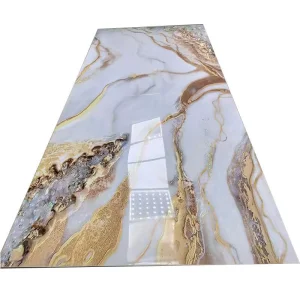
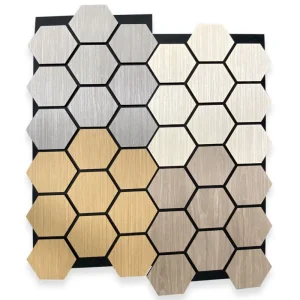
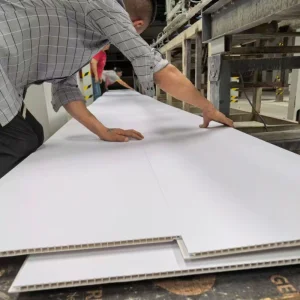
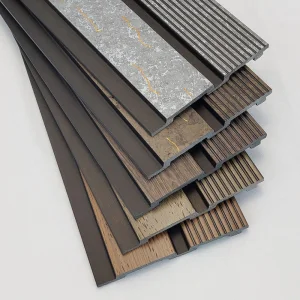
Headquartered in Linyi City, Shandong Province, Linyi Rich New Materials Co., Ltd. operates a state-of-the-art intelligent manufacturing complex covering over 100,000 square meters. Powered by a dedicated workforce of over 300 senior technicians and polymer engineers, we specialize in high-performance Wood-Plastic Composite (WPC) exterior wall cladding, co-extrusion facade systems, SPC flooring, UV decorative sheets, and acoustic engineering panels.
Analyzing procurement trends, environmental standards, and structural lifecycle economics in modern building facades.
The global commercial and residential architectural landscape is undergoing a systemic transition from energy-intensive, maintenance-heavy building exterior materials—such as raw timber, natural stone, and fiber cement—toward engineered bio-composite solutions. Wood-Plastic Composite (WPC) exterior wall systems represent the apex of this evolution. Driven by stringent global ESG (Environmental, Social, and Governance) requirements, Net-Zero carbon mandates, and green building certification frameworks like LEED v4 and BREEAM, architects and structural procurement directors are prioritizing low-carbon footprint cladding materials that guarantee long-term durability.
Traditional timber cladding, while aesthetically pleasing, suffers from severe organic vulnerabilities including moisture absorption, fungal decay, UV-induced cellulose degradation, and high linear warping coefficients. Conversely, traditional aluminum cladding lacks natural thermal insulation properties, leading to thermal bridging and increased HVAC operational loads. China WPC exterior wall solutions from tier-one manufacturers like Linyi Rich New Materials Co., Ltd. reconcile these historical trade-offs by fusing natural lignocellulosic fibers with recycled thermoplastic polymers inside a co-extruded shield, creating a weather-resistant, zero-maintenance architectural envelope.
Information Gain Insights: Second-generation 360-degree co-extrusion WPC exterior panels demonstrate an overall Lifecycle Cost Reduction of 64% over a 25-year operational period compared to treated Western Red Cedar, primarily attributed to zero painting, staining, or anti-rot chemical treatment requirements.
The engineering efficacy of WPC exterior wall panels hinges directly upon formulation integrity and extrusion physics. At Linyi Rich New Materials, our outdoor WPC production lines utilize a high-density matrix comprising ~60% refined wood flour (mesh size 80–100 for maximum interfacial bonding), ~30% high-density polyethylene (HDPE), and ~10% specialized functional additives.
| Additive & Component Class | Chemical / Physical Mechanism | Performance Impact on Exterior Wall Panel |
|---|---|---|
| 360-Degree Fluoropolymer Shield | Co-extruded continuous outer capping layer | 100% water impermeability, scratch resistance, stain blocking |
| HALS (Hindered Amine Light Stabilizers) | Free-radical scavenging under UV radiation | Prevents photo-oxidative degradation & color fading (Delta E < 2 over 10 yrs) |
| Coupling Agents (Maleic Anhydride PE) | Interfacial cross-linking between hydrophilic wood & hydrophobic PE | Increases flexural modulus, tensile strength, and impact resistance |
| Non-Toxic Flame Retardant Complex | Endothermic heat absorption and char formation | Achieves EN 13501-1 Class B-s1,d0 fire safety classification |
Deep-dive into industrial production capacity, specialized product lines, and continuous quality assurance protocols.
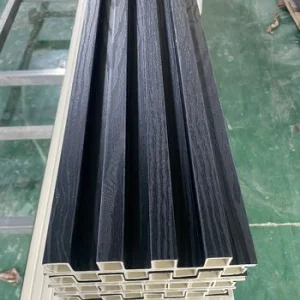
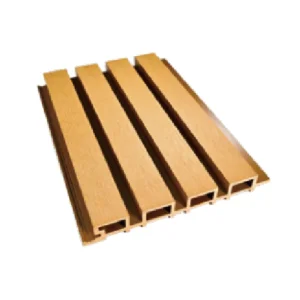
Operates 40 customized production lines generating ~2,000,000 m² annually. Engineered for extreme thermal swings (-40°C to +60°C), UV radiation, and heavy coastal moisture exposure.
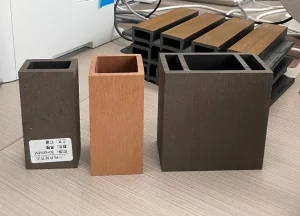
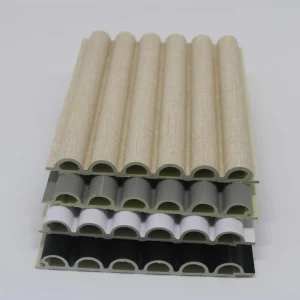
Powered by 120 fully automated extrusion lines with an annual yield of 12,000,000 m². Provides high-precision structural timber-like louvers for modern architectural shading.
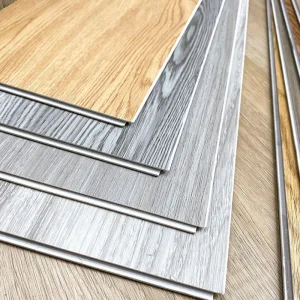
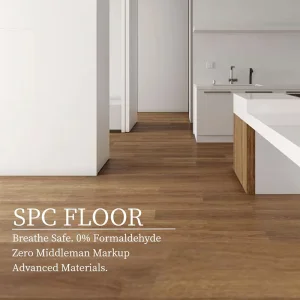
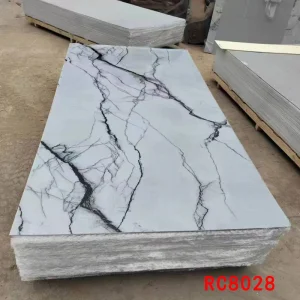
Features 4 high-speed lines with 3,000,000 m² annual capacity. Stone Plastic Composite core technology guarantees 100% water resistance, dimensional stability, and zero formaldehyde emissions.
12 UV lines (6M m²/yr) supported by dust-free cleanrooms, alongside 6 Carbon Fiber lines (1M m²/yr) equipped with automated proprietary engraving for bespoke commercial interiors.
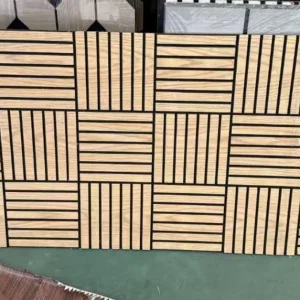
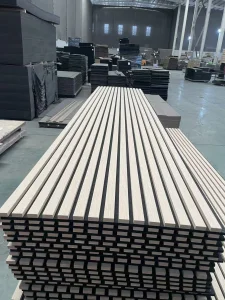
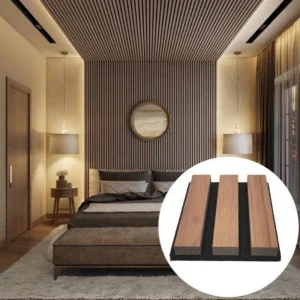
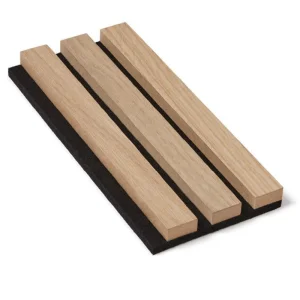
In-house precision CNC engraving equipment for soundproofing wood slats, alongside 6 PS lines backed by over 200 custom molds to satisfy refined interior design specifications.
Technical guidance for architects, MEP engineers, and site installation contractors.
For maximum operational lifespan, WPC exterior wall panels must be installed as part of a ventilated rain-screen facade system. This engineering configuration establishes a continuous vertical air cavity (minimum 20mm to 40mm clearance) between the WPC wall panel and the primary structural wall (concrete, lightweight steel, or masonry). The air gap facilitates thermal dissipation, reduces solar thermal bridging into the building interior, and allows wind-driven moisture condensate to drain naturally.
Polymer composites exhibit linear expansion dependent on ambient temperature fluctuations. Structural sub-frames (aluminum extrusions or galvanized steel channels) must be anchored using structural expansion bolts. The spacing between support joists should strictly adhere to wind-load dynamics:
Formula for Butt-Joint Gap Calculation:
ΔL = α × L × ΔT
Where α (Coefficient of Linear Thermal Expansion) for our co-extruded WPC is approximately 3.5 × 10⁻⁵ /°C. For a 3-meter profile experiencing a 40°C seasonal temperature differential, a minimum expansion clearance of 4.2mm must be provided at all butt joints and vertical stop trims.
Evaluating commercial ROI, shipping logistics, containerization, and international compliance guarantees.
When enterprise buyers procure exterior building envelope solutions, initial material cost per square meter represents only a fraction of total expenditure. A comprehensive Total Cost of Ownership (TCO) calculation incorporates freight optimization, installation labor efficiency, routine maintenance expenditures, and lifespan durability.
| Cladding Material Type | Initial Purchase Cost (sqm) | Maintenance Cost (20 Yrs) | Lifespan Expectancy | 20-Year Cumulative Financial TCO |
|---|---|---|---|---|
| Natural Hardwood Timber | High ($45 - $80) | Extremely High ($60+ staining/sanding) | 8 - 12 Years | High Risk ($105 - $140+/sqm) |
| Fiber Cement Board | Moderate ($25 - $40) | Moderate ($25 repainting) | 15 - 20 Years | Moderate ($50 - $65/sqm) |
| Linyi Rich Co-Extruded WPC | Competitive OEM Factory Direct | Negligible (< $5 water wash) | 25 - 30+ Years | Lowest Cumulative TCO ($ Optimized) |
Linyi Rich New Materials maintains robust international compliance frameworks, including ISO9001 Quality Management System Certification, CE Marking for European Union construction safety standards, ASTM D7031 performance verification for wood-plastic composites, as well as full REACH & RoHS environmental safety compliance. Exporting to over 100 countries across North America, Europe, the Middle East, and Southeast Asia, our logistics division offers tailored container loading schemes (40ft HQ utilization up to 98% efficiency), reducing per-unit shipping overheads for global distributors.
In-depth responses to critical engineering, manufacturing, and procurement inquiries.
Explore our complete architectural building product catalog for interior and exterior applications.
 Rich New Materials