Explore our flagship 200mm modular profiles, co-extruded architectural panels, and acoustic cladding solutions direct from our Shandong manufacturing facilities.
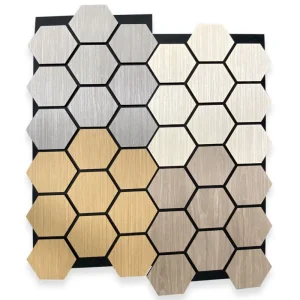
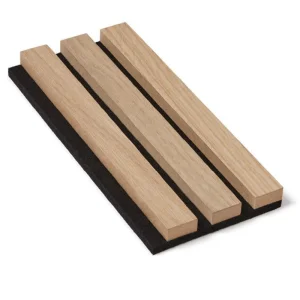
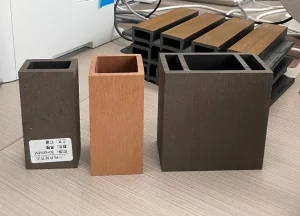
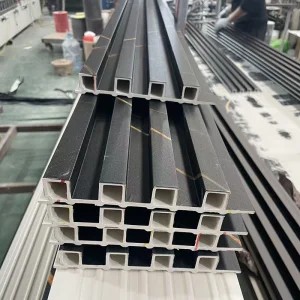
The global interior architecture and exterior building cladding markets are undergoing a fundamental paradigm shift away from traditional timber, high-maintenance fiber cement, and moisture-vulnerable MDF paneling toward high-density Wood-Plastic Composites (WPC). Driven by stringent international green building codes—such as LEED v4.1, BREEAM certification, and the EU Green Deal's circular economy directives—the procurement demand for engineered composite wall claddings has escalated exponentially across commercial, hospitality, and high-density residential sectors.
Among the various dimensional form factors available in the market, the 200 mm width WPC panel has emerged as the definitive global standard for architectural specification. This exact dimension strikes an optimal balance between structural rigidity, aesthetic rhythm, and rapid installation velocity.
The 200 mm module creates a visual cadence that works harmoniously across both small residential feature walls and large-scale commercial grand lobbies. It minimizes vertical seam density compared to narrower 100mm-150mm slats, producing a cleaner, more expansive architectural plane.
Mechanically, a 200 mm profile optimized with micro-internal cavity ribs reduces internal linear expansion stresses caused by thermal cycling ($ΔT = 40^\circ\text{C}$). This width allows for engineered tongue-and-groove tolerance without risking seam buckling or gap displacement over time.
For B2B general contractors and commercial installers, utilizing 200 mm wide panels reduces total panel placement count per square meter by 33% to 50% compared to 100mm profiles. This translates directly to reduced labor hours and accelerated project handover times.
Linyi City in Shandong Province, China, stands as the world's dense cluster for wood-plastic composite research, extrusion tooling innovation, and raw material synthesis. Sourcing 200 mm WPC panels directly from tier-1 Linyi manufacturers guarantees economies of scale, rigorous batch consistency, and direct access to state-of-the-art co-extrusion technology.
Linyi Rich New Materials Co., Ltd. is a modernized industrial enterprise integrating R&D, precision extrusion engineering, and global export distribution. Headquartered in the manufacturing heartland of Linyi City, Shandong Province, the facility encompasses a fully automated 100,000 square meter smart production base staffed by over 300 highly skilled technicians and material science engineers.
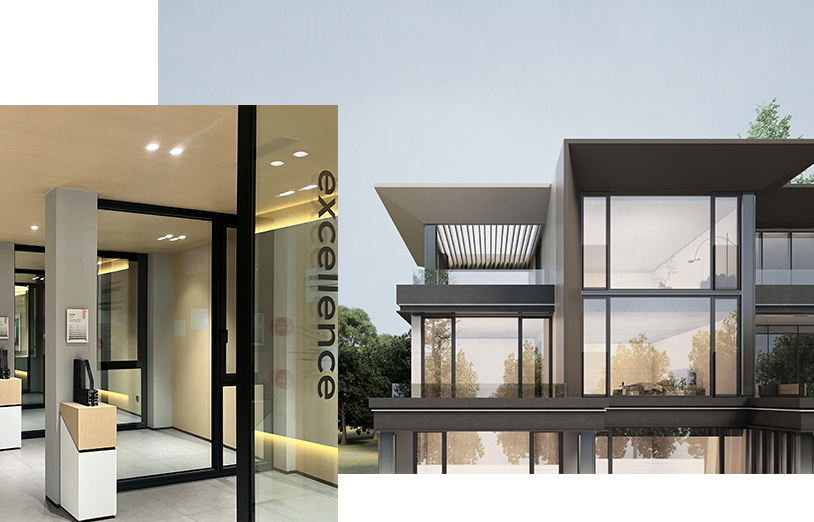
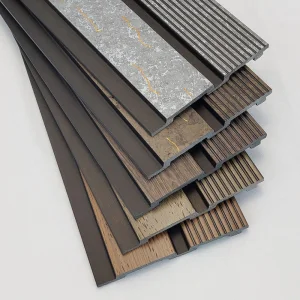
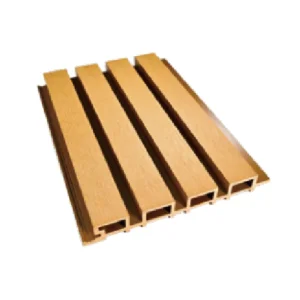
Operates 120 fully automated WPC grating lines producing up to 12 million square meters annually. Combines natural timber aesthetics with high-grade thermoplastics for interior and exterior architectural cladding.
Equipped with 40 specialized heavy-duty extrusion lines yielding 2 million square meters per year. Tailored with 360-degree co-extrusion protective shells designed for extreme UV, freeze-thaw, and marine conditions.
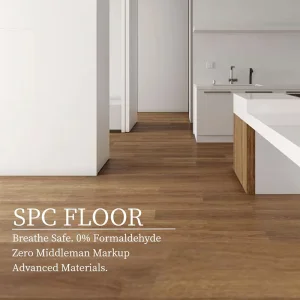
Houses 4 high-precision German-engineered calendering lines delivering 3 million square meters annually. Features zero-formaldehyde stone plastic composite cores with click-lock profiles.
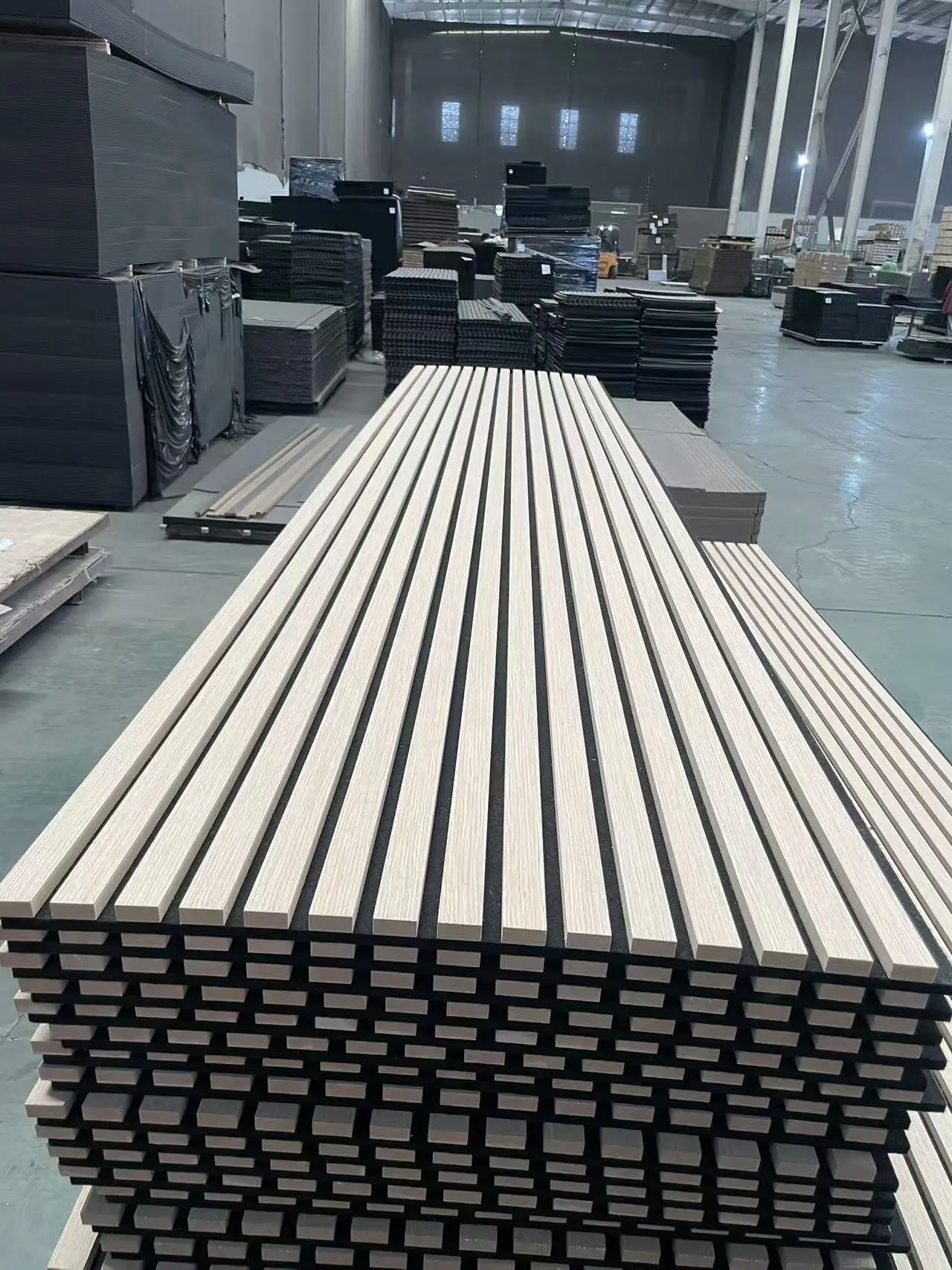
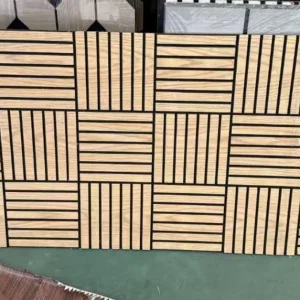
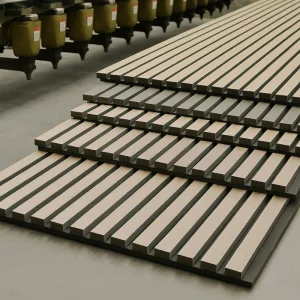
Supports 12 dust-free UV coating lines (6M sqm/yr capacity), 6 Carbon Fiber composite panel lines (1M sqm/yr capacity), 6 PS panel molding lines (200+ custom molds), and dedicated CNC acoustic slat grooving centers.
The performance of a 200 mm WPC panel is determined by its micro-composite chemistry and profile extrusion design. Linyi Rich New Materials utilizes high-density polyethylene (HDPE) or virgin polyvinyl chloride (PVC) matrix formulations blended with refined bamboo/hardwood fiber powders (60-80 mesh) and functional chemical additives.
| Performance Parameter | 200 mm WPC Panel (Interior Grade) | 200 mm Co-Extruded WPC (Exterior) | Natural Timber (Teak/Cedar) | Standard MDF / Fiberboard |
|---|---|---|---|---|
| Base Composition | 60% Wood Powder + 30% PVC + 10% Additives | 55% Wood Fiber + 35% HDPE + 10% UV Cap | 100% Solid Natural Wood | Wood Chips + Urea-Formaldehyde Resin |
| Density Range | 0.85 - 0.95 g/cm³ | 1.15 - 1.35 g/cm³ | 0.55 - 0.75 g/cm³ | 0.65 - 0.75 g/cm³ |
| Water Absorption (24 hr) | < 0.5% (Impermeable) | < 0.1% (Zero absorption cap) | 15% - 35% (Swells/Warps) | > 25% (Delaminates) |
| Fire Reaction Rating | EN 13501-1 Class B-s1, d0 / ASTM E84 Class A | EN 13501-1 Class B-s2, d0 | Class C / Class D (Flammable) | Class D (Requires fire treatment) |
| Formaldehyde Emission | E0 Grade / TVOC < 0.05 mg/m³ | Zero Formaldehyde Addition | Varies by treatment | E1 / E2 (Significant off-gassing) |
| Flexural Strength | ≥ 28.5 MPa | ≥ 38.0 MPa | 15 - 25 MPa | 12 - 18 MPa |
Sourcing building products internationally requires absolute adherence to target-market safety, environmental, and structural codes. Linyi Rich New Materials maintains rigorous quality management certified under ISO9001 and ISO14001 systems.
The 200 mm WPC panel is a versatile architectural medium deployed across high-traffic commercial environments, wet areas, and refined interior spaces.
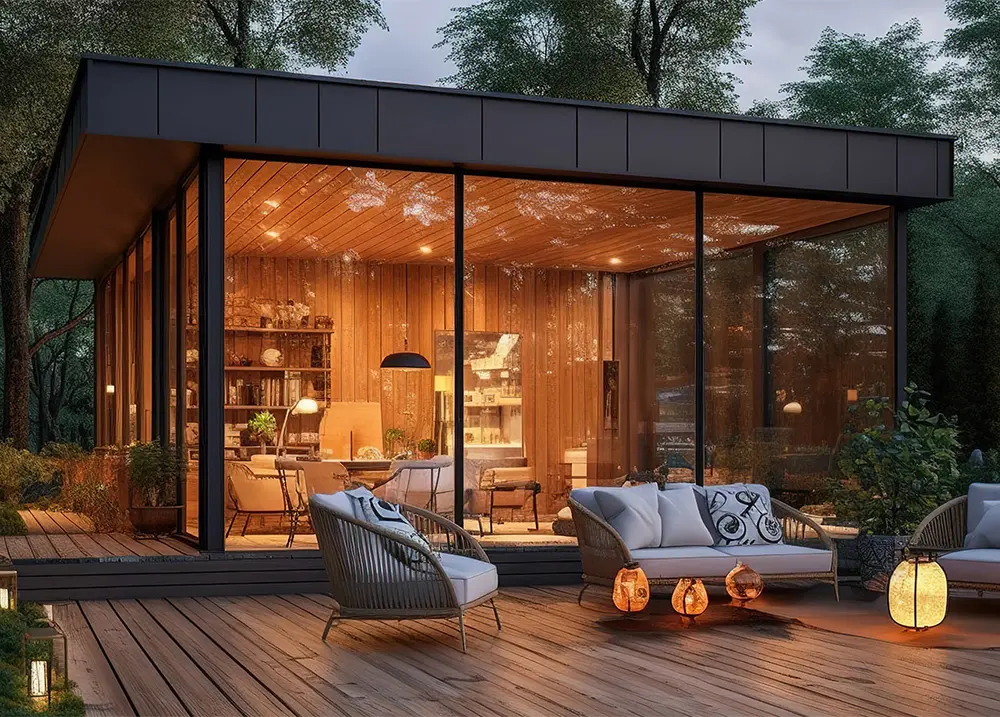
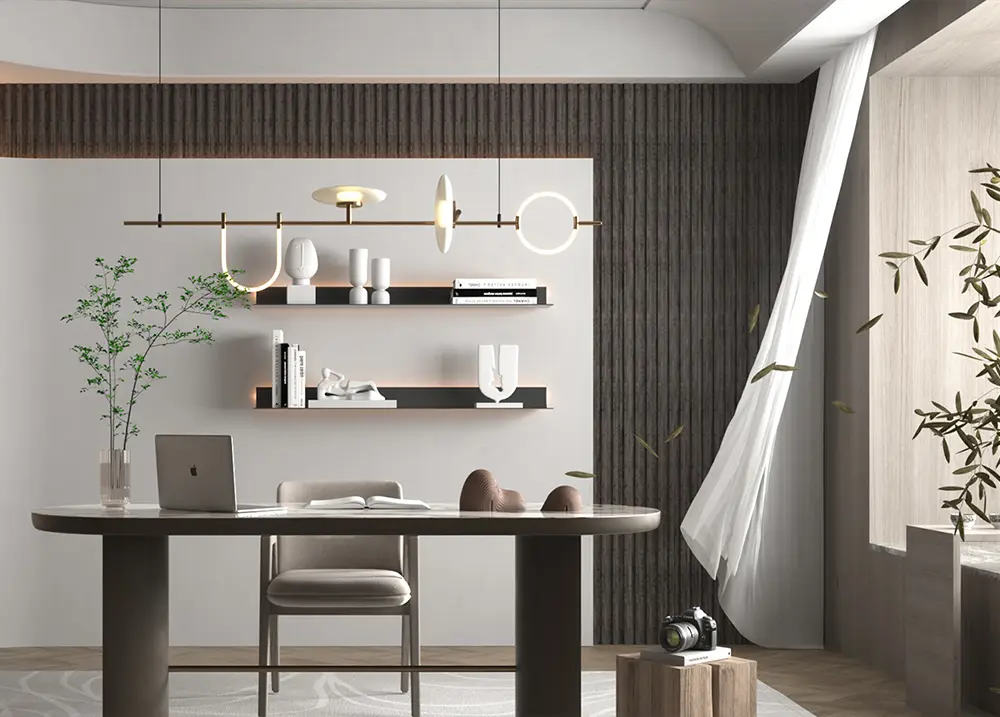
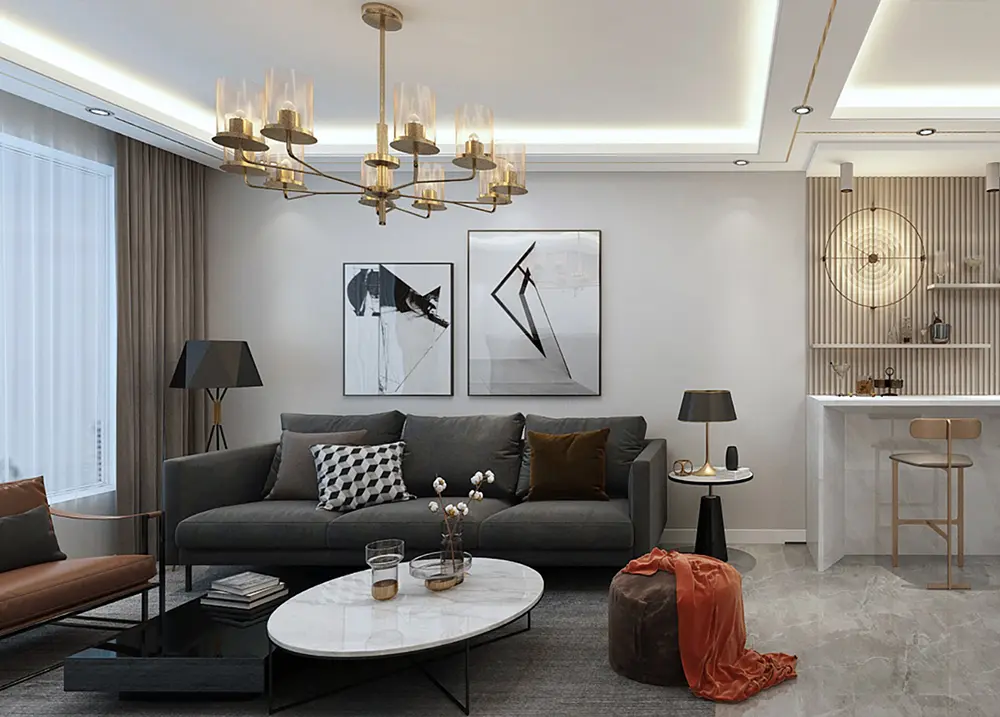
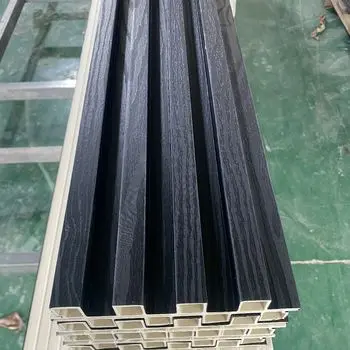
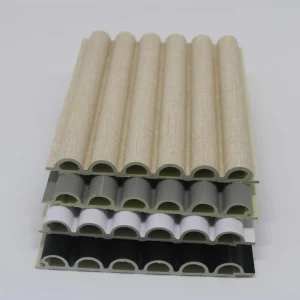
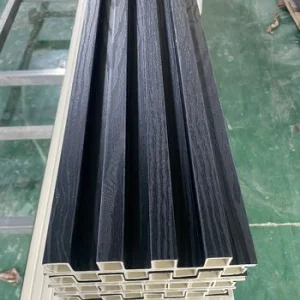
In hotel lobbies, executive conference rooms, and retail showrooms, 200 mm fluted (Great Wall design) WPC profiles provide immediate depth and texture. Combined with integrated LED channel lighting, these panels deliver high acoustic dampening while resisting scuffs from luggage and heavy foot traffic.
Unlike natural timber or standard MDF which swell, rot, or harbor mold under high humidity, 200 mm waterproof WPC wall and ceiling panels offer absolute moisture immunity. Seams interlock tightly to prevent water ingress behind wall cavities.
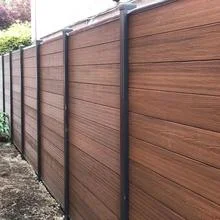
Utilizing 200 mm co-extruded outdoor WPC panels allows architects to construct ventilated rain-screen facades. The panels reflect thermal radiation, reducing solar heat gain on core building structures while delivering warm wood aesthetic tones without seasonal staining or sealing.
Linyi Rich New Materials continues to push the boundaries of polymer-wood science. Our R&D division, in collaboration with regional university research institutions, is actively driving three major technological breakthroughs for our next-generation 200 mm panel lines:
Integrating hydrophobic nano-titanium dioxide ($TiO_2$) coatings onto exterior 200mm WPC surfaces. Under sunlight, the coating breaks down organic dust and dirt, which is then washed away by rainwater, eliminating maintenance costs.
Replacing traditional virgin PVC/HDPE resins with 100% post-consumer recycled ocean plastics and plant-derived bio-resins, reducing the embodied carbon footprint per square meter of paneling by over 42%.
Advancing multi-color synchronized digital embossing directly during the extrusion phase. This mimics the microscopic pore structure and irregular grain variations of 50-year-old aged oak and walnut timber.
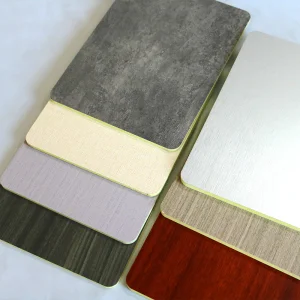
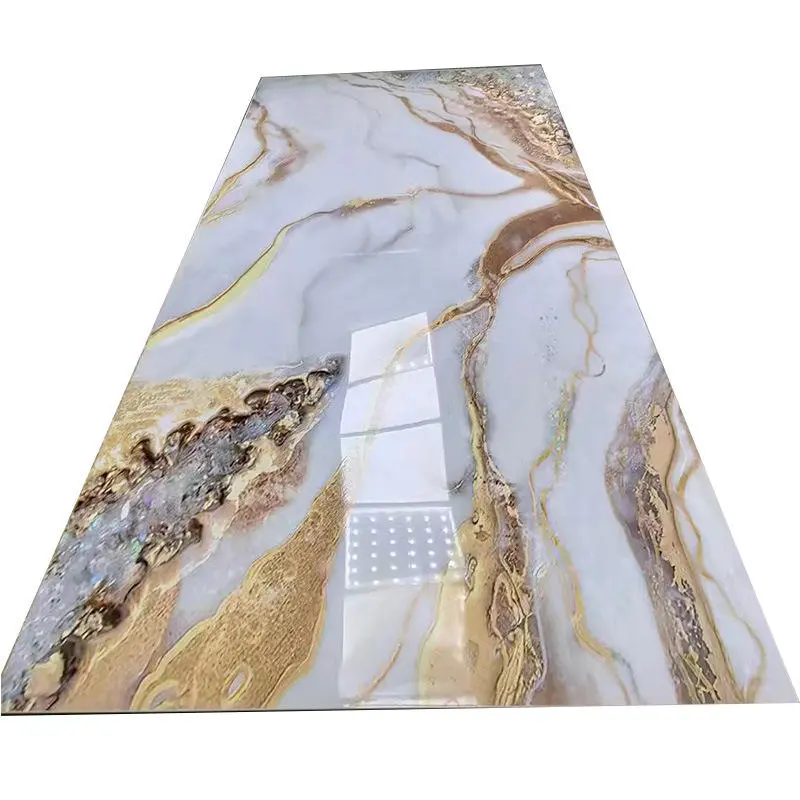
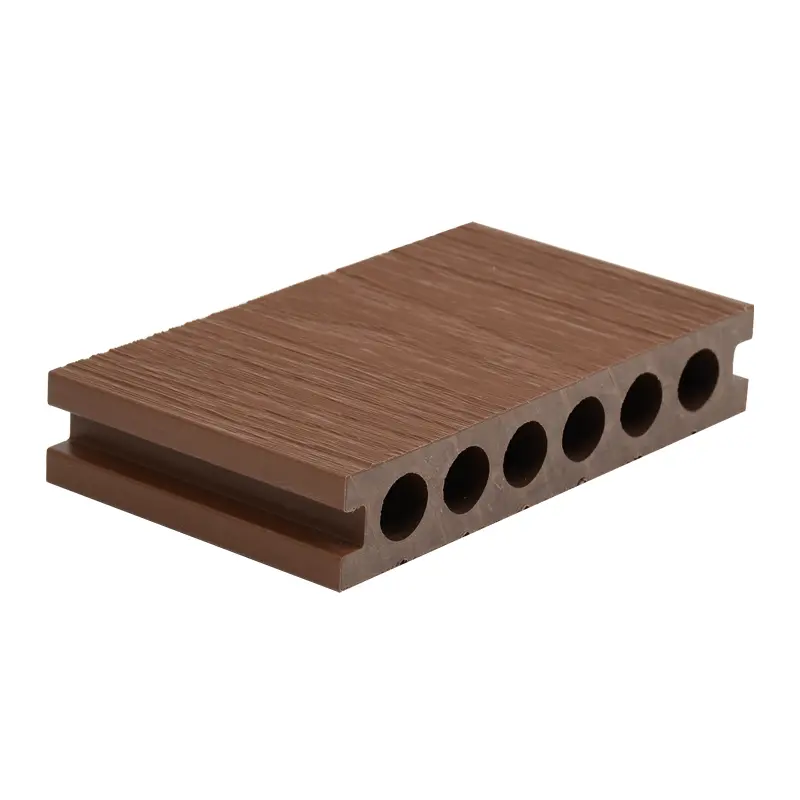
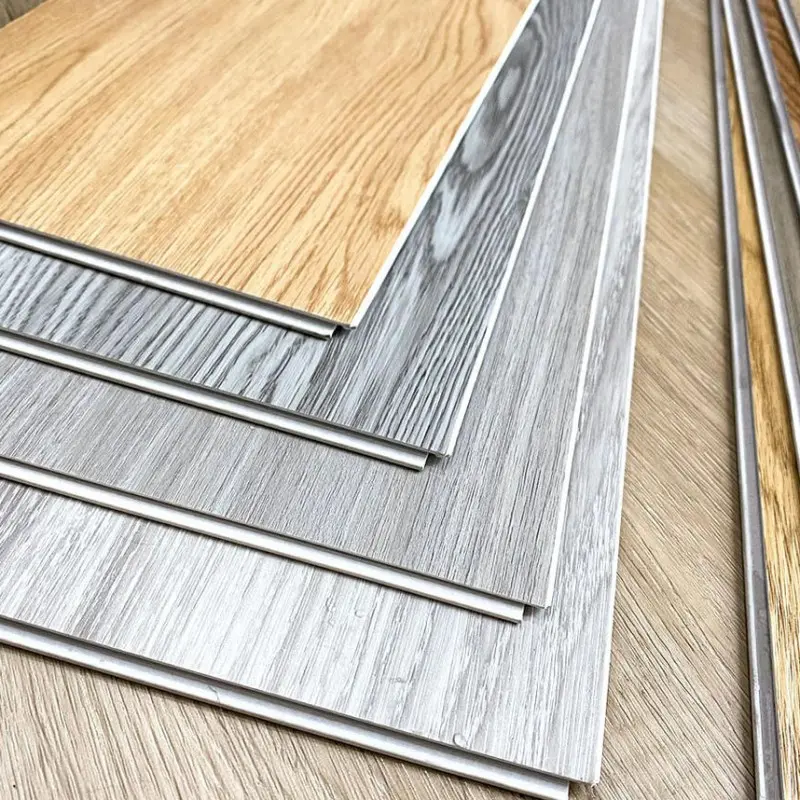
In addition to 200 mm WPC wall panels, Linyi Rich New Materials manufactures an extensive portfolio of eco-friendly surfacing materials:
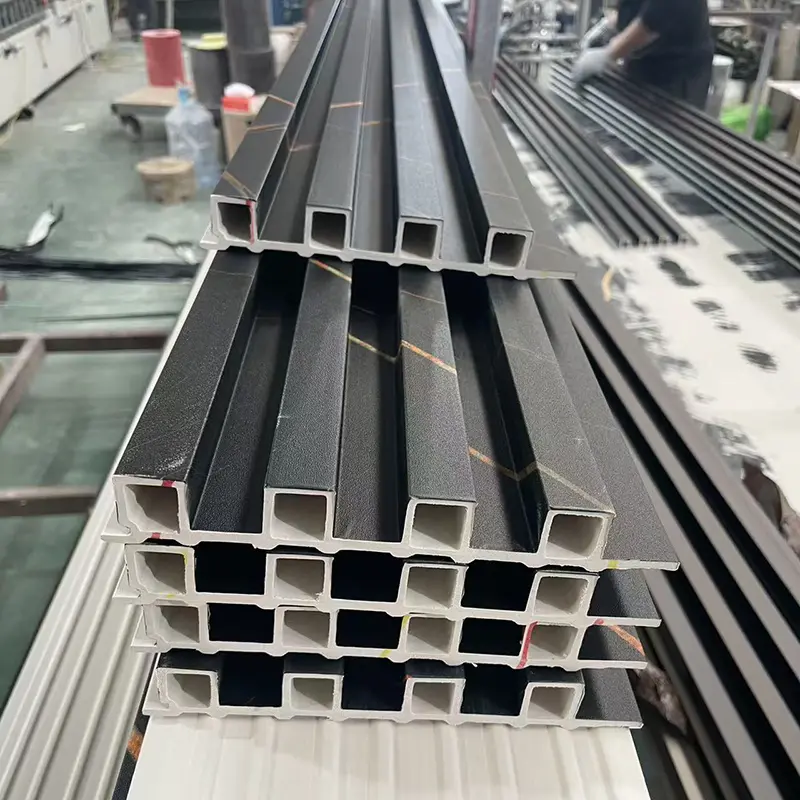
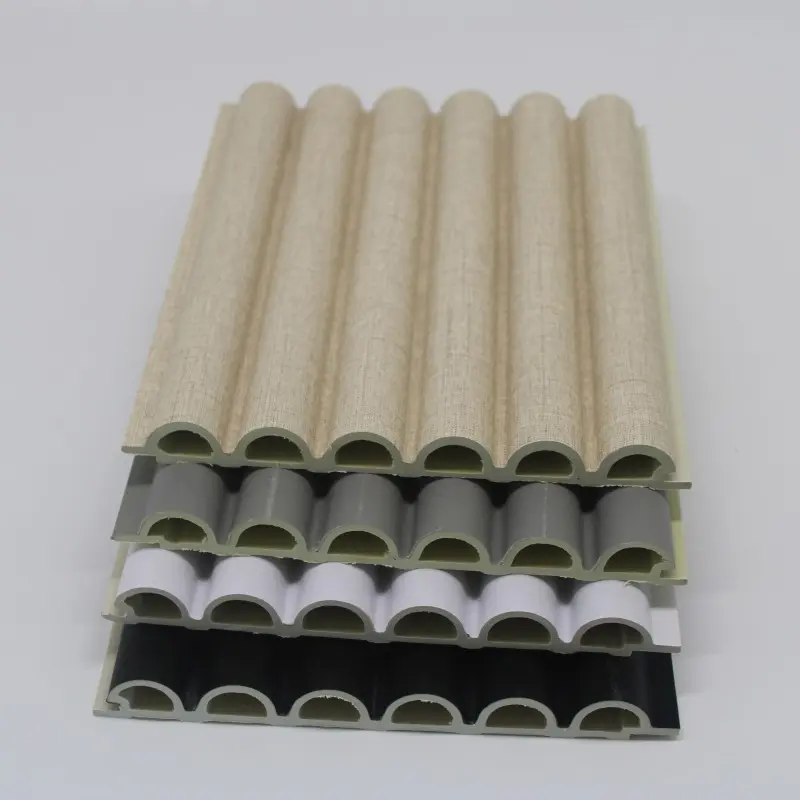
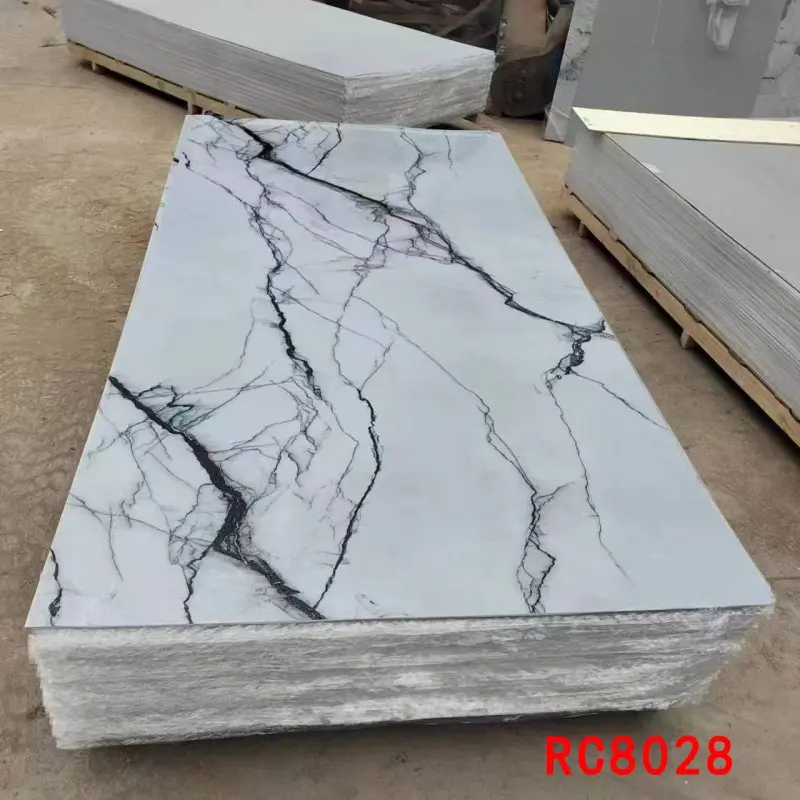
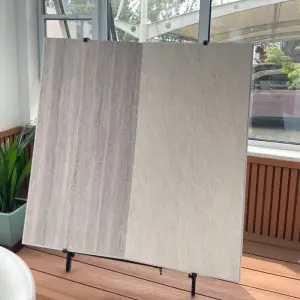
Direct manufacturer supply with global logistics support, international certifications, and factory-direct pricing.
 Rich New Materials