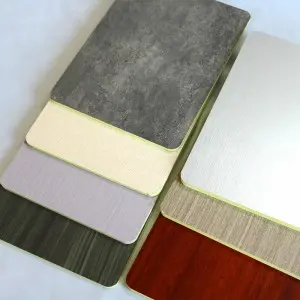
Explore our certified extrusion profiles, engineered for maximum weather resistance, structural strength, and luxury aesthetic integration across international residential and commercial developments.
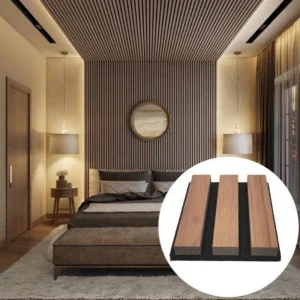
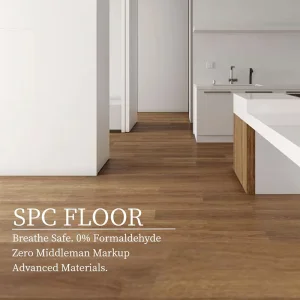
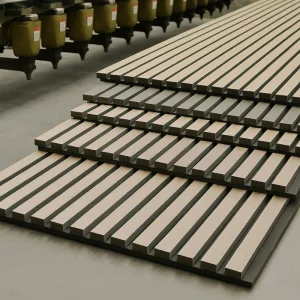
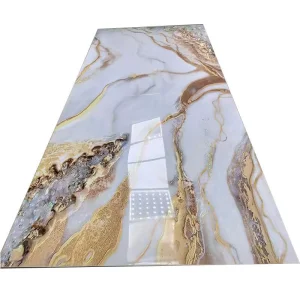
Linyi Rich New Materials Co., Ltd. is a modernized industrial and trading enterprise integrating R&D, advanced extrusion engineering, and global sales of next-generation eco-friendly building products. Headquartered in Linyi City, Shandong Province—China's core wood-plastic manufacturing hub—our facility spans a state-of-the-art 100,000 square meter intelligent production base staffed by over 300 highly qualified technicians and materials engineering experts.
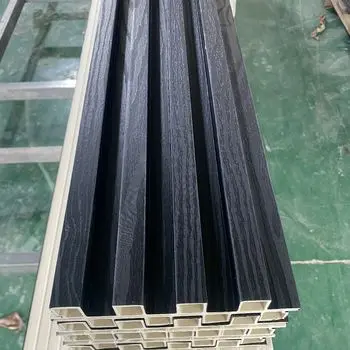
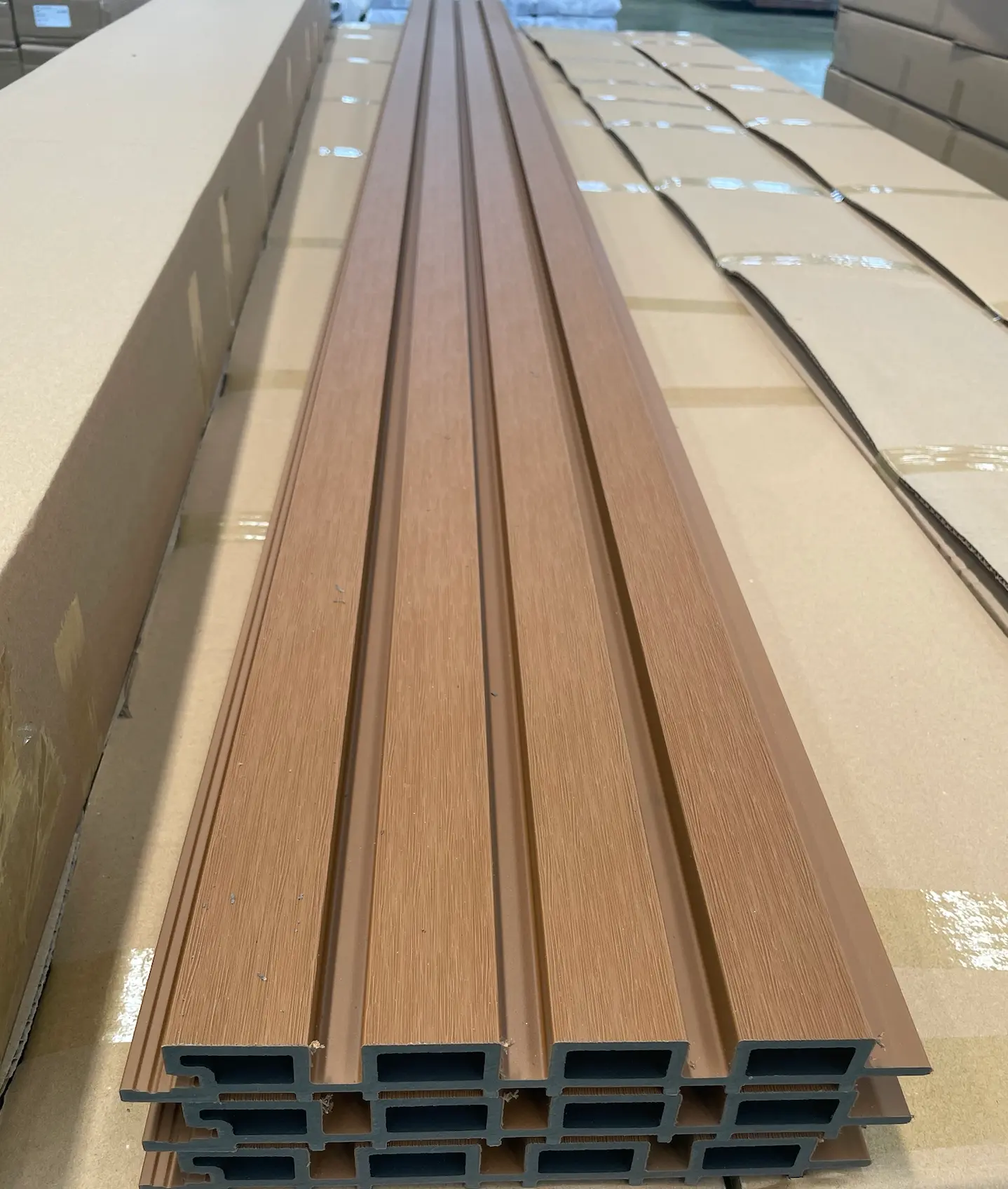
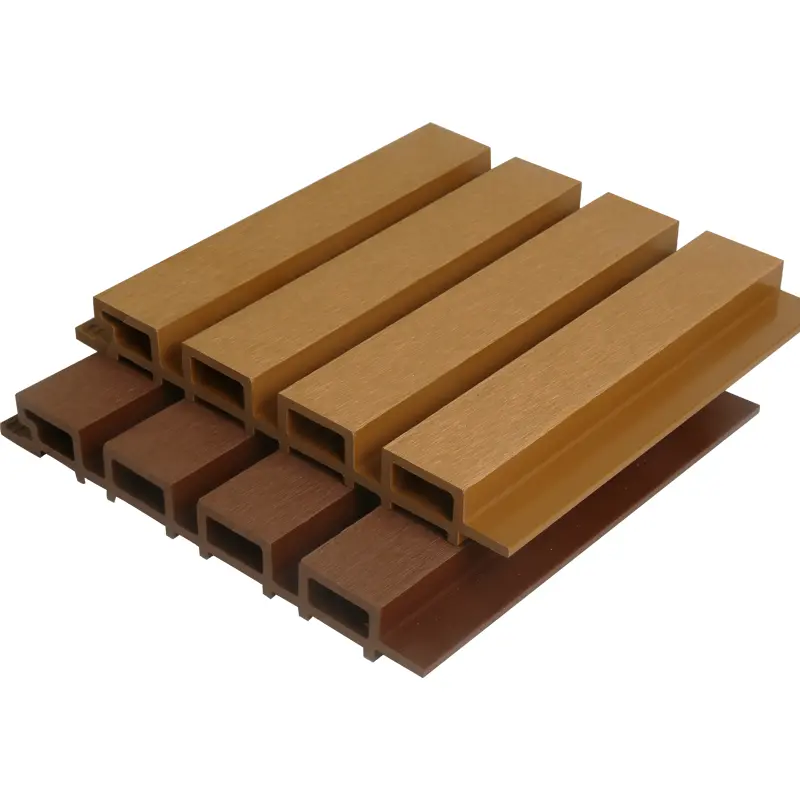
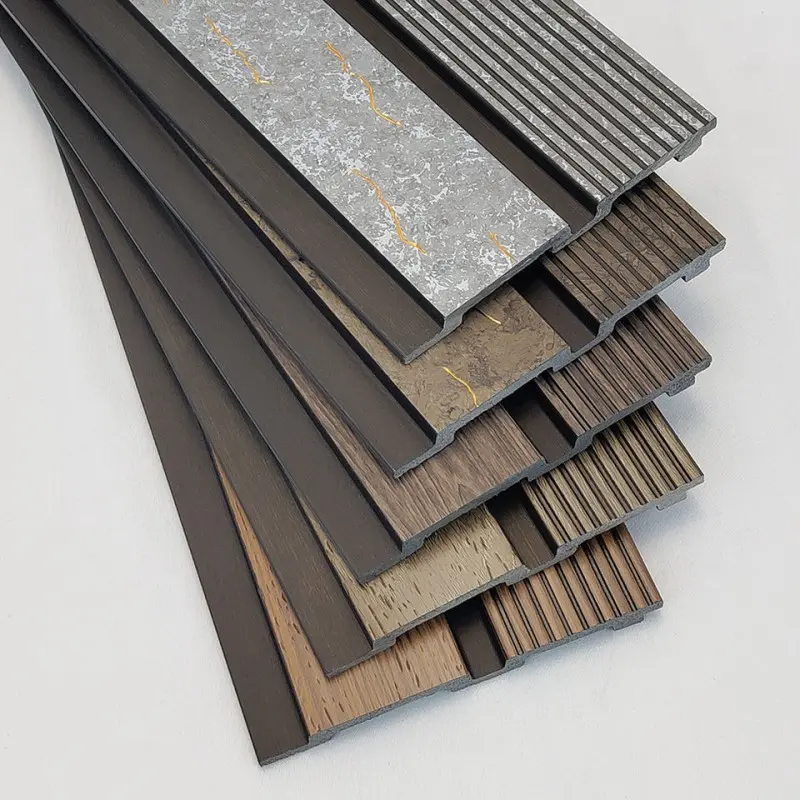
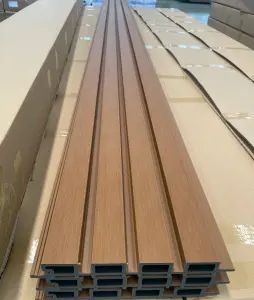
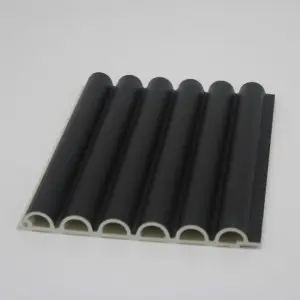
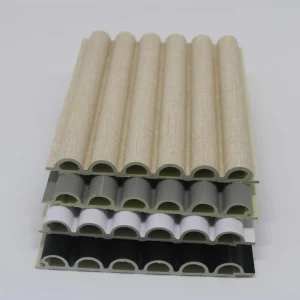
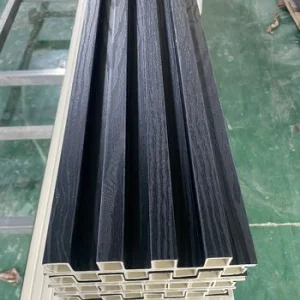
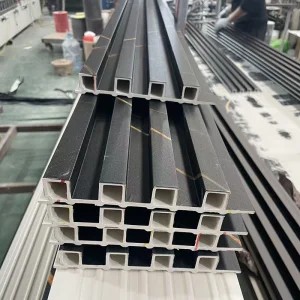
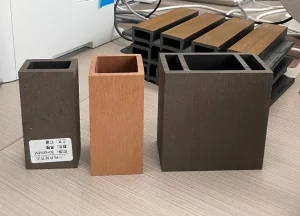
Driven by 120 fully automated production lines delivering an annual capacity of 12 million square meters. Engineered to blend high-density organic wood fibers with polymeric matrices for architectural louvers and gates.
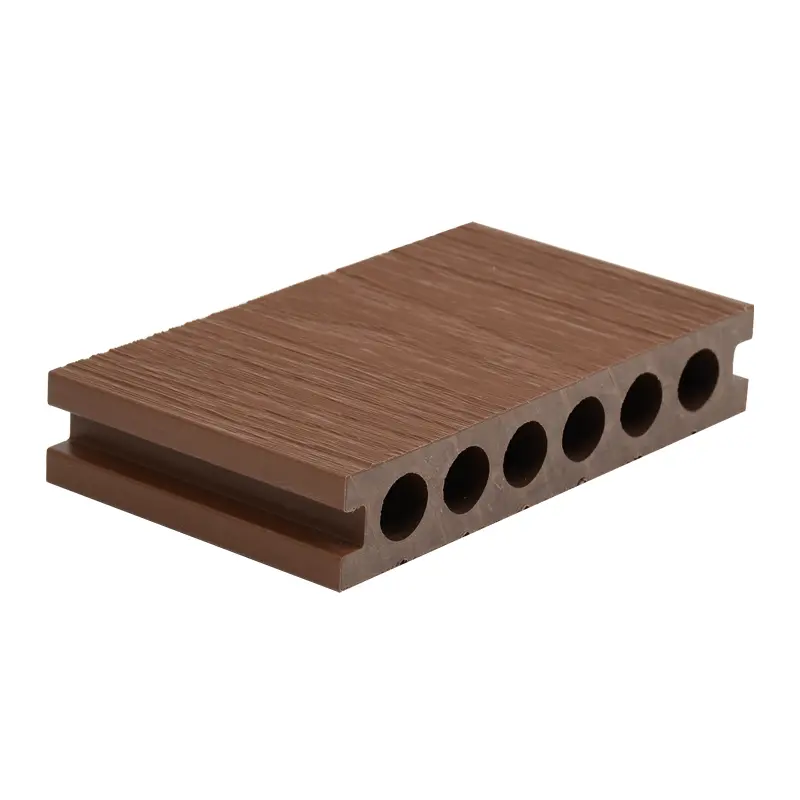
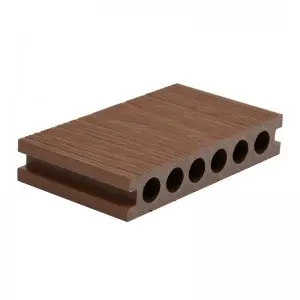
Utilizing 40 specialized high-pressure extrusion lines with 2 million m² annual yield. Designed specifically for extreme weathering, UV resistance, and thermal durability exported worldwide.
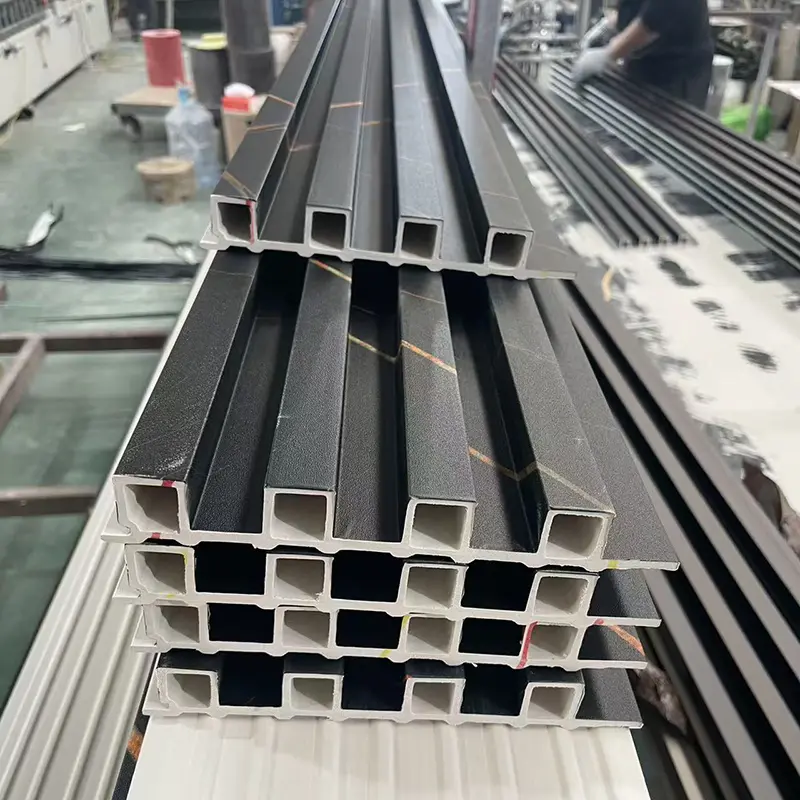
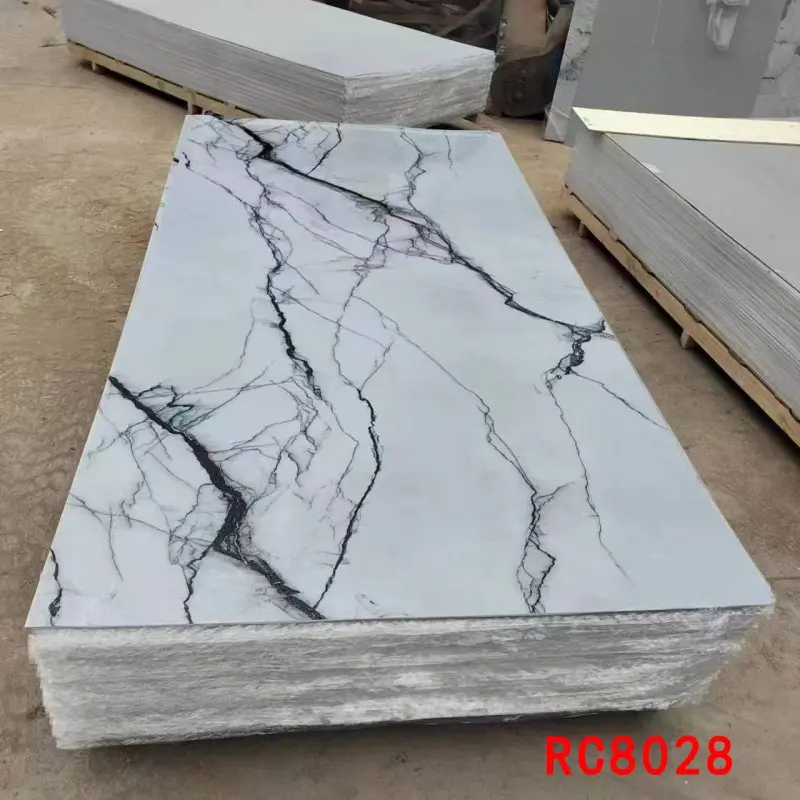
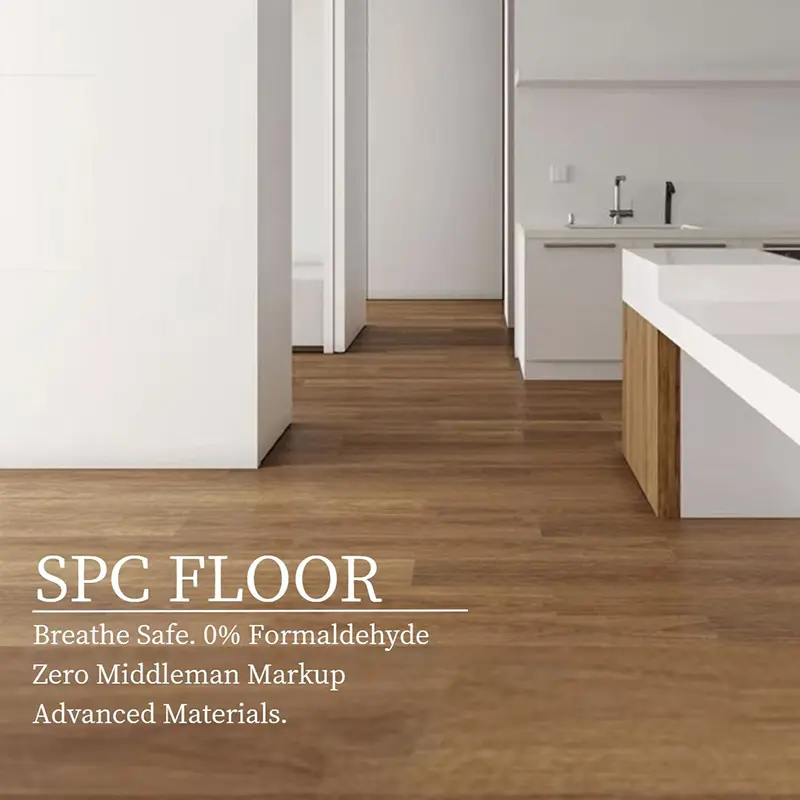
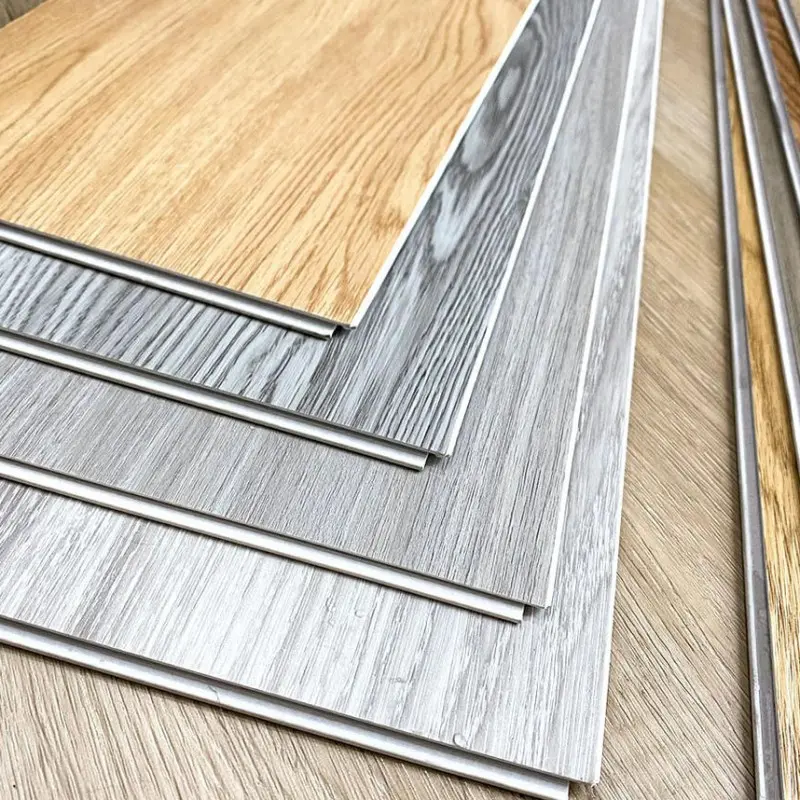
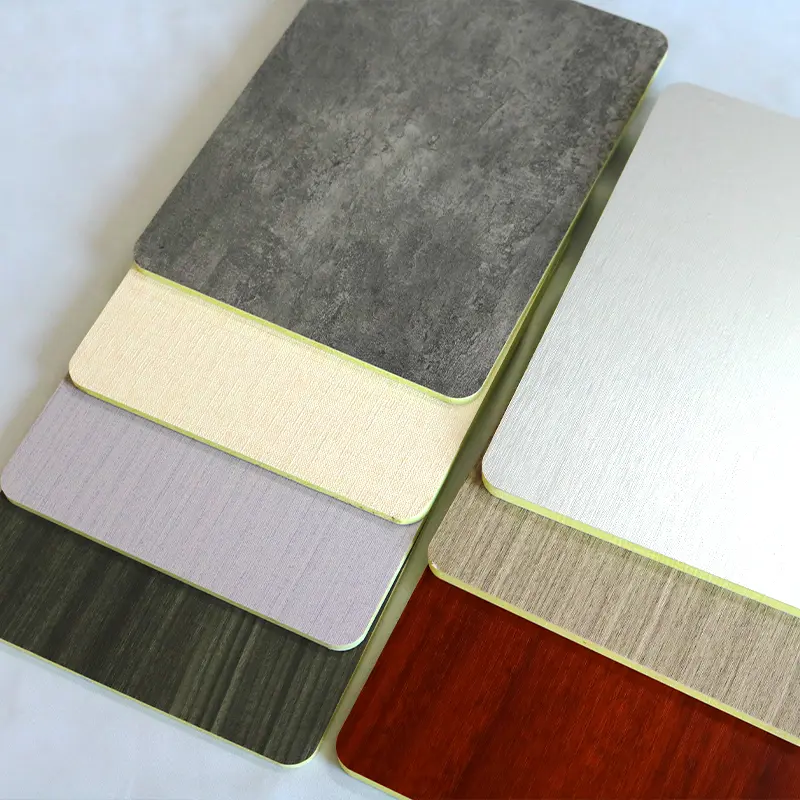
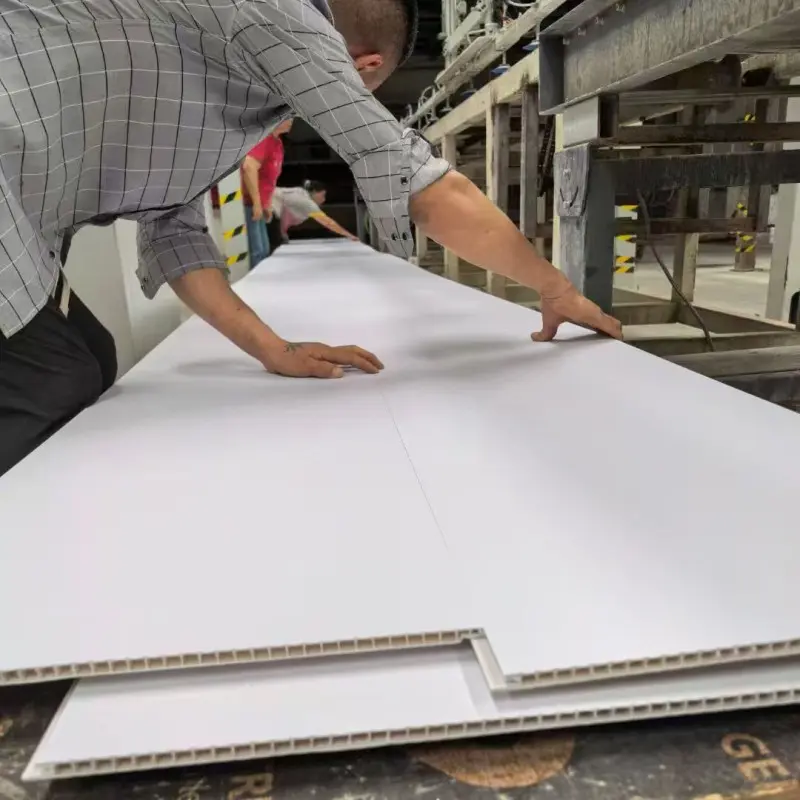
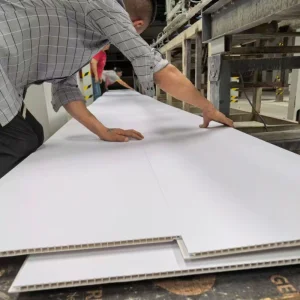
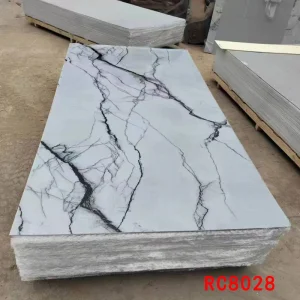
Operates 4 high-precision extrusion lines with an annual output of 3 million m². Features a stone-plastic composite core delivering 100% waterproof, zero-formaldehyde, and high-impact structural stability.
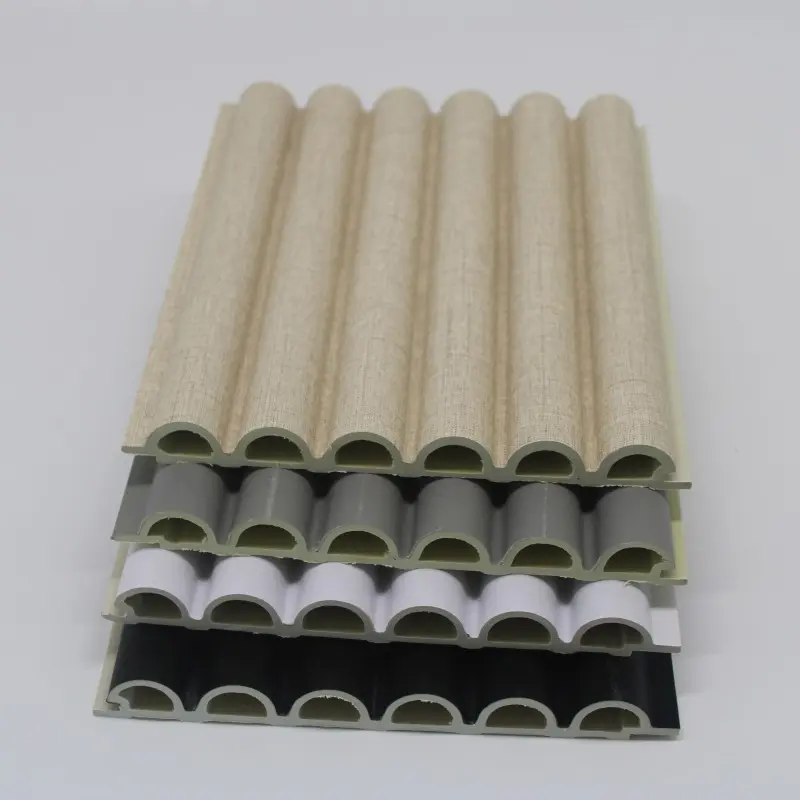
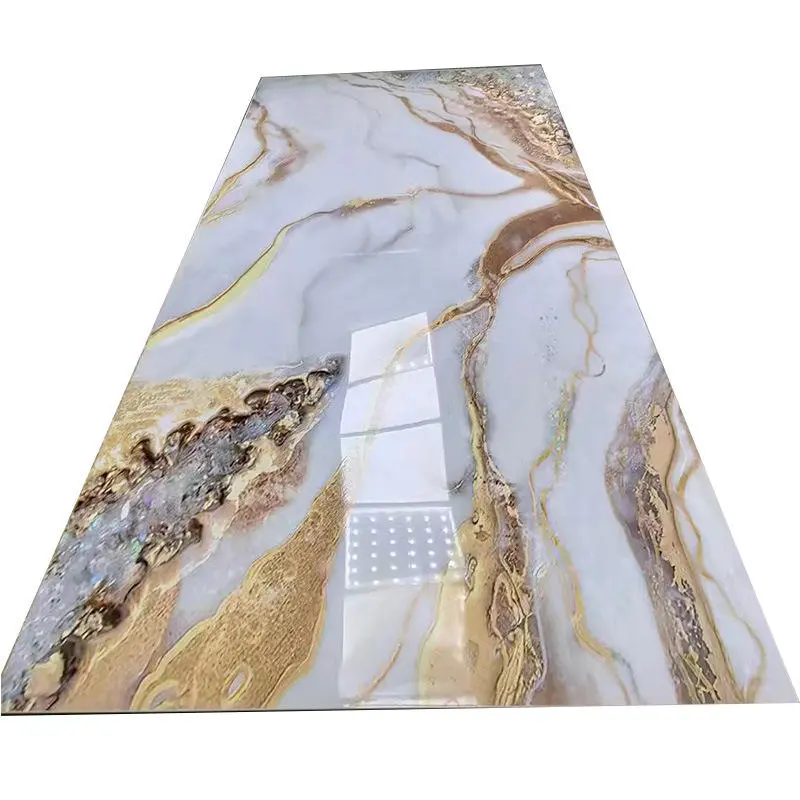
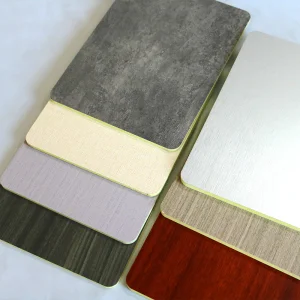
Supported by 12 customized lines operating within dust-free UV coating workshops. Yielding 6 million square meters annually for premium interior and exterior decorative architectural surfaces.
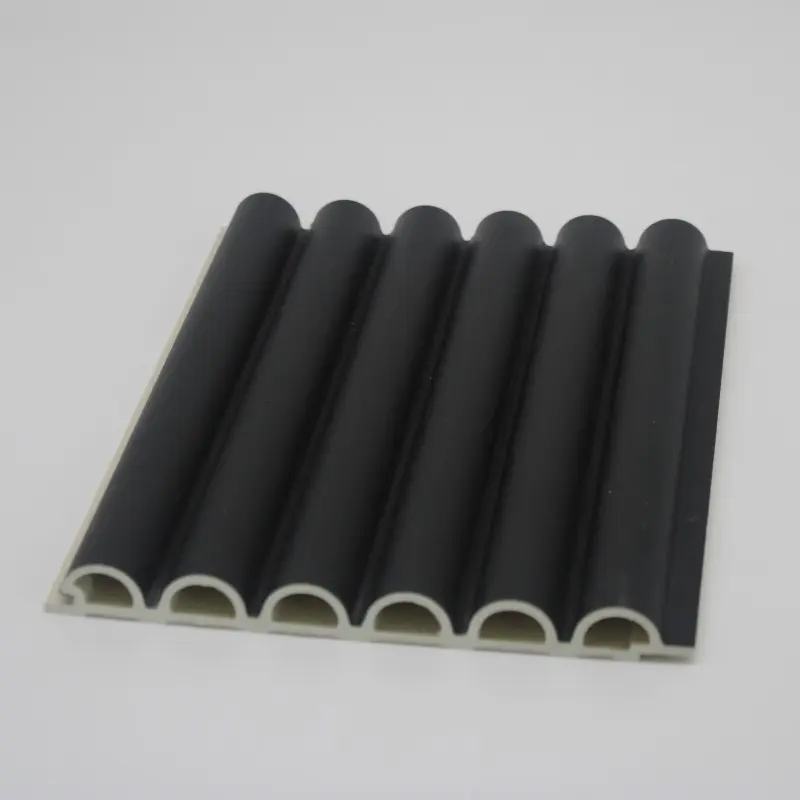
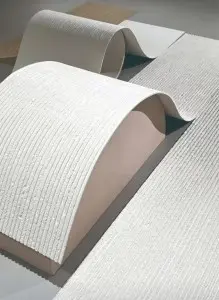
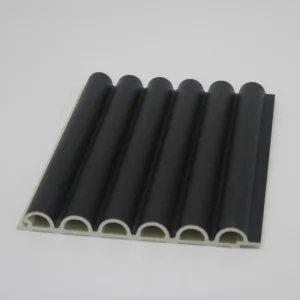
6 advanced lines producing 1 million m² annually. Outfitted with high-precision engraving machinery allowing custom mechanical grooving, corner-bending, and complex architectural shapes.
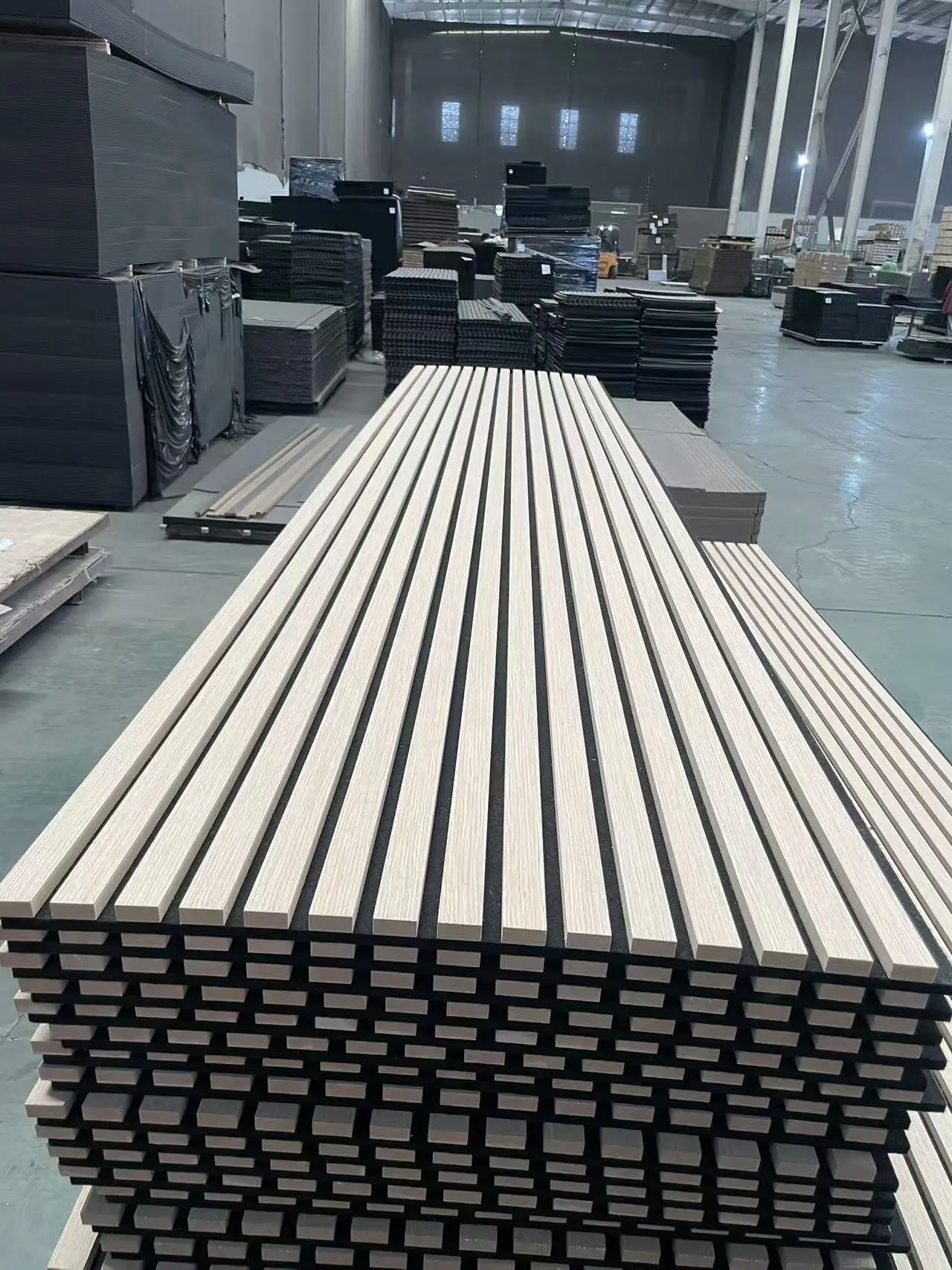
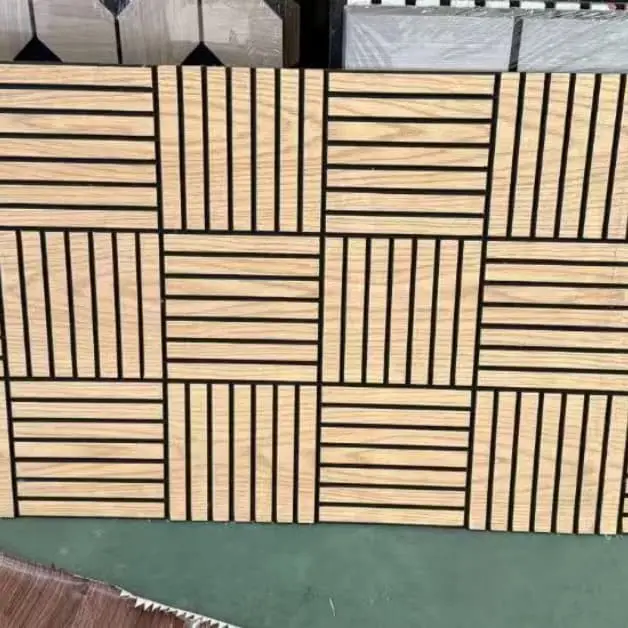
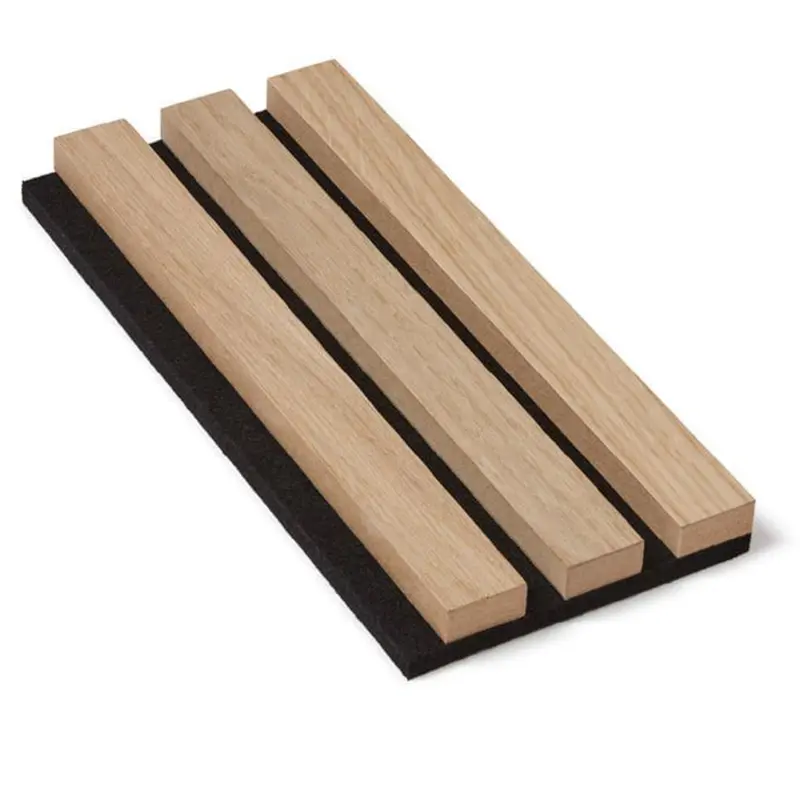
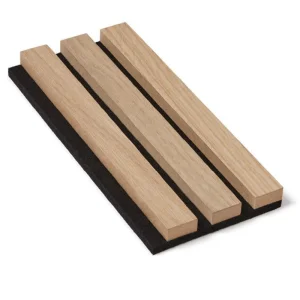
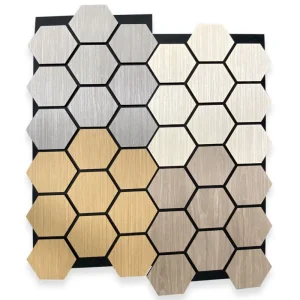
Complete in-house multi-blade CNC slitting and acoustic felt heat-bonding systems. Engineered for specialized architectural sound absorption, noise reduction coefficient (NRC) control, and interior luxury.
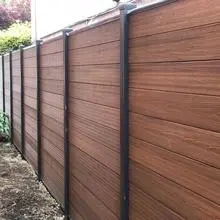
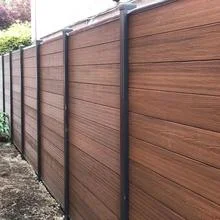
Wood-Plastic Composite (WPC) fence gates represent a paradigm shift in exterior perimeter engineering. Combining the natural aesthetics of timber with the bio-inert durability of high-density polymers, modern WPC gates solve the historic vulnerabilities of traditional wooden swing and sliding gates: organic rot, moisture uptake, termite degradation, and frequent paint refinishing cycles.
At the material level, high-performance WPC fence gate profiles produced by leading Chinese manufacturers utilize a precisely controlled co-extrusion formula. The core matrix consists of approximately 55%–60% refined hardwood fiber (sustainably reclaimed poplar or pine flour), 30%–35% recycled High-Density Polyethylene (HDPE), and 10% chemical performance additives. These additives include coupling agents (Maleic Anhydride Grafted Polyethylene), Hindered Amine Light Stabilizers (HALS), primary UV blockers, anti-oxidants, and micro-encapsulated inorganic pigments.
Traditional first-generation WPC lacked an external protective shell, making it susceptible to oil staining and surface fading under intense solar radiation. Second and third-generation co-extrusion technology applies a 360-degree acrylic-styrene-acrylonitrile (ASA) or modified engineering polymer cap layer around the WPC core during extrusion. This protective barrier reduces water absorption to less than 0.5% after 24 hours of total immersion, providing absolute color fastness (ΔE < 3.0 after 3000h QUV exposure) and unmatched scratch resistance.
| Material Performance Criteria | Standard WPC Gate Profiles | Co-Extruded Premium WPC | Natural Hardwood Gates | Aluminum Gate Systems |
|---|---|---|---|---|
| Density (g/cm³) | 1.30 – 1.35 | 1.35 – 1.40 | 0.65 – 0.85 | 2.70 |
| Water Absorption (24h) | < 1.5% | < 0.2% | 15% – 35% (Varies) | 0.0% |
| Flexural Strength (MPa) | ≥ 28.0 | ≥ 38.5 | 45.0 – 60.0 | ≥ 180.0 |
| Termite & Rot Resistance | 100% Resistant | 100% Resistant | Vulnerable (Requires Chemical Treatment) | 100% Resistant |
| Maintenance Cycle | Zero painting (Occasional wash) | Zero maintenance (UV Shielded) | Annual staining & sealing required | Powder-coat check every 5 yrs |
China has evolved into the global epicenter for WPC technical research, extrusion die engineering, and mass-scale production. Specifying and procuring WPC fence gates from established Chinese manufacturing hubs like Linyi, Shandong unlocks substantial structural advantages for international distributors, real estate developers, and civil engineering firms.
Linyi’s industrial ecosystem provides direct localized access to high-grade timber processing by-products, virgin and recycled HDPE resin synthesis, and specialized titanium dioxide pigment plants. This proximity drastically reduces raw material transit costs and mitigates global supply disruption risks.
In-house tooling centers at facilities like Linyi Rich New Materials allow for rapid prototyping of proprietary gate profile cross-sections. Custom groove dimensions, tongue-and-groove tolerance tolerances (±0.15mm), and structural reinforcement chambers are designed and executed in days rather than months.
Operating over 40 dedicated outdoor extrusion lines and 120 total composite lines, our facilities maintain steady output even during global peak procurement seasons. High volume production lowers fixed unit costs, translating to superior commercial margins for B2B partners.
A primary structural challenge with plastic-composite gate installations is sagging over extended spans due to the material's lower modulus of elasticity compared to structural steel or aluminum. To overcome this, modern Chinese gate manufacturing incorporates integrated hybrid framework engineering.
High-performance WPC fence gate systems are engineered around a concealed structural skeleton. Heavy-gauge 6063-T5 architectural aluminum profiles (anodized or powder-coated) are inserted directly inside hollow WPC gate posts and perimeter gate frame channels. This hybrid approach ensures that structural wind loads (calculated up to Beaufort Scale 11/12 winds or 110 km/h) are safely transferred to the ground footers, while the visible surface exhibits the warmth and texture of natural wood.
Polymer composites exhibit linear thermal expansion (α ≈ 4.0 × 10⁻⁵ /°C). A standard 1.8-meter gate panel can expand or contract up to 3.5mm across an ambient temperature differential of 40°C. Professional Chinese gate designs utilize floating panel connection clips, oval-shaped mounting screw slots, and micro-gap rubber gaskets within the aluminum frame perimeter to absorb thermal motion without panel buckling or joint failure.
WPC gate systems are engineered to withstand diverse microclimates across global export destinations. The material chemistry is optimized for specific geographical stress factors:
High saline humidity causes severe degradation in steel and iron gates. WPC, paired with marine-grade 316 stainless steel hinges and latches, offers complete resistance to salt spray corrosion without requiring protective re-coatings.
In regions such as the Middle East and Australia, solar irradiance causes standard plastic degradation. Co-extruded WPC gates incorporate core UV absorbers and reflection pigments that maintain surface temperatures up to 8°C cooler than dark aluminum gates.
Water entering wood porous micro-cracks expands upon freezing, fracturing real timber. Micro-pore closed polymer encapsulations in WPC prevent moisture ingress, guaranteeing zero micro-cracking during freeze-thaw cycles in Northern Europe and North America.
Density and acoustics matter in modern residential developments. Hollow-core multi-chamber WPC gate slats provide excellent sound dampening capabilities, reducing ambient street noise transmission by up to 22 dB.
When international buyers issue RFQs for OEM/ODM WPC fence gate systems, strict compliance with global building standards is paramount. Reliable Chinese manufacturers adhere to international testing protocols to guarantee consistent quality across every batch container.
| Quality Metric / Standard | Test Method Standard | Required Benchmark Value | Engineering Relevance |
|---|---|---|---|
| Flexural Strength | ASTM D7032 / EN 15534-4 | ≥ 25.0 MPa | Prevents permanent sagging under mechanical impact or wind pressure. |
| Creep Behavior | EN 15534-1 Section 7.5 | ≤ 2.0 mm deflection under continuous load | Ensures long-term dimensional retention of gate frame joints. |
| Fire Resistance Rating | EN 13501-1 / ASTM E84 | Class B-s1,d0 / Class B | Low flame spread rating and non-toxic smoke emission characteristics. |
| Hazardous Substances | EU REACH & RoHS 2.0 | Zero Lead, Cadmium, Heavy Metals, or Formaldehyde | Guarantees eco-friendly compliance for public and residential installations. |
Complement your perimeter fencing with integrated interior wall cladding, acoustic engineering panels, and resilient waterproof flooring engineered by Linyi Rich.
 Rich New Materials