Direct Factory Innovations Exported Globally to Over 100 Countries
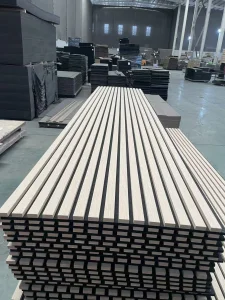
LINYI RICH NEW MATERIALS CO., LTD. — Industrial Standard-Bearer in Eco-Friendly Composite Manufacturing
Linyi Rich New Materials Co., Ltd. stands as an authoritative modernized industrial and trading powerhouse, seamlessly integrating advanced research and development (R&D), continuous-stream manufacturing, and international procurement logistics. Dedicated to pioneering next-generation environmentally friendly architectural profiles, the enterprise operates from its headquarters in Linyi City, Shandong Province—the primary industrial capital for composite polymers and timber processing in China.
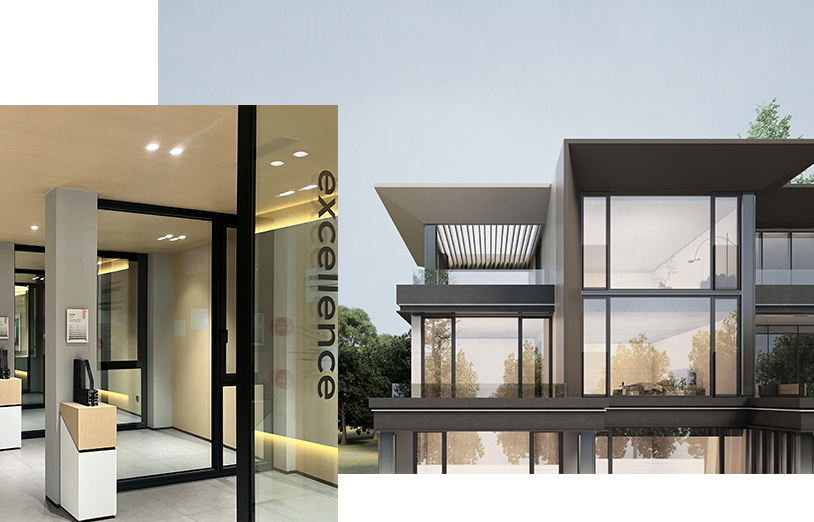
With over 300 professional technicians operating across 100,000 square meters of climate-controlled, automated shop floors, Linyi Rich maintains strict compliance with ISO9001 Quality Management and ISO14001 Environmental Management Systems. Our infrastructure is engineered to deliver high-capacity throughput, batch-to-batch consistency, and structural integrity tailored for rigorous international building codes.
Analyzing Polymer Matrices, Cross-Linking Mechanics, and Co-Extrusion Shielding
In modern architecture and civil engineering, Dek Komposit WPC (Wood-Plastic Composite) has evolved from a simple alternative to natural timber into an engineered high-performance composite solution. Understanding the underlying chemistry, polymer rheology, and mechanical formulation is paramount for corporate buyers, structural engineers, and project architects seeking maximum structural longevity and minimal lifecycle degradation.
The performance of WPC decking and wall profiles depends primarily on the quality of raw materials and the homogeneity of the melt blend during thermal extrusion. Factory production utilizes high-density polyethylene (HDPE), polypropylene (PP), or polyvinyl chloride (PVC) blended with micronized wood fibers and chemical coupling additives:
| Performance Parameter | Traditional Timber (Teak/Pine) | First-Gen Classic WPC | Rich WPC Co-Extrusion Shield |
|---|---|---|---|
| Moisture Absorption (24hr immersion) | 15% - 35% (High swelling risk) | < 2.5% | < 0.2% (Impermeable) |
| Flexural Modulus (ASTM D790) | 8,000 - 11,000 MPa | 2,200 - 3,200 MPa | 3,800 - 4,500 MPa |
| Slip Resistance Rating (DIN 51130) | R9 - R10 (Slippery when wet) | R10 | R11 - R12 High Traction |
| Maintenance Requirements | Annual sealing, staining, sanding | Periodic wash down | Zero maintenance (Clean water wash) |
| Insect & Termite Resistance | Vulnerable to rot and attack | 100% Resistant | 100% Immune + Anti-Fungal |
Traditional first-generation WPC profiles exposed wood fibers directly to atmospheric humidity, leading to eventual staining and surface mold in extreme tropical climates. Linyi Rich New Materials Co., Ltd. utilizes advanced 360-degree co-extrusion technology. During production, an outer armor layer made of a modified, weather-resistant engineering polymer is co-extruded around the core WPC matrix simultaneously.
This co-extruded shield coats all four sides of the decking board, providing complete protection against UV radiation, moisture ingress, scratch damage, and tough commercial stains (such as oils, wine, and grease). The core maintains high structural density and elasticity, while the outer shell preserves rich, realistic wood grain textures without fading over time.
Unlocking Supply Chain Efficiencies, Raw Material Integration, and Cost Optimization
Linyi is widely recognized as China’s largest timber processing and logistics center. Direct proximity to raw materials (polymers, wood flour, bio-resins) drastically cuts inland freight overheads, passing cost savings down to international buyers.
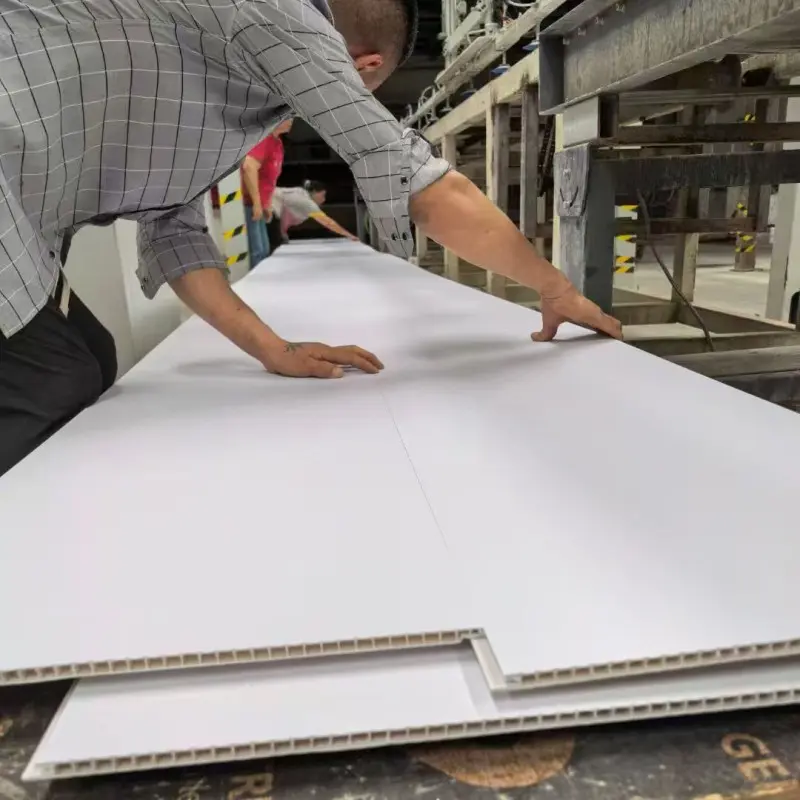
Operating 120 automated WPC grating lines, 40 outdoor WPC lines, 12 UV panel workshops, and 4 high-precision SPC flooring lines guarantees low unit manufacturing costs, immediate scalability, and reliable order fulfillment.
With custom CNC mold-making capabilities and proprietary engraving systems, factories can produce custom profile geometries, groove spacings, wall thicknesses, and embossed surface finishes tailored to exact client specifications.
Exploring Engineering Specifications Across Architectural & Interior Systems
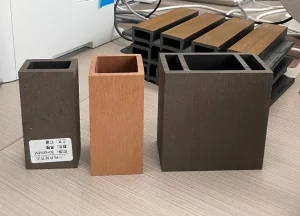
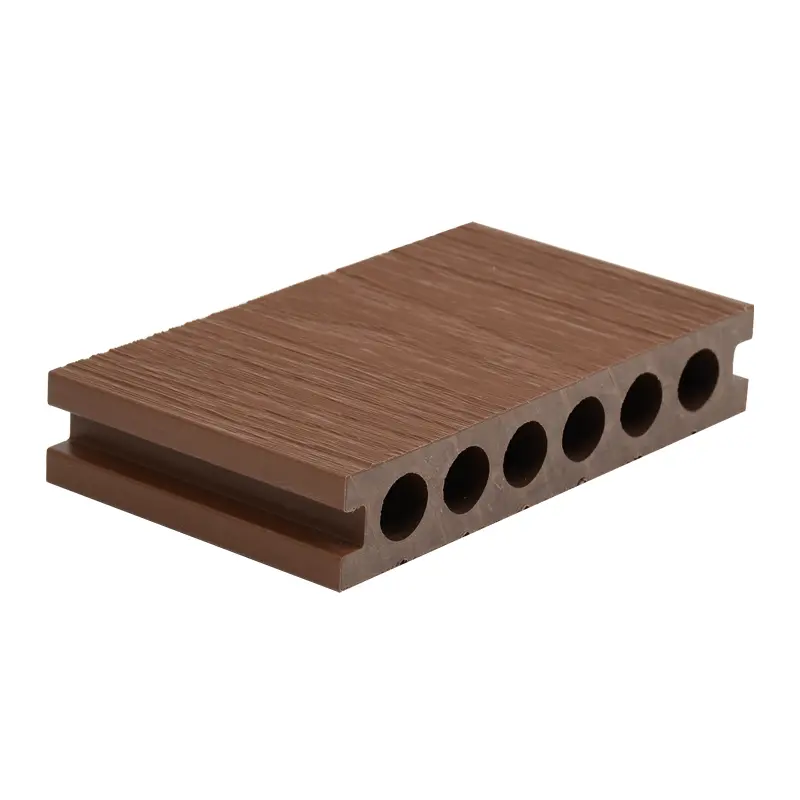
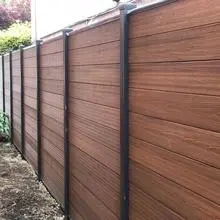
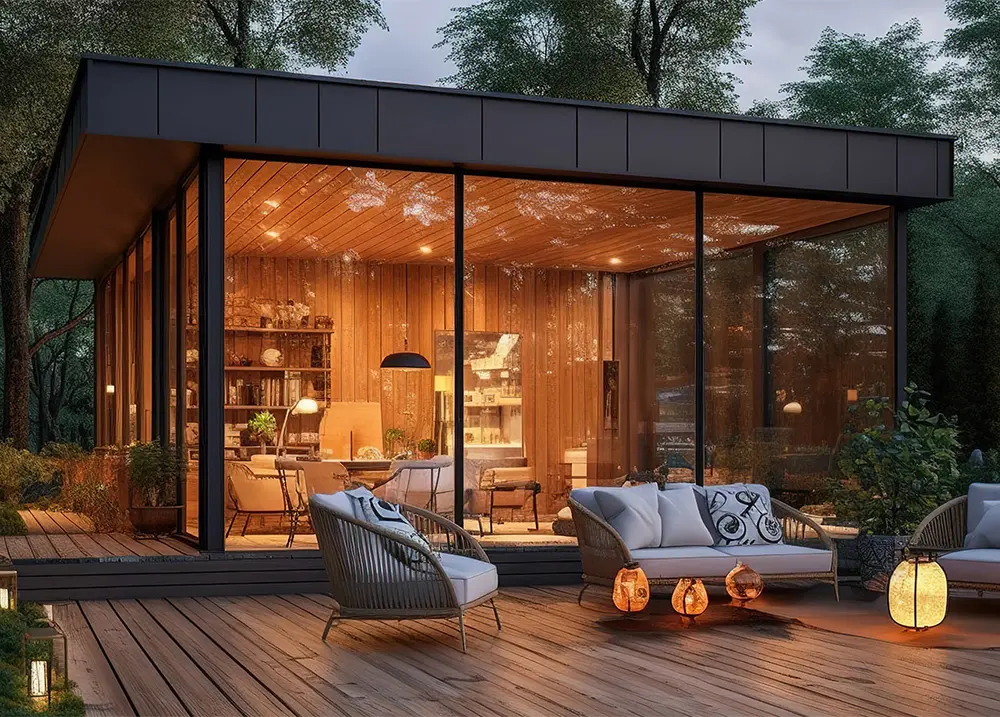
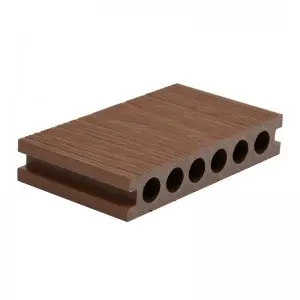
Designed for severe outdoor weathering. Operates across 40 customized production lines producing 2 million square meters annually. Features B1 fire resistance, high slip resistance, zero rotting, and minimal linear thermal expansion (<0.15%). Exported to demanding European, North American, and Southeast Asian commercial markets.
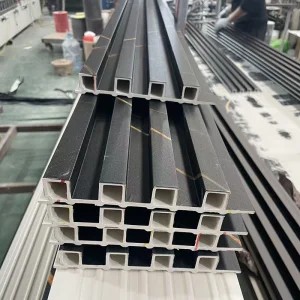
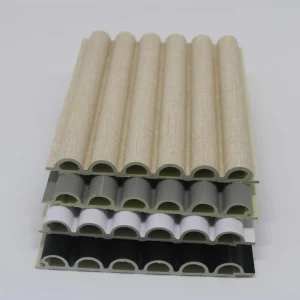
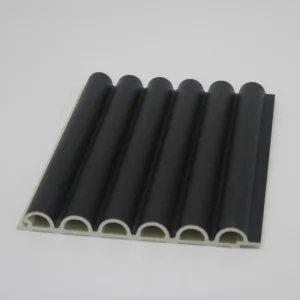
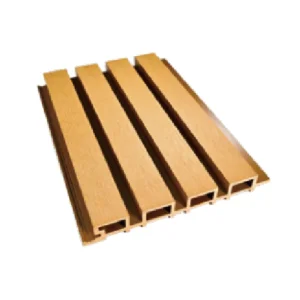
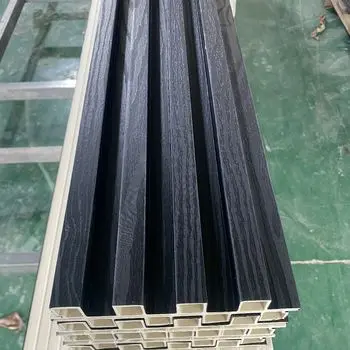
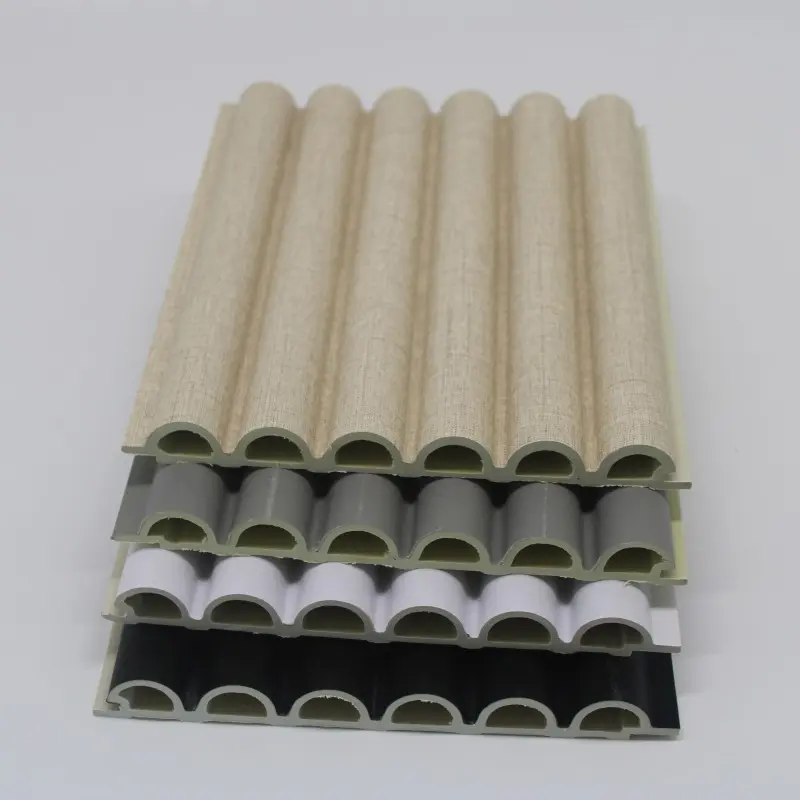
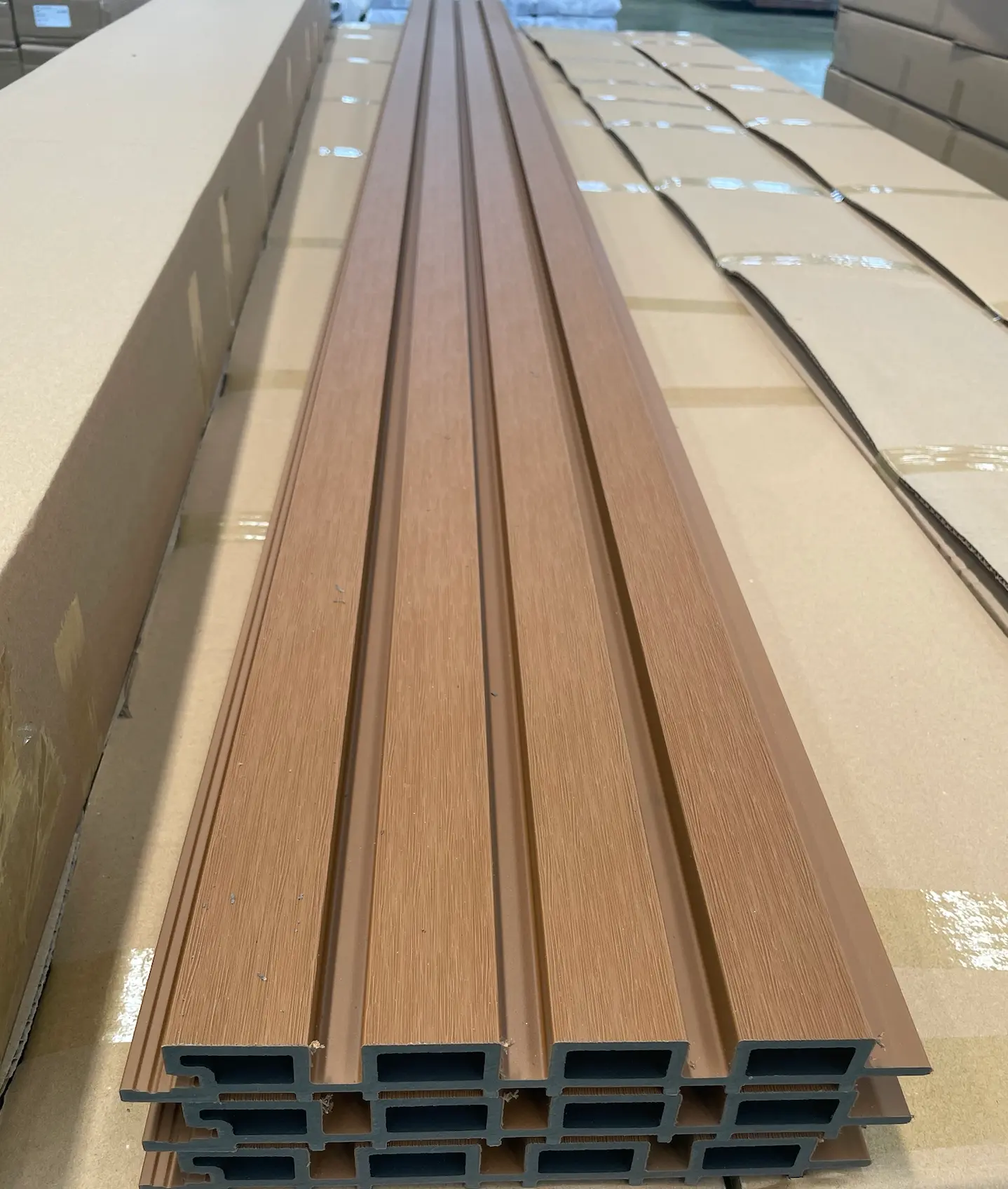
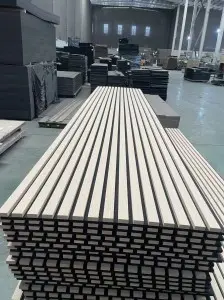
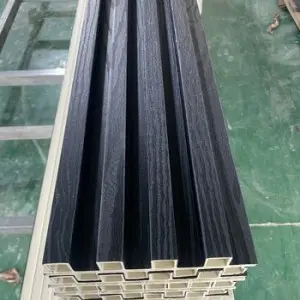
Supported by 120 fully automated lines delivering 12 million square meters annually. Combines wood-like warmth with structural strength. Ideal for sunshades, privacy screens, exterior cladding features, and architectural facade accents in high-rise and commercial buildings.
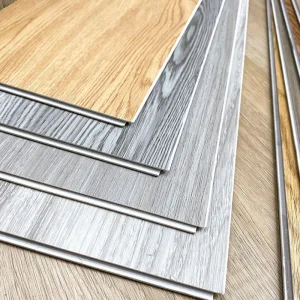
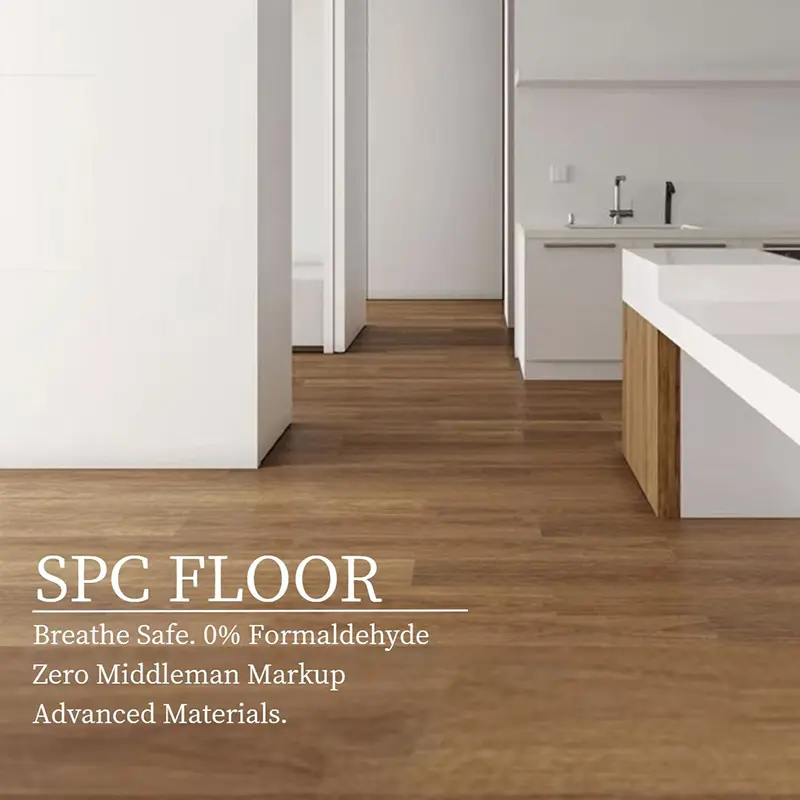
Engineered with 4 high-precision extrusion lines outputting 3 million square meters per year. Formulated from ultra-dense limestone composite, delivering zero formaldehyde emission, 100% waterproof performance, and an integrated IXPE acoustic underlayment for sound attenuation.
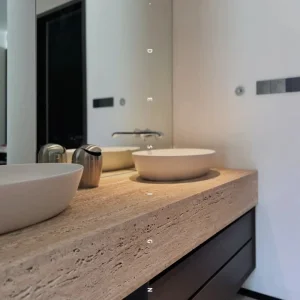
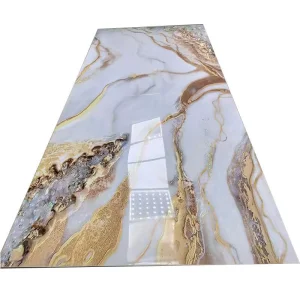
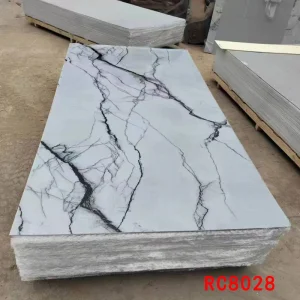
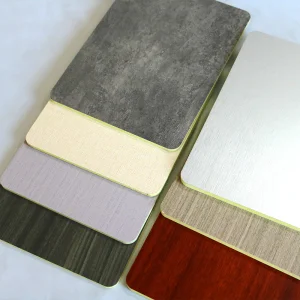
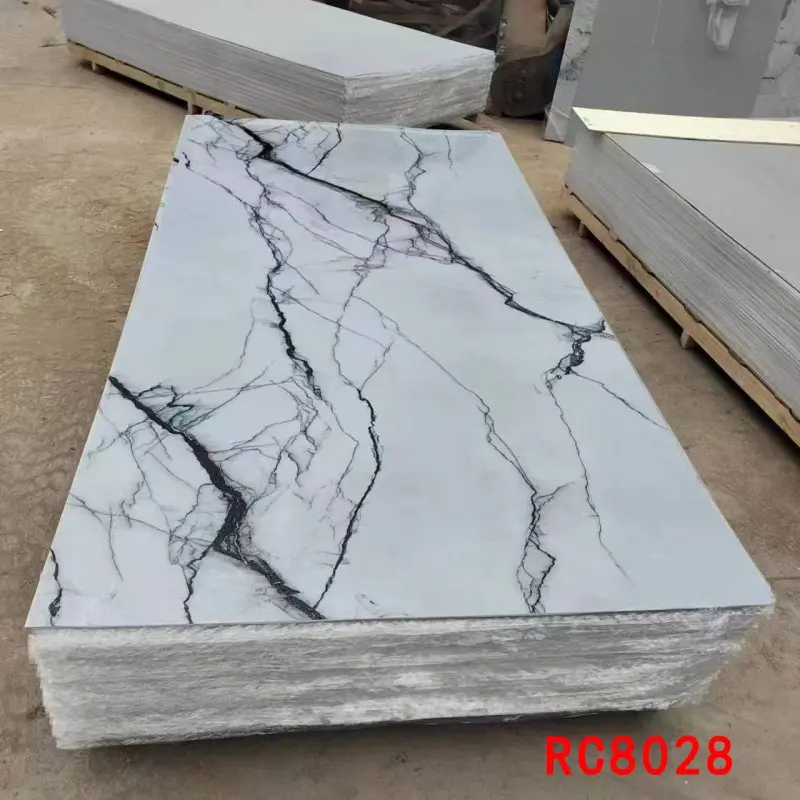
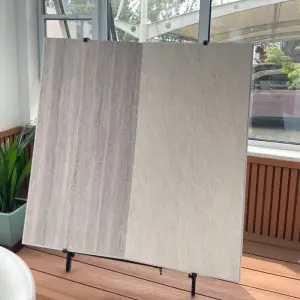
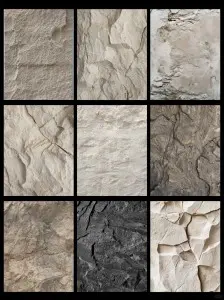
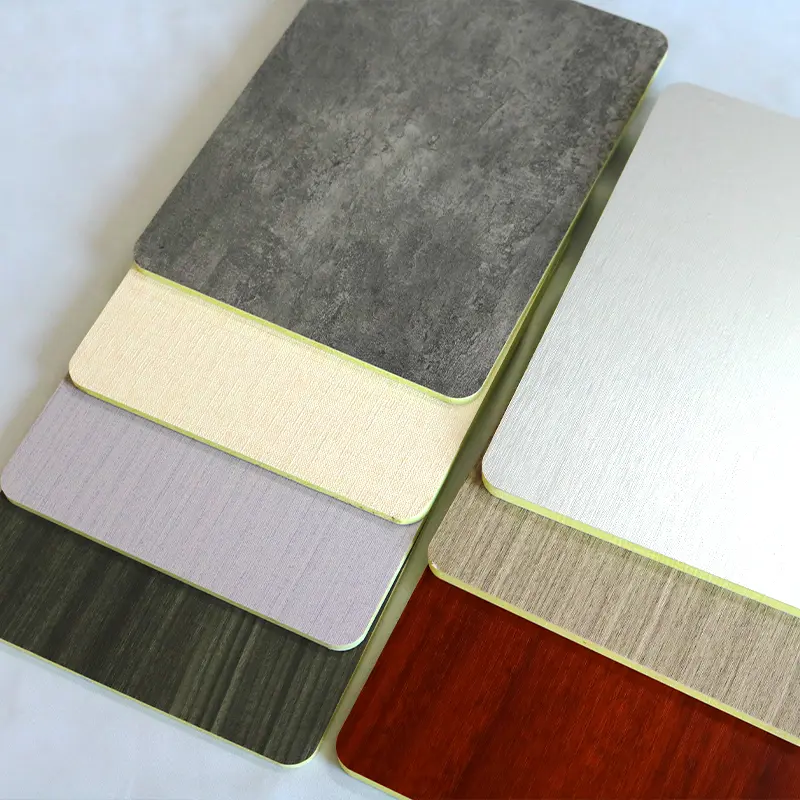
Manufactured across 12 lines within dust-free cleanrooms outputting 6 million square meters annually. High-definition natural stone patterns protected by a diamond-hard UV curing surface layer, giving exceptional scratch, stain, and impact resistance for luxury interiors.
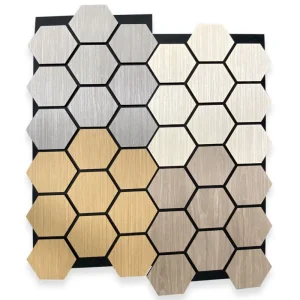
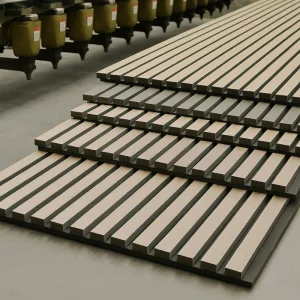
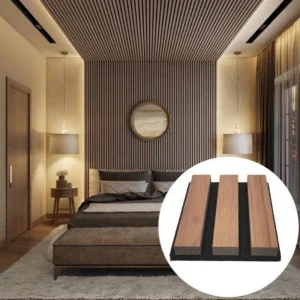
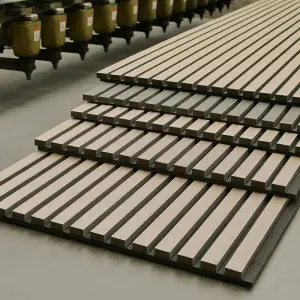
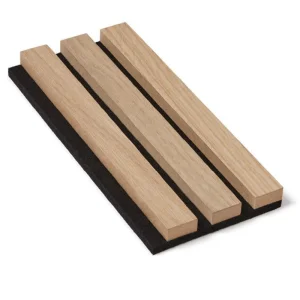
In-house precision CNC engraving and laser cutting allow for custom geometric slotted patterns. Combined with eco-friendly recycled PET acoustic felt, achieving high NRC (Noise Reduction Coefficient) ratings up to 0.85 for auditoriums, boardrooms, and home theaters.
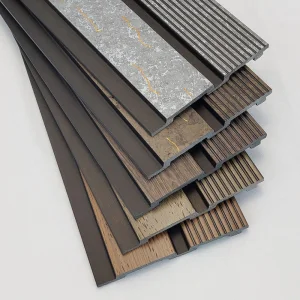
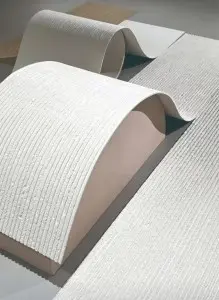
Lightweight high-rigidity structural panels featuring custom grooving for seamless installation. Ideal for curved wall applications, feature walls, and commercial retail interior fit-outs requiring quick assembly and low structural loads.
Comprehensive List of Certified WPC, Acoustic, SPC, and Decorative Panel Variations
Preserving exact resource links and secondary media assets for technical specification cross-referencing:
Ensuring ISO9001, CE, ASTM, and Intertek Certified Excellence for International Supply Chains
Sourcing composite decking ("Dek Komposit") directly from factory headquarters in China requires strict adherence to international procurement benchmarks. Linyi Rich New Materials Co., Ltd. provides global buyers, procurement officers, and real estate developers with a standardized factory-direct verification workflow:
Prior to containerization and overseas freight loading, every batch of WPC profiles undergoes five core laboratory test procedures:
Logistical packaging is engineered to maximize container volume utilization while protecting profile edges. High-density wooden pallets reinforced with plastic corner guards and thermal shrink-wrap prevent moisture penetration during ocean transportation across tropical transit corridors.
Adapting Dek Komposit WPC Systems to Extreme Climates & High-Traffic Commercial Environments
Coastal and marine environments present severe challenges for traditional wood due to saltwater corrosion and fungal decay. Co-extruded Dek Komposit provides complete resistance to salt spray corrosion and algae buildup, maintaining slip-resistant performance around luxury swimming pools and oceanfront walkways.
High-rise exterior cladding requires lightweight materials with low thermal expansion and reliable wind-load resistance. Engineered WPC grating and louver systems provide shading, reduce indoor cooling loads, and lower building energy consumption.
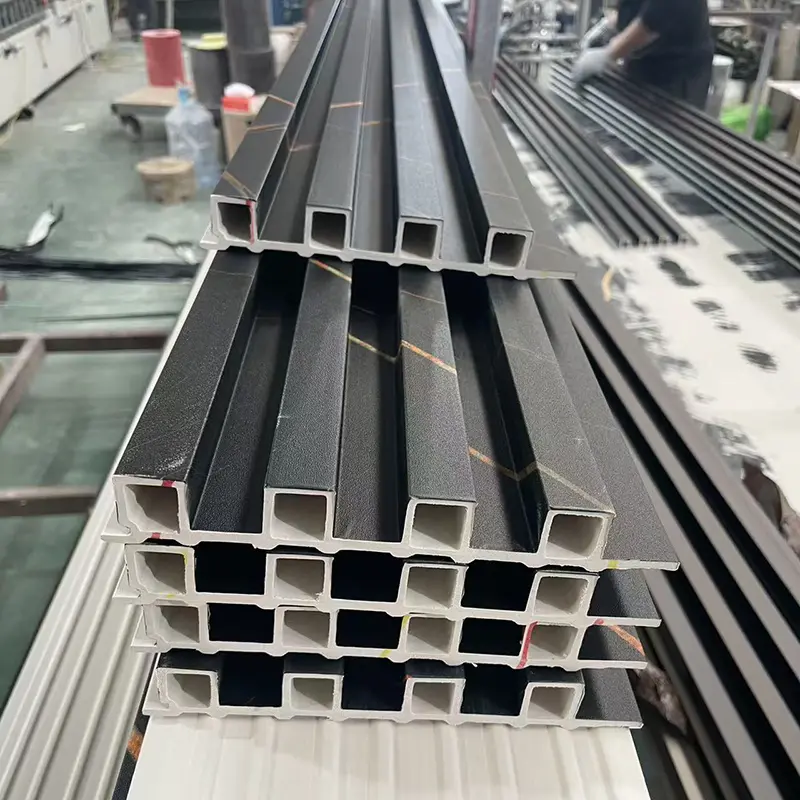
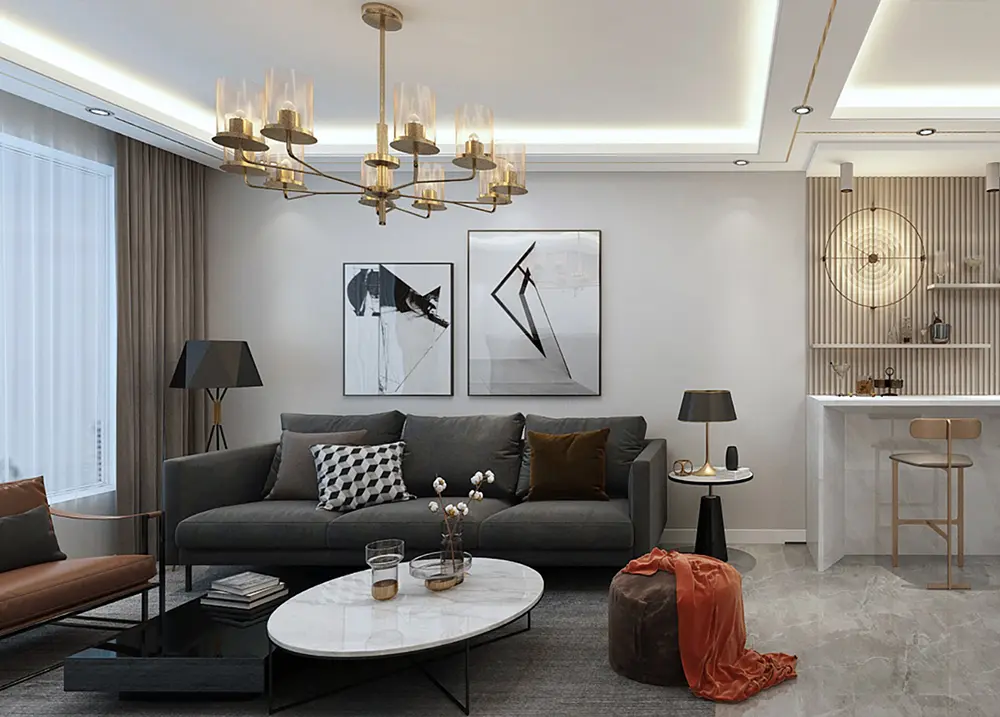
Modern luxury hotels and corporate offices require rapid interior installation with high fire ratings and acoustic control. Combining acoustic wood slat panels with high-gloss UV marble sheets creates stunning wall designs while controlling ambient sound reflection.
Bio-Polymers, Digital Automated QC, and Circular Economy Integration
The global wood-plastic composite market is undergoing a major technological shift. Driven by net-zero carbon goals, circular economy mandates, and strict European sustainability directives, manufacturing leaders are redesigning composite formulations to further reduce their environmental footprint:
Transitioning from virgin resin bases to post-consumer recycled HDPE milk jugs and industrial ocean plastics, closing the loop on municipal plastic waste while maintaining high structural performance.
Deploying automated laser sensors across continuous extrusion lines to measure wall thickness, clip-groove tolerances, and surface profile straightness down to $\pm 0.05\text{mm}$ in real time.
Replacing flat surface stamping with synchronized heat roller 3D embossing, capturing the organic grain texture and pore structure of natural hardwoods without repeating patterns.
Addressing Executive Engineering, Installation, and Factory Purchasing Inquiries
Selected High-Performance Composite & Architectural Wall Panels
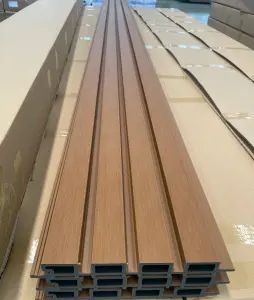
 Rich New Materials