High-performance interior and exterior wall panels designed for thermal resilience, low VOC standards, and seamless visual impact.
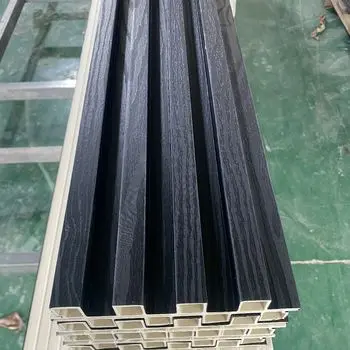
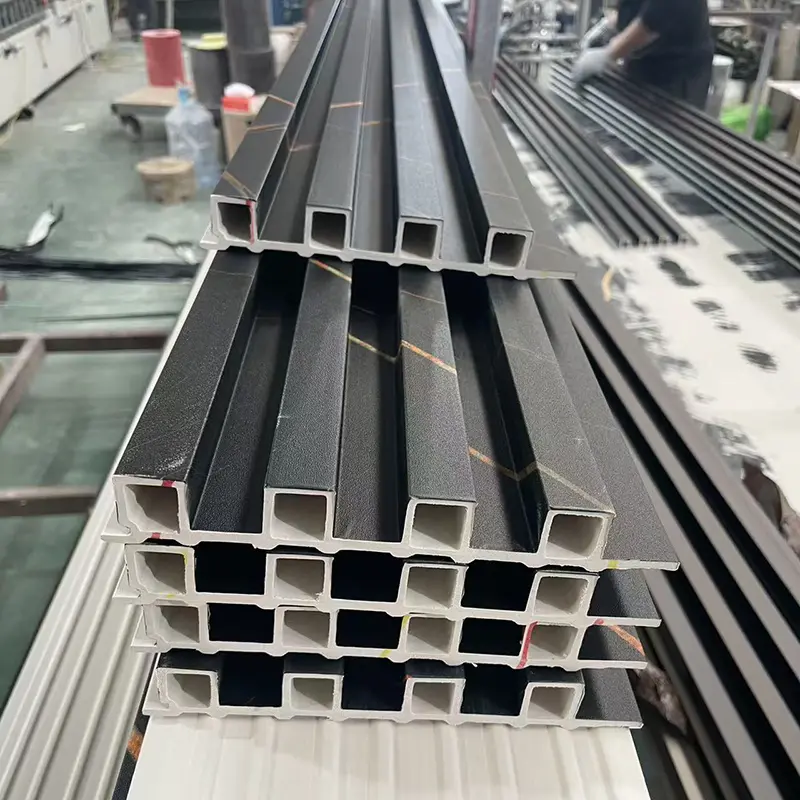
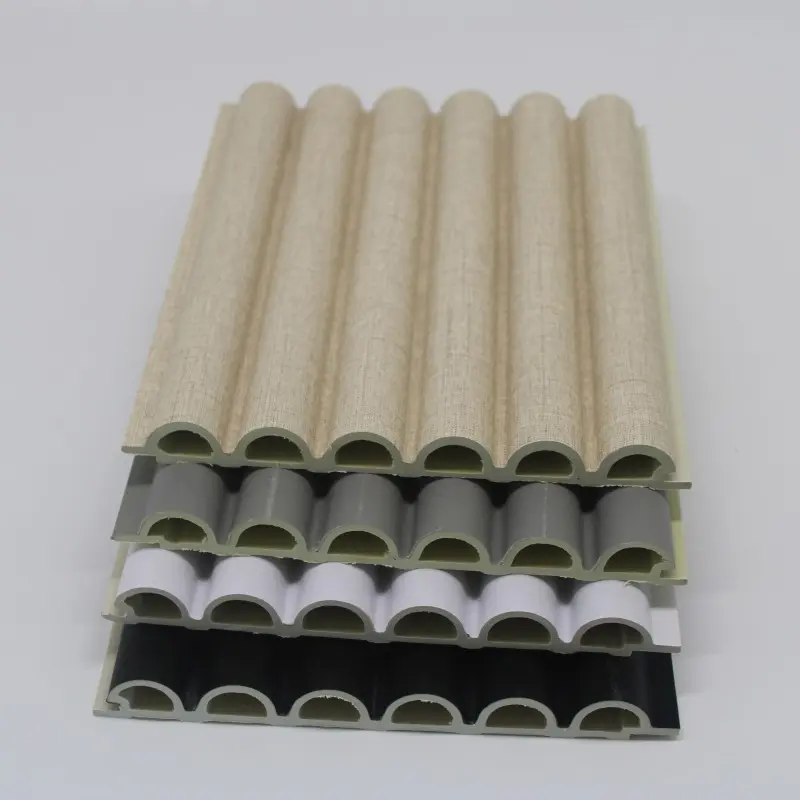
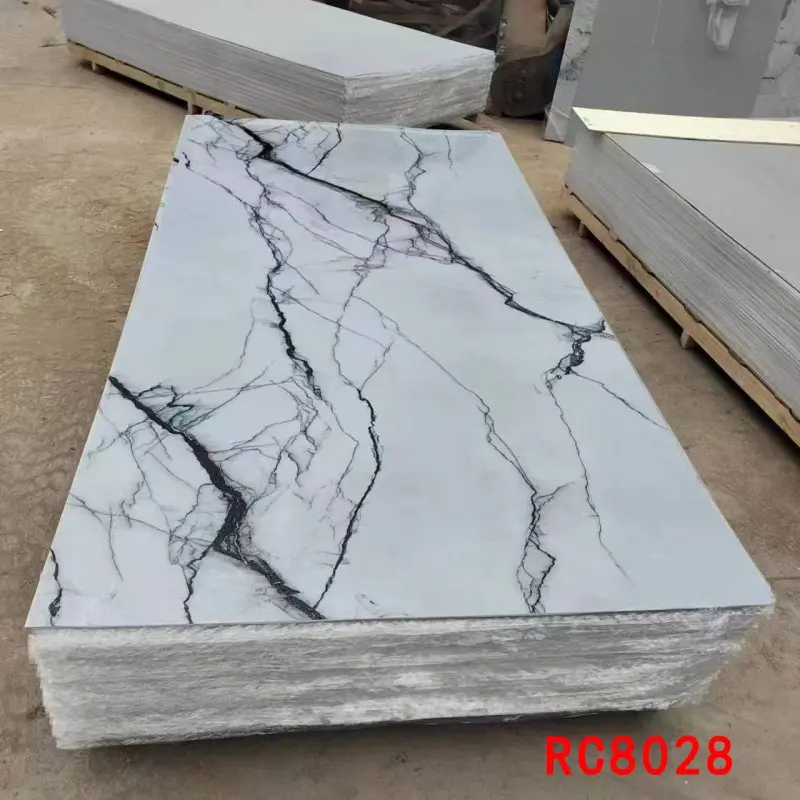
An exhaustive analysis of pyrolyzed bamboo fiber co-extrusion technology engineered for extreme climate stability and indoor air decontamination.
Linyi Rich New Materials Co., Ltd. is a modernized industrial and trading powerhouse, integrating research & development, precision manufacturing, and international supply chain operations. Dedicated to high-performance environmentally friendly building materials, our intelligent production base covers 100,000 square meters and employs over 300 senior technicians. We serve architectural firms, commercial contractors, and material importers across North America, Europe, and Asia.
Unlike conventional MDF, HPL, or standard PVC panels that suffer from delamination, warping, and off-gassing under fluctuating temperature regimes, our Bamboo Charcoal Wood Veneers utilize a thermal-bonded molecular matrix. Formed via high-temperature pyrolysis of natural moso bamboo at 800°C, the resulting activated carbon fiber is synthesized with virgin polymers to form an unyielding core structure.
Provides extreme scratch resistance, UV degradation prevention, and anti-static surface properties to eliminate dust accumulation in commercial interiors.
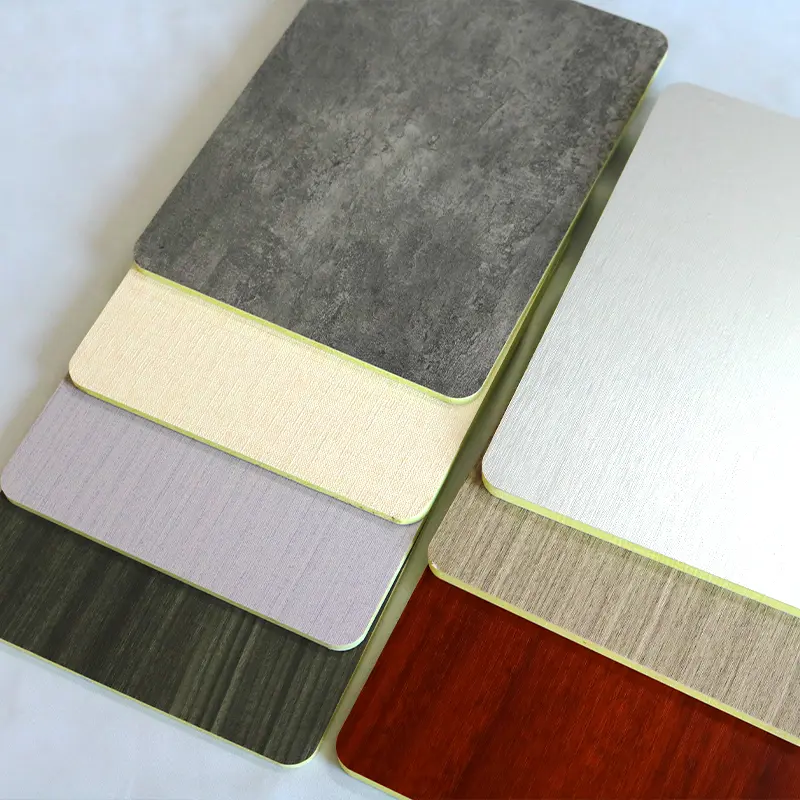
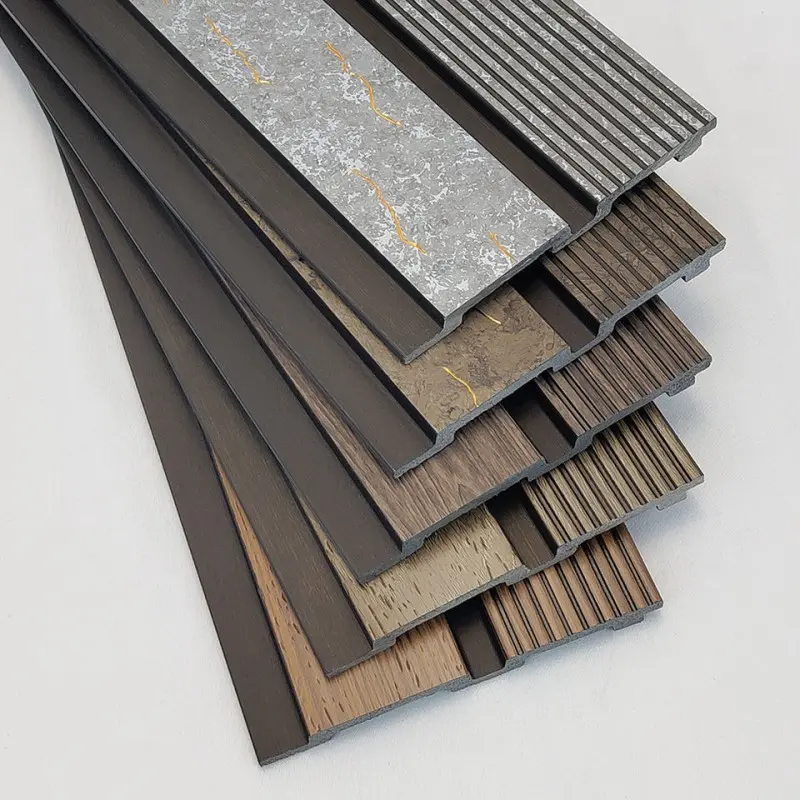
High-resolution rotogravure printing replicating ultra-realistic natural wood grain, metallic patina, or architectural concrete textures with tactile depth.
Nano-porous carbon matrix providing passive air purification, absorbing TVOCs, neutralizing formaldehyde, and maintaining micro-structural equilibrium.
Optimized for Canadian building environments—from coastal humidity in Vancouver to sub-zero freeze-thaw cycles in Toronto, Calgary, and Montreal.
Canada's severe climate conditions pose significant structural challenges for traditional interior timber cladding. Winter indoor heating creates dry ambient air (<20% RH), causing conventional wood panels to shrink, warp, and split. Conversely, summer humidity leads to swell and mold cultivation.
Linyi Rich's Bamboo Charcoal Wood Veneers solve this engineered failure mode. Utilizing a closed-cell polymer-charcoal matrix, our panels exhibit a moisture absorption coefficient below 0.02% (ASTM D570 standard), rendering them completely immune to humidity fluctuations, basement dampness, and thermal contraction.
Fully compliant with CAN/ULC-S102 Surface Burning Characteristics and Canadian Green Building Council (CaGBC) LEED v4.1 Indoor Environmental Quality criteria.
Canadian architectural specifications prioritize ultra-low VOC emissions under the CDPH Standard Method v1.2. Conventional engineered wood relies on urea-formaldehyde resins that continuously off-gas carcinogens into enclosed spaces.
Rigorous quantitative comparison demonstrating why Bamboo Charcoal Wood Veneer outperforms traditional surfacing solutions in North American building projects.
| Performance Metrics | Bamboo Charcoal Veneer | Natural Timber Veneer | Standard MDF Core | High-Pressure Laminate (HPL) |
|---|---|---|---|---|
| Formaldehyde Emission | Non-Detectable (0.00 mg/m³) | 0.05 - 0.12 mg/m³ | 0.15 - 0.50 mg/m³ (E1/E2) | 0.08 - 0.20 mg/m³ |
| Water Absorption (24h Immersion) | < 0.02% (Impervious) | 12.5% - 25.0% (Swells) | 15.0% - 35.0% (Delaminates) | 3.5% - 8.0% |
| Flame Spread Rating (CAN/ULC-S102) | Class A (FSI < 25, SDC < 50) | Class C (FSI 150-200) | Class C (FSI 120-180) | Class B or C |
| Cold-Bending Radius (V-Groove / Curve) | Seamless 90° Fold / Curved | Rigid (Requires Steam) | Brittle (Snaps easily) | Limited Radius |
| Anti-Microbial & Anti-Mold | ASTM G21 Grade 0 | Susceptible to Mold | High Mold Risk | Moderate Resistance |
| Acoustic Dampening Coefficient (NRC) | NRC 0.65 - 0.85 (Slotted) | NRC 0.15 | NRC 0.10 | NRC 0.05 |
From commercial office towers in downtown Toronto to luxury residential developments in Vancouver and Montreal.
Ideal for feature walls in Toronto financial district lobbies, hotel reception desks, and flagship retail spaces. The scratch-resistant fluorocarbon surface withstands heavy wear, while V-grooving technology enables monolithic, seamless wrapped columns and 90-degree corner joints without aluminum trim profiles.
Canadian residential basements are notoriously prone to moisture ingress and cold wall condensation. Bamboo Charcoal Veneers act as a vapor-proof barrier while introducing warm wood textures without risk of warping, dry rot, or mildew formation.
Combines sound absorption (when integrated with acoustical backing) with active air-purifying properties. Perfect for senior living facilities, medical suites, high-end dining, and wellness retreats across British Columbia and Quebec.
Direct mechanical attachment over light-gauge steel studs, plywood backing, or existing drywall.
Rear V-groove scoring allowing zero-gap outer/inner corner bends without seam tape or corner beads.
Application of low-VOC polyurethane or MS polymer structural adhesive directly to wall framing.
Tongue-and-groove or aluminum H-clip joining providing seamless visual continuity.
Operating one of Asia's largest eco-friendly material manufacturing bases equipped with automated European extrusion technology.
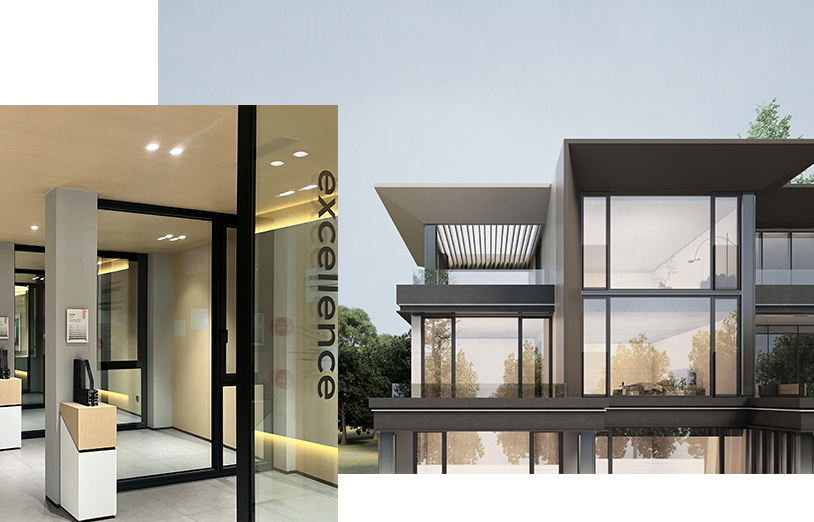
120 fully automated production lines yielding 12 million square meters annually. Combines wood aesthetics with high composite strength.
4 high-precision German-engineered extrusion lines producing 3 million square meters annually of zero-formaldehyde waterproof flooring.
40 customized lines (2 million sqm/year) specially formulated for sub-zero weatherability across North American climate zones.
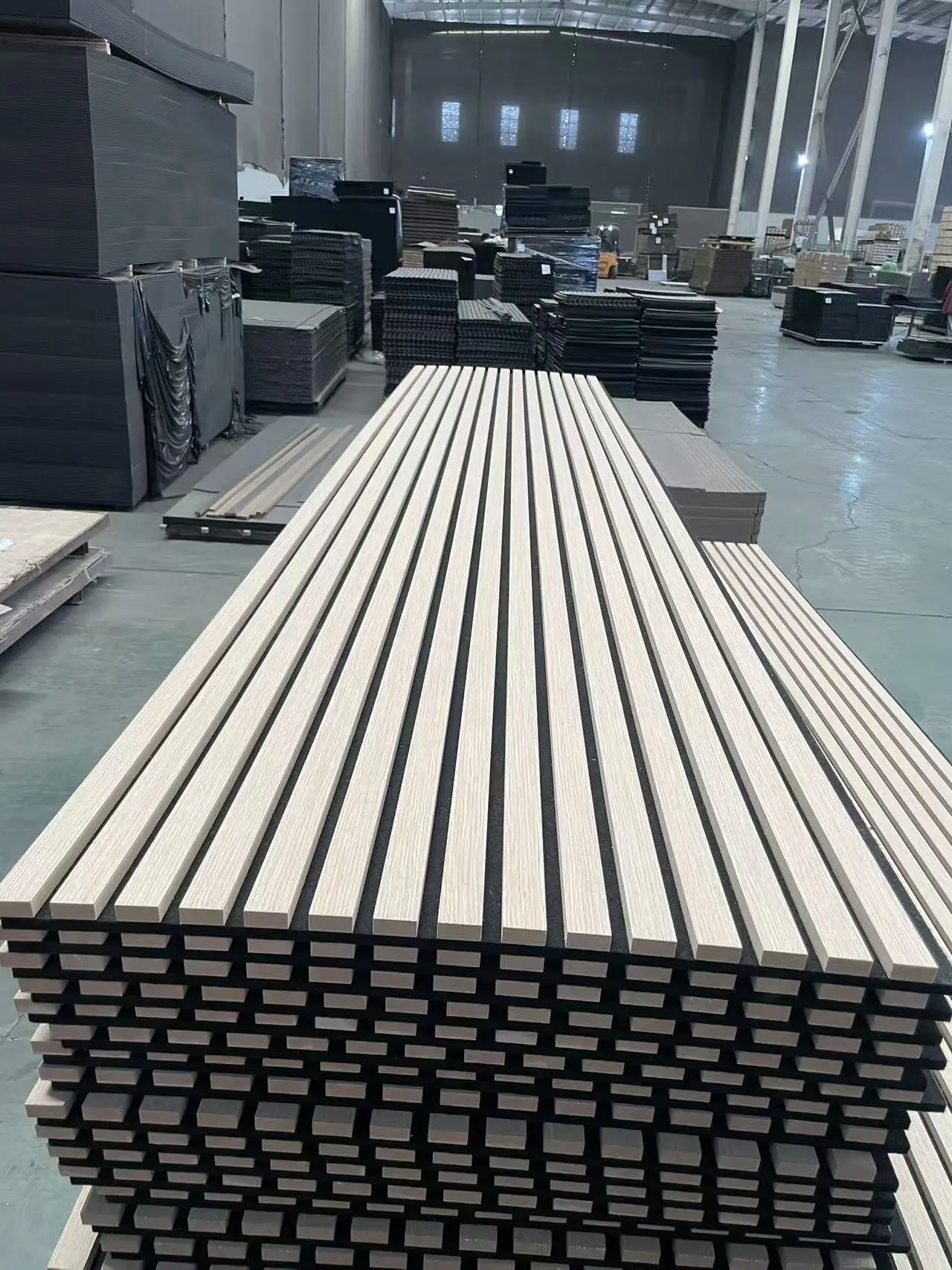
12 UV lines (6M sqm/yr) plus 6 carbon composite and acoustic lines with proprietary CNC engraving machines for custom architect-specified grooving patterns.
Addressing key architectural queries regarding specification, shipping logistics to Canadian ports, and code compliance.
Traditional wood products shrink and crack when interior heating lowers relative humidity below 20%. Bamboo charcoal wood veneers feature a hydro-stable polymer-carbon composite core with under 0.02% water absorption. This prevents moisture loss, shrinking, warping, or joint opening, guaranteeing stable seams year-round.
Yes. Our bamboo charcoal wood veneers are engineered with flame-retardant inorganic mineral compounds, achieving Class A / B1 fire performance standards. They resist flame spread and emit minimal smoke, making them fully compliant for installation in multi-family residential towers, hotels, and corporate offices across Canada.
We provide full-service FOB, CIF, or DDP shipping to major Canadian ports including Vancouver, Montreal, and Halifax. Factory production lead time is typically 10 to 15 days, with ocean freight taking 18–25 days to Vancouver or 30–35 days to Eastern ports. We supply complete customs documentation (Form A, Commercial Invoice, Packing List, Mill Test Certificates).
Absolutely. One of the core technical advantages of bamboo charcoal co-extruded veneer is its high flexibility. By scoring the back with a standard 90° V-groove router bit, the panel can be cleanly folded into seamless sharp corners or wrapped around continuous curved pillars without cracking the decorative face layer.
Factory-direct supply for Canadian distributors, contractors, and design professionals.
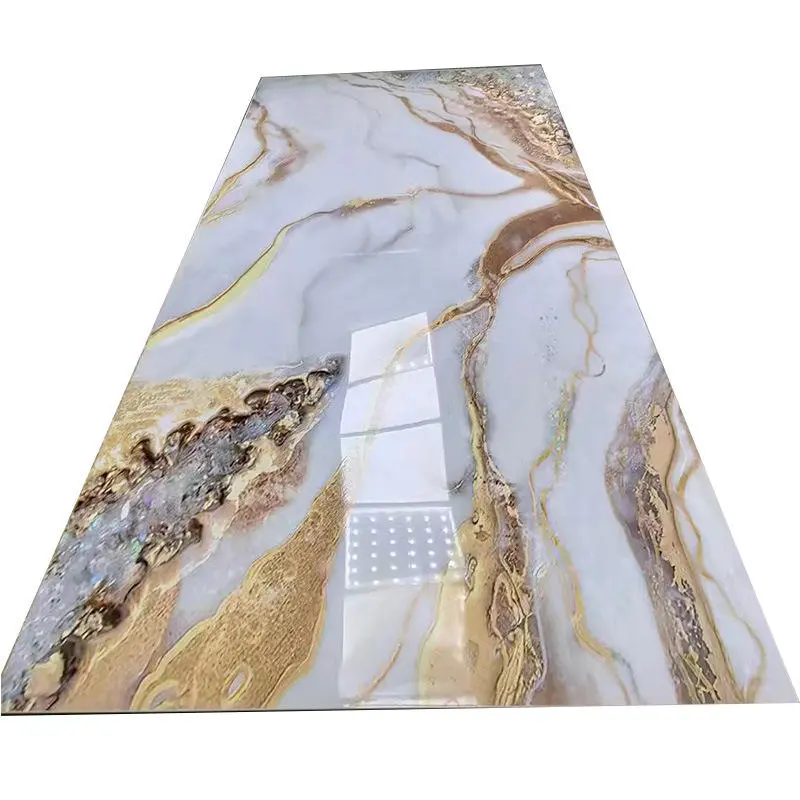
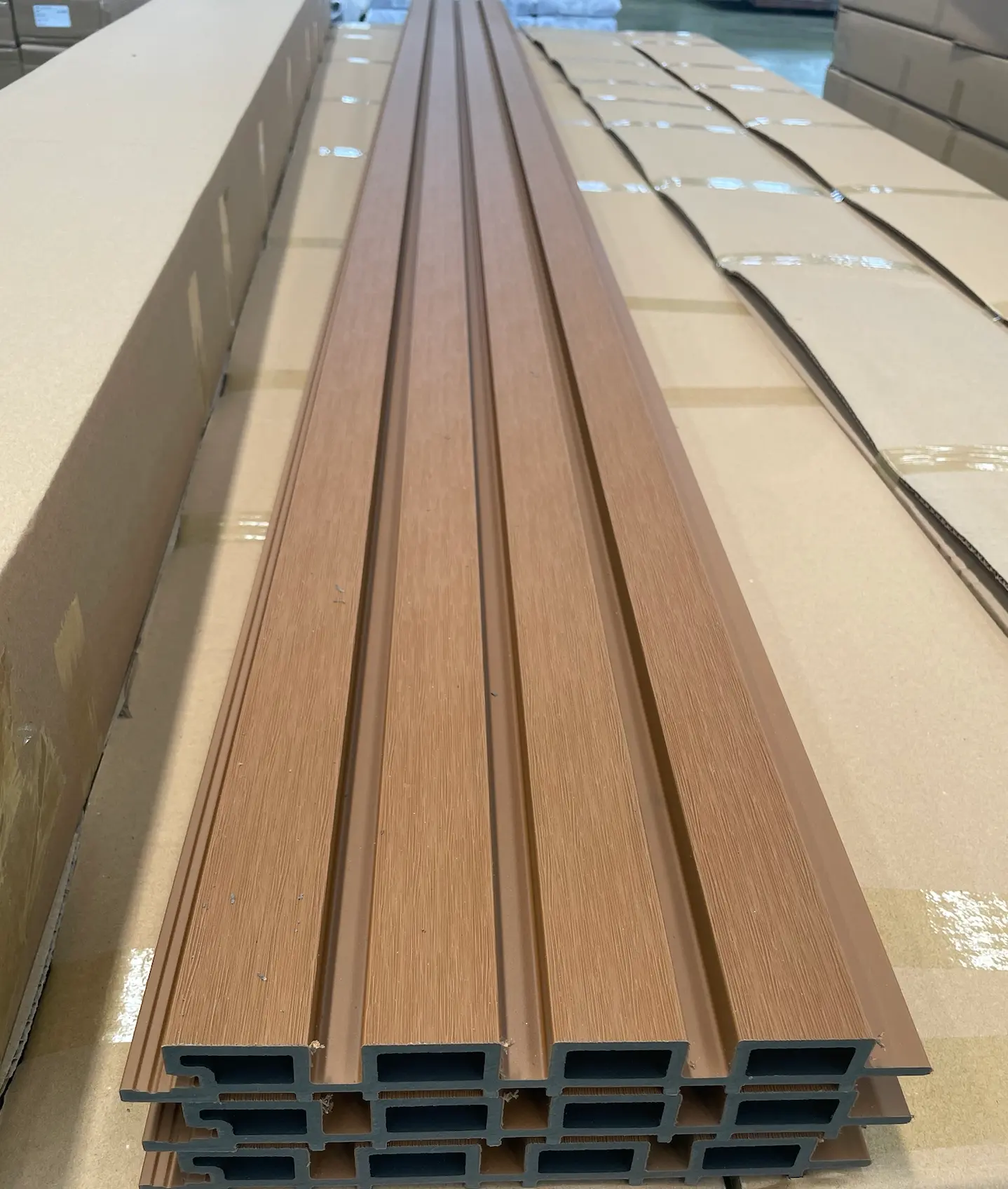
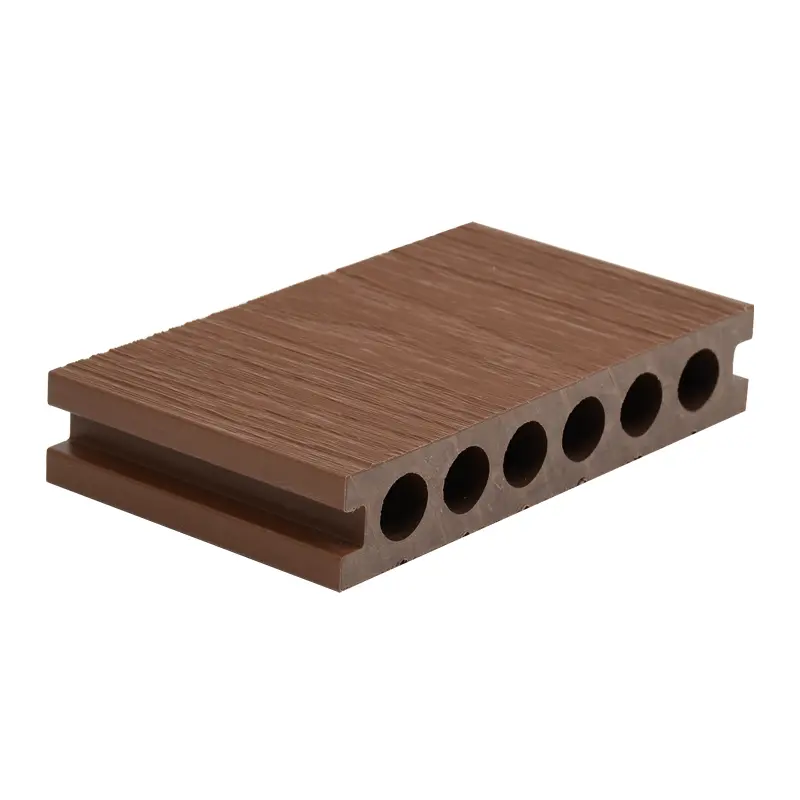
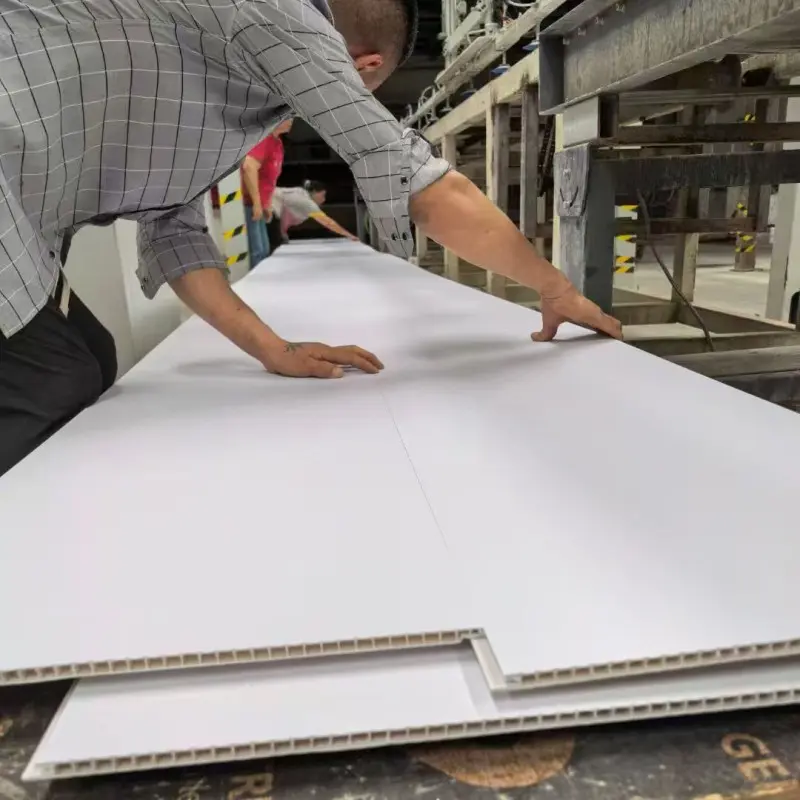
Connect with our technical sales engineers to discuss project specifications, custom sizing, volume factory-direct pricing, and Canadian container shipping schedules.
Send Inquiry Now Rich New Materials