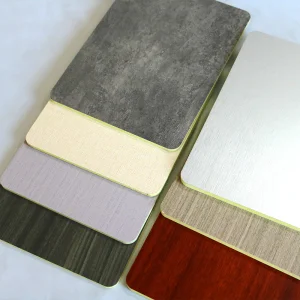
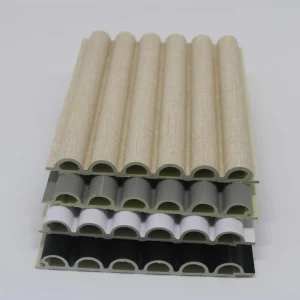
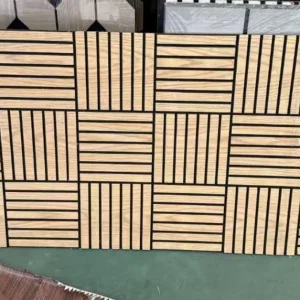
The international building envelope and interior lining market is undergoing a structural transition from traditional Medium-Density Fiberboard (MDF) and high-pressure laminates (HPL) toward bio-based carbon-composite matrices. Accelerated by global net-zero targets, architects are rejecting petroleum-derived polymers in favor of bamboo-charcoal polymer composite cores. Activated bamboo charcoal, produced via high-temperature vacuum pyrolysis (800°C–1000°C), creates a cellular, micro-porous structure that acts as a natural carbon sink while delivering unrivaled dimensional stability, moisture impermeability, and electromagnetic wave attenuation.
In France, the enforcement of Réglementation Environnementale 2020 (RE2020) has fundamentally redefined structural and interior material procurement. RE2020 enforces strict life-cycle carbon footprint thresholds (FDES - Fiches de Déclaration Environnementale et Sanitaire) alongside stringent indoor air quality mandates. Traditional wood veneers bonded with urea-formaldehyde resins fail the Émissions dans l'air intérieur Class A+ standards. Bamboo charcoal wood veneers solve this bottleneck by utilizing solvent-free PUR co-extrusion technology, delivering formaldehyde emissions far below EU detection thresholds (<0.005 mg/m³).
France presents diverse microclimates: from the humid oceanic exposure of Brittany and Normandy to the dry Mediterranean summer heat in Provence-Alpes-Côte d'Azur, and the freeze-thaw cycles of the French Alps. Standard wood products warp, swell, or delaminate under relative humidity fluctuations exceeding 65%. Bamboo charcoal wood veneers exhibit a volumetric water absorption rate of <0.15% after 28 days of immersion, offering zero hygrometric swelling and immune performance against fungal decay, making them the preferred substrate for Parisian Haussmannian apartment renovations, coastal resorts, and alpine chalets alike.
Public Access Buildings (ERP - Établissements Recevant du Public) in France, including luxury boutique hotels, corporate headquarters in La Défense, and healthcare facilities, demand rigorous compliance with EN 13501-1 fire safety protocols. Our engineered bamboo charcoal veneer panels achieve Euroclass B-s1, d0, proving virtually non-combustible with minimal smoke development and zero flaming droplets, giving French specification engineers maximum regulatory safety clearance.
Linyi Rich New Materials Co., Ltd. is a modernized industrial powerhouse integrating advanced R&D, high-precision manufacturing, and global direct supply chain infrastructure. Dedicated to pioneering next-generation eco-friendly building materials, our 100,000 square meter intelligent manufacturing hub operates under strict ISO 9001 and ISO 14001 quality management systems, serving tier-1 contractors, interior architectural firms, and wholesale distributors in France and over 100 countries globally.
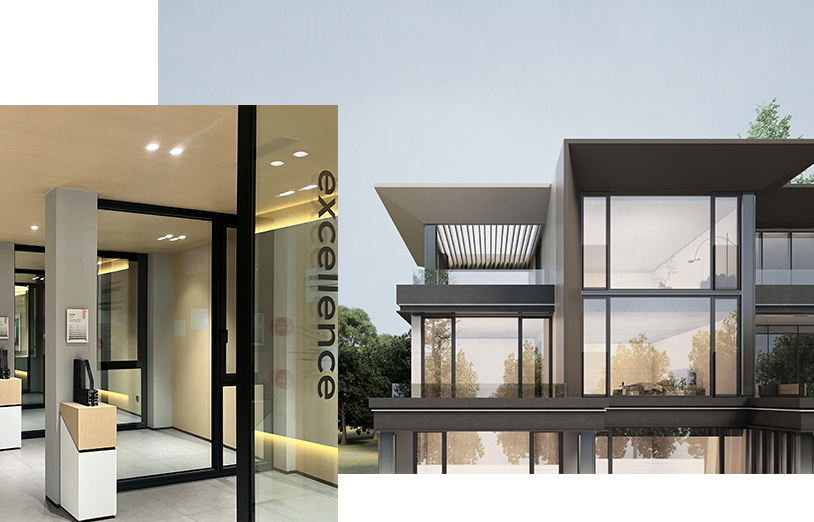
The core innovation of our Bamboo Charcoal Wood Veneers lies in the microscopic matrix fusion of pyrolyzed bamboo carbon with high-density poly-vinyl polymers. Unlike conventional MDF, particleboard, or standard PVC panels, the inclusion of bamboo charcoal activated micro-pores creates a multi-functional material engine within every wall panel.
| Technical Property | Test Standard / Method | Performance Value |
|---|---|---|
| Core Density | ISO 1183-1 | 1.45 - 1.55 g/cm³ |
| Fire Reaction Rating | EN 13501-1 (Euroclass) | Class B-s1, d0 |
| Formaldehyde Emission | EN 717-1 / Émissions A+ | < 0.005 mg/m³ (Undetectable) |
| Water Absorption (28 Days) | ISO 62 | < 0.12% (Zero Swelling) |
| Flexural Modulus | ISO 178 | ≥ 3200 MPa |
| Thermal Conductivity | EN 12667 | 0.068 W/(m·K) |
| Surface Scratch Resistance | EN 438-2 | Grade 4 (High Wear Resistant) |
Modernizing historic apartments in Paris requires ultra-lightweight, high-durability paneling that avoids structural load penalties while respecting aesthetic heritage. Our flexible bamboo charcoal veneers allow curved seamless wrapping around ornate columns, arched doorways, and acoustic partition walls, matching luxury oak, walnut, or marble textures without heavy stone or timber weight.
Luxury hotels, beach clubs, and high-traffic retail spaces in Cannes, Nice, and Saint-Tropez suffer intense UV exposure and high coastal ambient moisture. Our UV-cured anti-scratch surface coatings paired with water-impermeable bamboo charcoal cores eliminate fading, salt-spray corrosion, and warping, drastically lowering maintenance lifecycle costs.
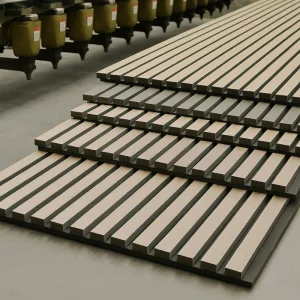
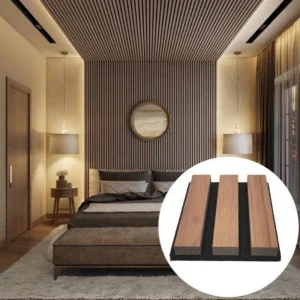
Corporate interior specifications in France prioritize employee health, acoustic isolation, and LEED/BREEAM green building points. Our acoustic slat wood paneling and carbon-composite wall linings absorb mid-to-high frequency office reverberations, satisfying French workplace ergonomic laws (Code du travail) and creating peaceful workspace environments.
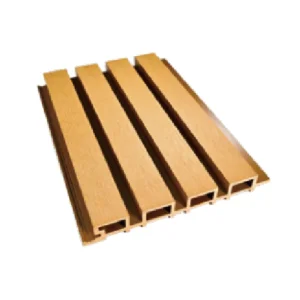
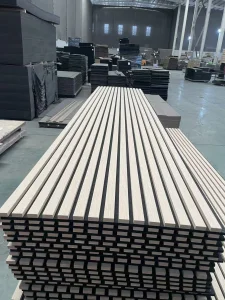
Operating 120 fully automated lines producing 12 million square meters annually. Combines warm wood aesthetics with rot-proof eco-composites, extensively specified for commercial wall feature partitions and residential feature backdrops.
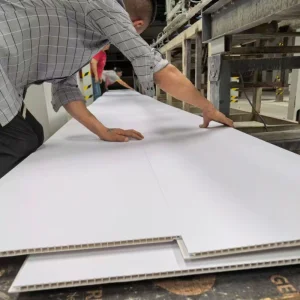
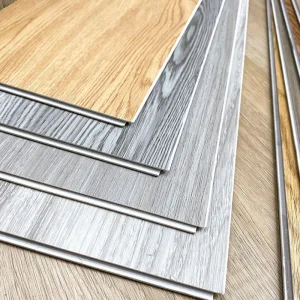
Powered by 4 high-precision extrusion setups yielding 3 million square meters per year. Features stone-plastic composite rigid cores, 100% waterproof capabilities, IXPE acoustic underlayment, and zero-formaldehyde emission profiles.
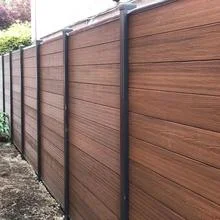
Utilizing 40 specialized extreme-weather lines yielding 2 million square meters. Engineered for alpine freeze-thaw cycles and Mediterranean heat, backed by 25-year structural anti-weathering warranties.
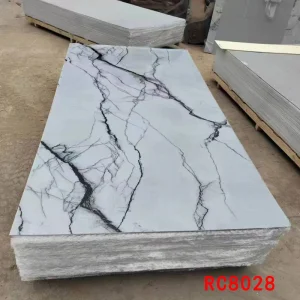
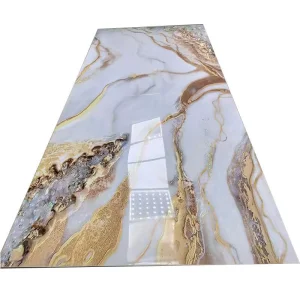
Supported by 12 dust-free UV coating automated lines yielding 6 million square meters. Replicates natural Italian marbles and quartzite at a fraction of weight and cost, certified fire-resistant and stain-proof.
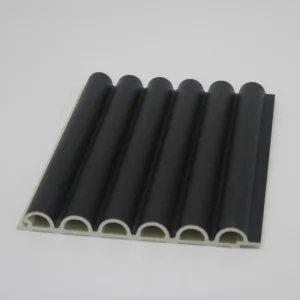
6 dedicated high-end lines producing 1 million square meters annually. Equipped with custom CNC grooving and V-fold capabilities for seamless 90-degree corner bending and architectural column wraps.
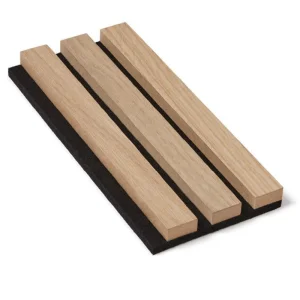
In-house precision automated slitting and acoustic felt heat-bonding systems. Delivers NRC ratings up to 0.85, meeting stringent European architectural acoustic engineering benchmarks.
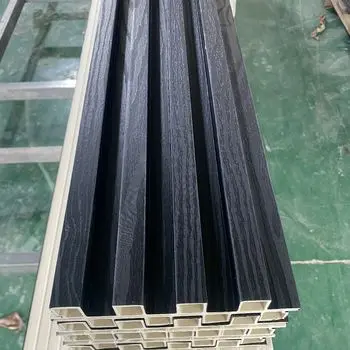
High-Density WPC Wall Panel
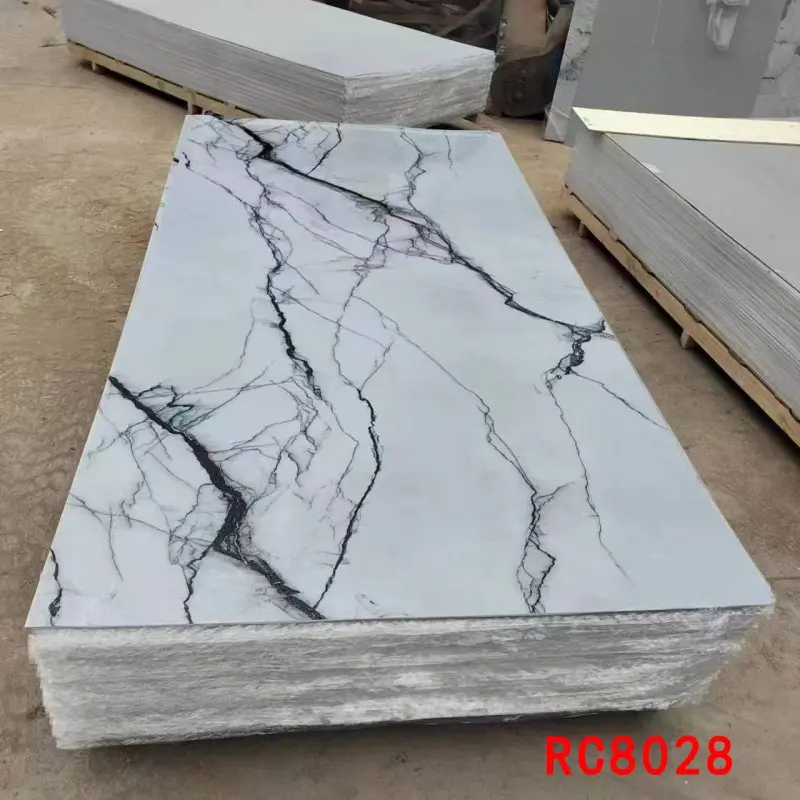
UV Coating Marble Sheets
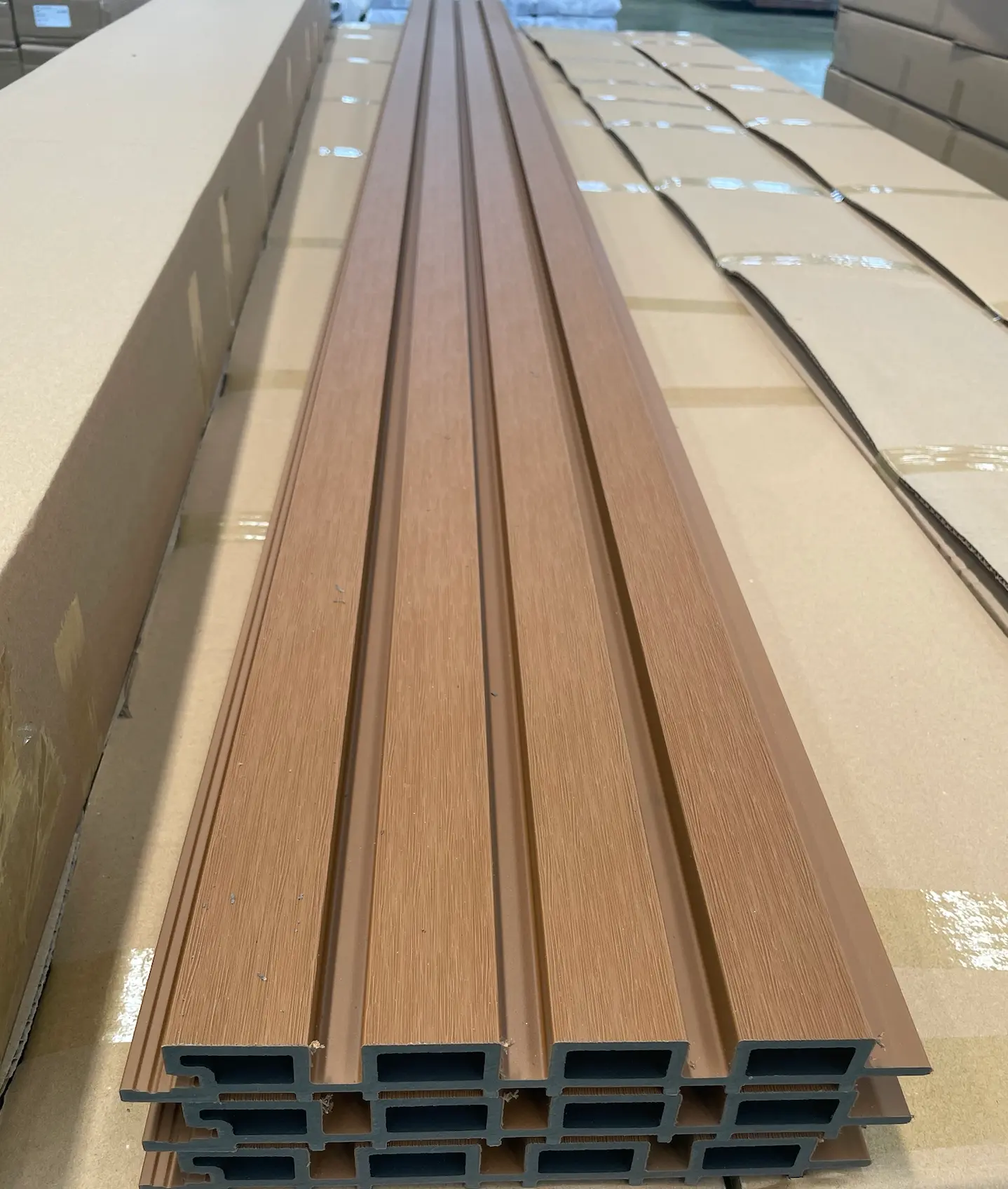
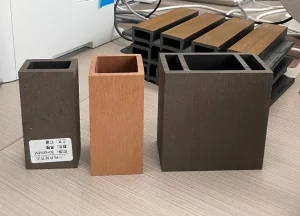
Exterior Composite Cladding
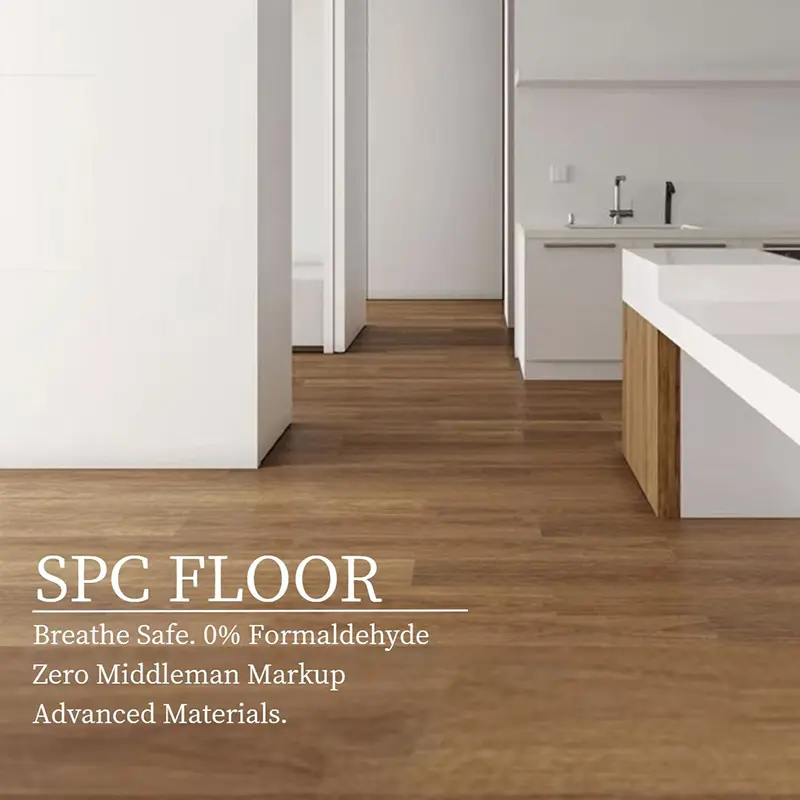
Waterproof SPC Rigid Flooring
Integration of microscopic polyurethane thermal-repair polymers allowing micro-scratches on wood veneer surfaces to self-heal upon exposure to mild heat, extending product lifespan in high-traffic French commercial venues.
Transitioning core matrix binding agents from traditional polymers to lignin-derived plant-based bio-resins, reducing embodied product carbon by an additional 42% to exceed anticipated RE2030 French carbon quotas.
Embedding printed carbon-nanotube conductive layers into bamboo charcoal substrates for low-voltage radiant wall heating and integrated structural health monitoring in smart building envelopes.
Equip your next commercial or residential architectural build with RE2020-compliant, high-density Bamboo Charcoal Wood Veneers. Contact our engineering support team for direct container pricing, custom surface swatches, and technical specification dossiers.
Send Inquiry Now Rich New Materials