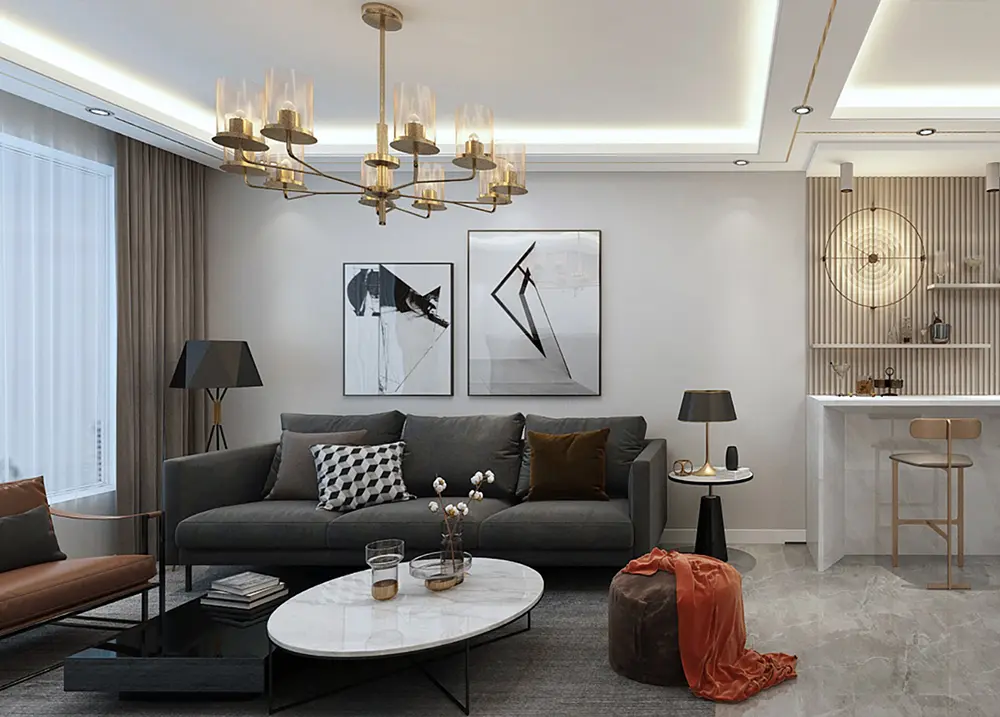
Explore our premium architectural panels manufactured under strict ISO9001 and European environmental compliance.
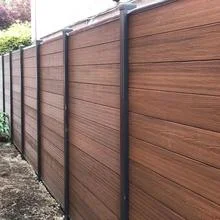
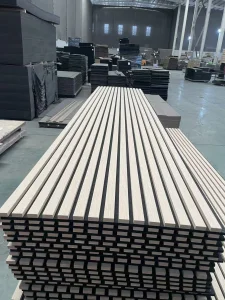
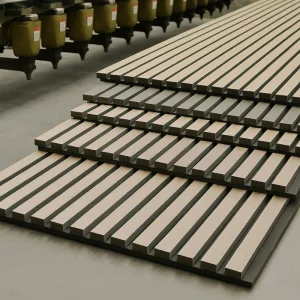
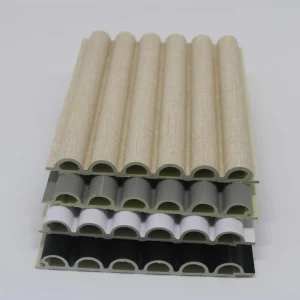
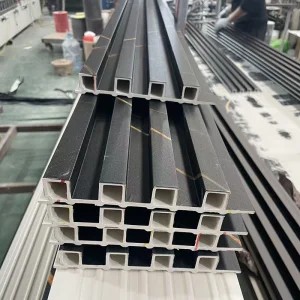
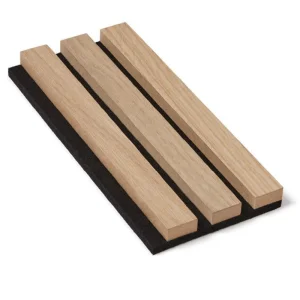
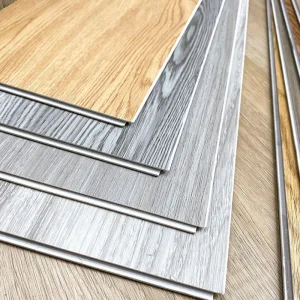
The global architectural and building materials landscape is undergoing a systemic paradigm shift. Across Europe, North America, and emerging markets, the traditional reliance on harvested timber, high-maintenance stone, and non-recyclable synthetics is being actively dismantled. In its place, engineered composite systems—specifically Pannelli in WPC (Wood-Plastic Composite Panels)—have risen as the benchmark solution for sustainable interior decoration and resilient exterior cladding.
Search query modeling and procurement intent analytics reveal that global sourcing directors, project architects, and wholesale distributors are no longer searching merely for "composite boards." They seek technologically advanced, low-carbon footprint, dimensionally stable WPC systems capable of fulfilling stringent building codes (such as EN 13501-1 Fire Classification and REACH chemical safety standards) while dramatically compressing lead times and installation costs.
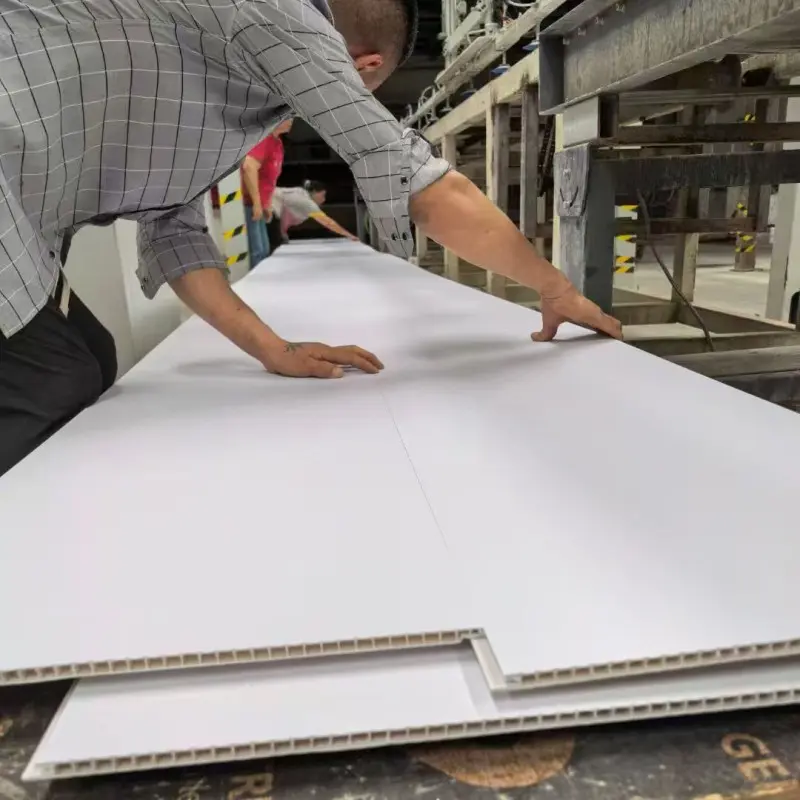
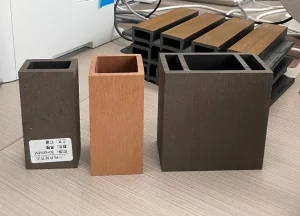
Dual-layer co-extrusion technology seals the inner wood-polymer core within a 360-degree protective fluorocarbon polymer shell, offering total UV immunity and hydrophobic performance.
Composed of recycled hardwood flour and bio-compatible polymers, our Pannelli In WPC products assist developers in gaining LEED and BREEAM green building certifications.
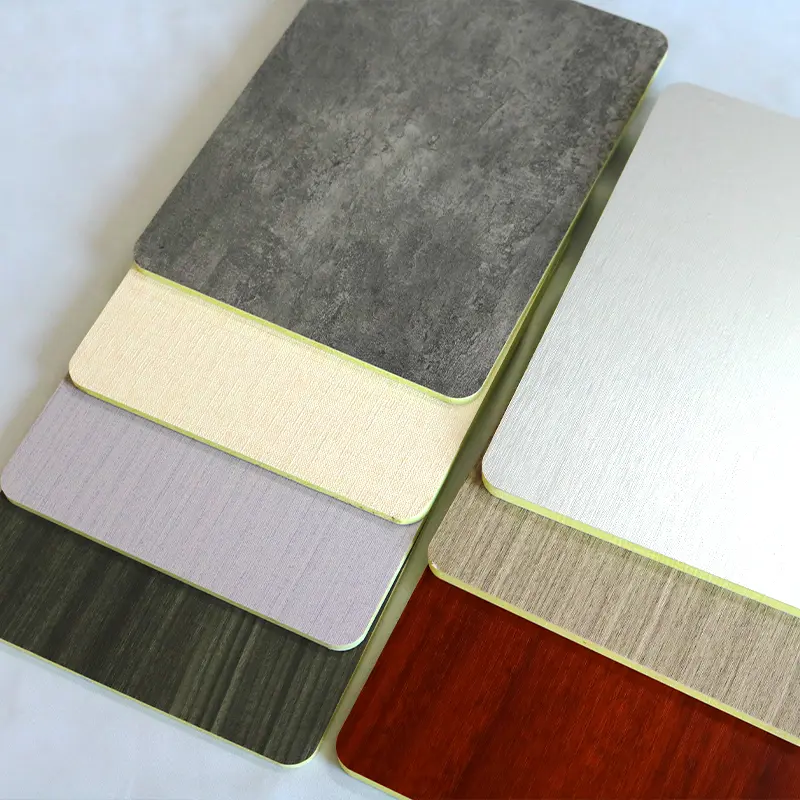
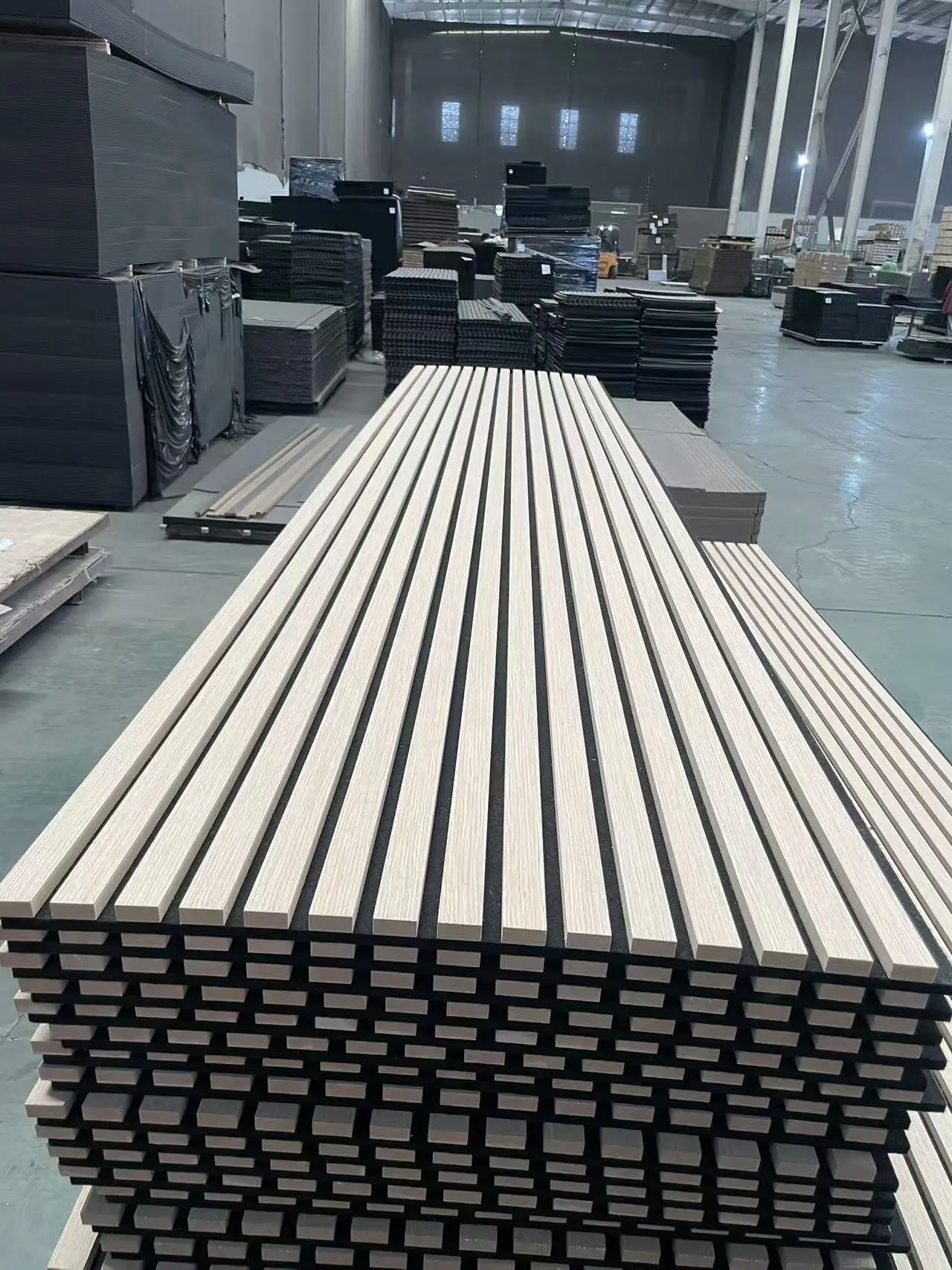
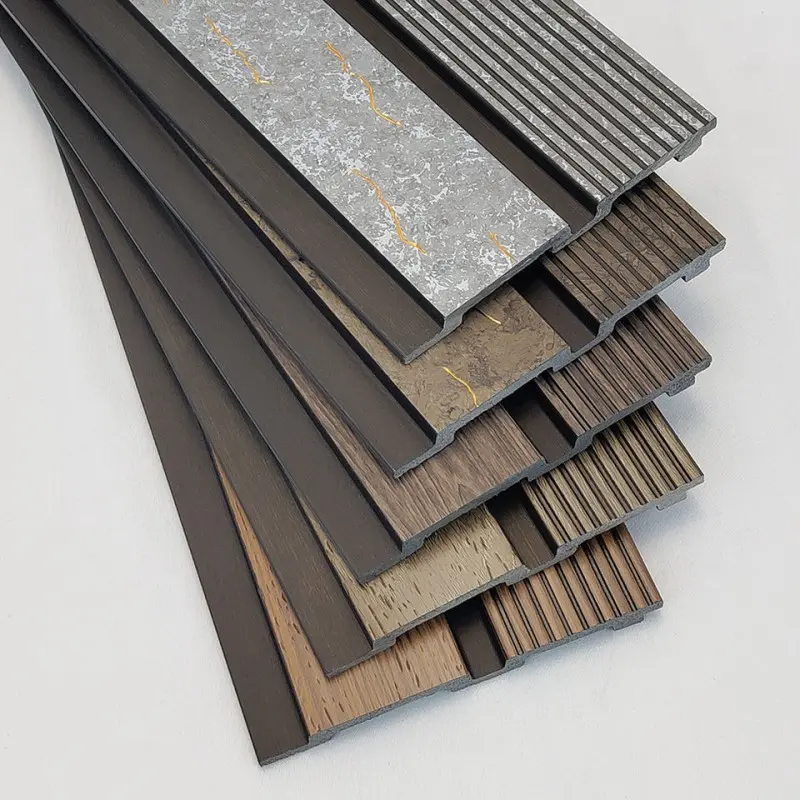
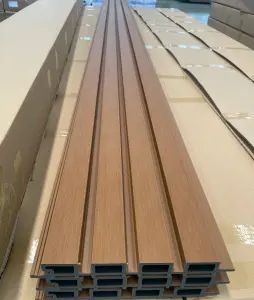
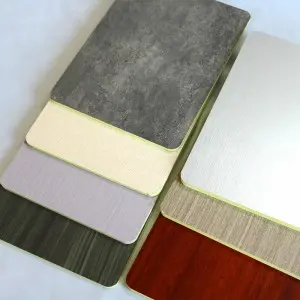
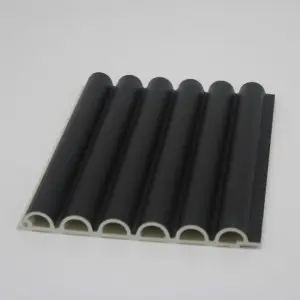
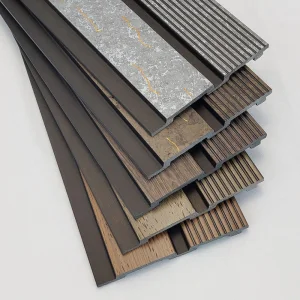
From indoor fluted acoustic wall slats and heavy-duty outdoor decking to UV-cured decorative sheets and lightweight PS profiles, our modular engineering meets all spatial requirements.
At Linyi Rich New Materials Co., Ltd., we operate at the epicenter of China’s advanced wood-plastic manufacturing hub in Shandong Province. By integrating industrial IoT, automated gravimetric dosing, and real-time laser profile monitoring, we deliver unmatched production scalability and precise quality control.
Unlike low-cost regional manufacturers who compromise composite density with unrefined calcium powder fillers, our material formulations strictly enforce precise polymer-to-fiber ratios. Recycled High-Density Polyethylene (HDPE) or Rigid Polyvinyl Chloride (PVC) is fused with ultra-fine, oven-dried 80-mesh hardwood fiber flour. Added to this matrix are proprietary processing aids: organotin heat stabilizers, coupling agents (Maleic Anhydride Grafted Polyethylene), and BASF UV-absorbers.
The outcome is a dense material profile ($1.35 - 1.45 \text{ g/cm}^3$) that completely eliminates internal voids, prevents micro-cracking, and guarantees exceptional screw-holding force during architectural installation.
Data-driven engineering performance of Linyi Rich New Materials WPC products validated through third-party SGS and Intertek testing protocols.
| Physical / Mechanical Property | Testing Standard Reference | Performance Value / Metric | Architectural Engineering Benefit |
|---|---|---|---|
| Material Density | ASTM D792 / ISO 1183 | 1.35 g/cm³ - 1.45 g/cm³ | High structural integrity, solid sound absorption, premium feel |
| Water Absorption Rate | EN 317 (24h Immersion) | < 0.5% (Impermeable) | Zero swelling, rot-proof, ideal for high-humidity & coastal zones |
| Flexural Modulus / Strength | EN ISO 178 | ≥ 3,500 MPa / ≥ 28.5 MPa | Exceptional load-bearing capacity without bending or sagging |
| Fire Reaction Rating | EN 13501-1 / GB 8624 | B1 - s1, d0 (Flame Retardant) | Self-extinguishing, low smoke generation, compliant with public safety |
| Formaldehyde Emission | EN 717-1 / ISO 16000 | E0 Grade / Non-Detectable (ND) | Zero toxic off-gassing, safe for hospitals, schools, and homes |
| Thermal Expansion Coeff. | ASTM D696 | < 3.5 × 10⁻⁵ / °C | Minimal expansion/contraction across extreme temp (-40°C to +60°C) |
| UV Weathering Resistance | ISO 4892-2 (2000 Hours) | Grey Scale Rating 4-5 | No structural degradation, minimal fading under direct sunlight |
How global contractors, interior designers, and commercial buyers leverage Pannelli in WPC across diverse environments.
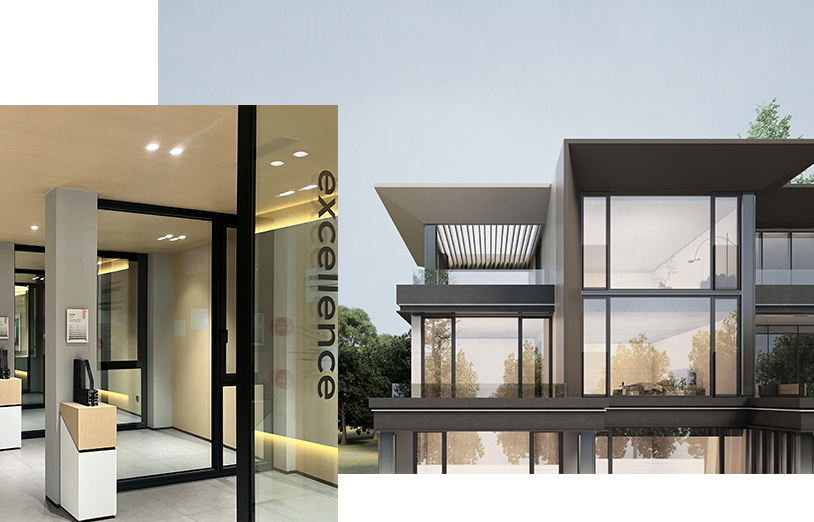
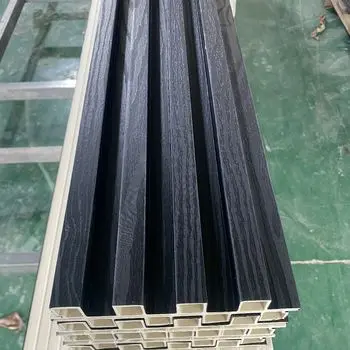
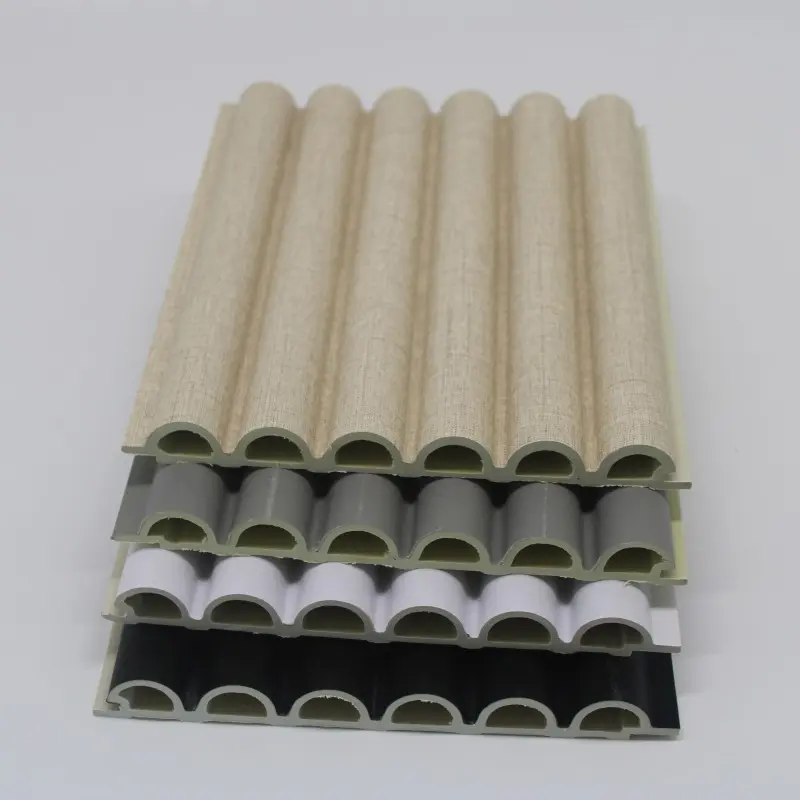
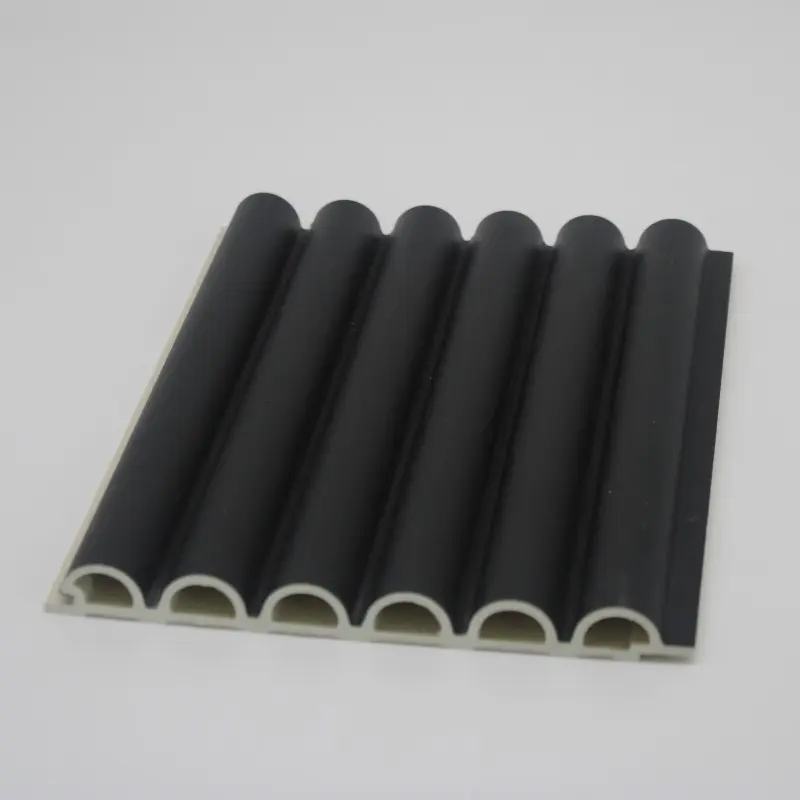
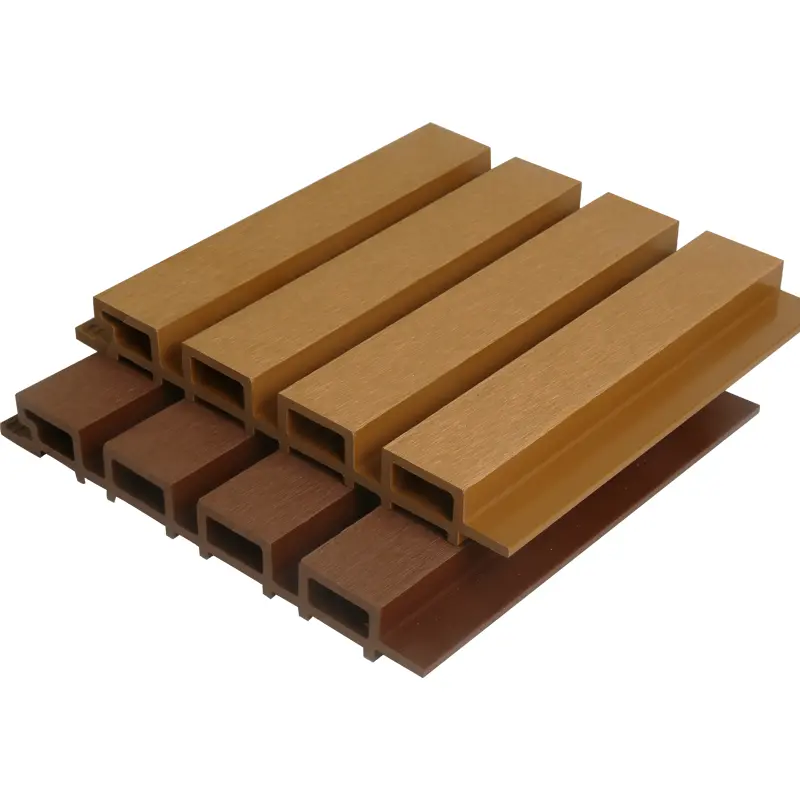
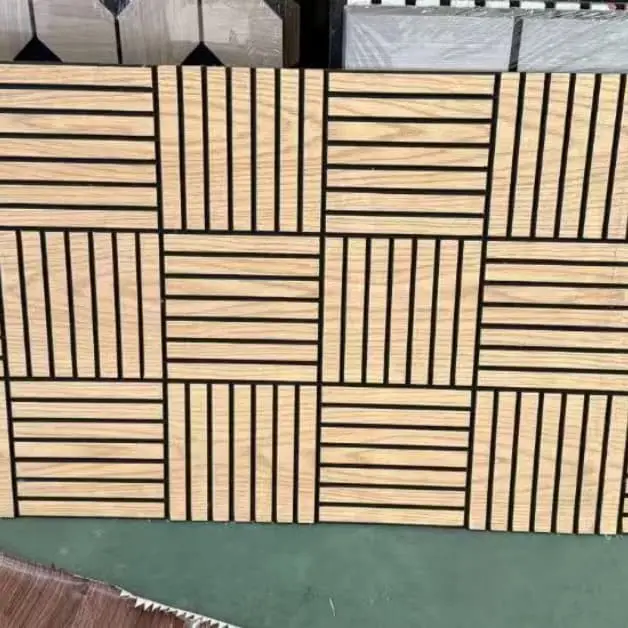
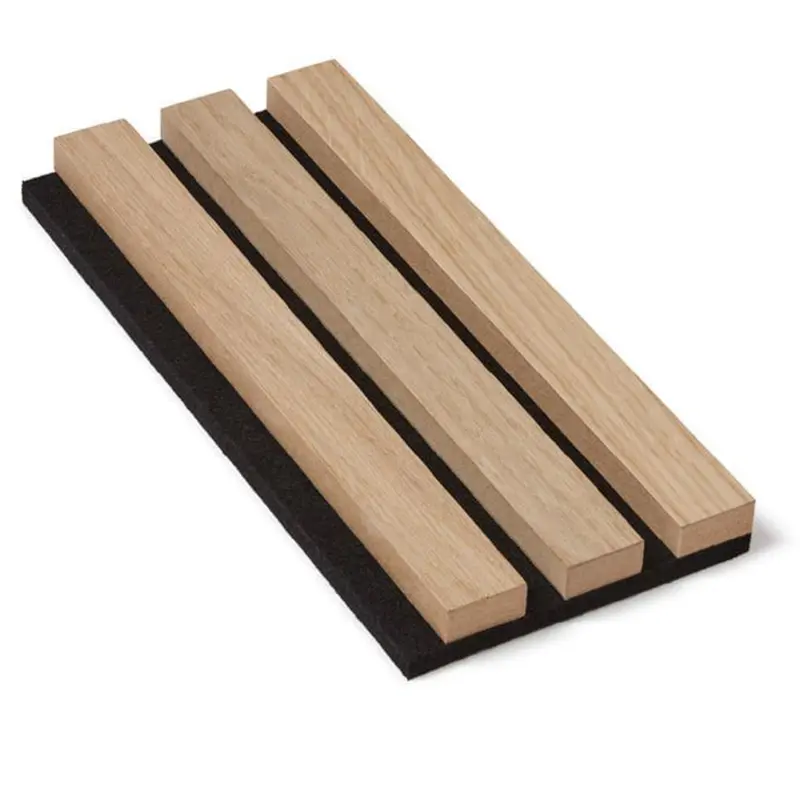
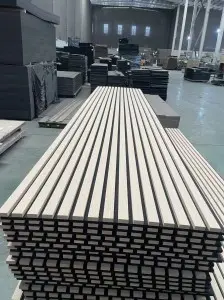
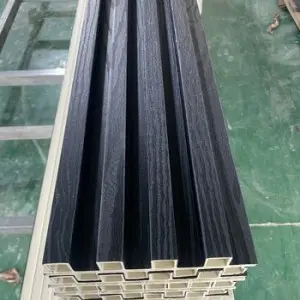
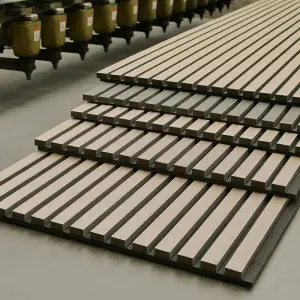
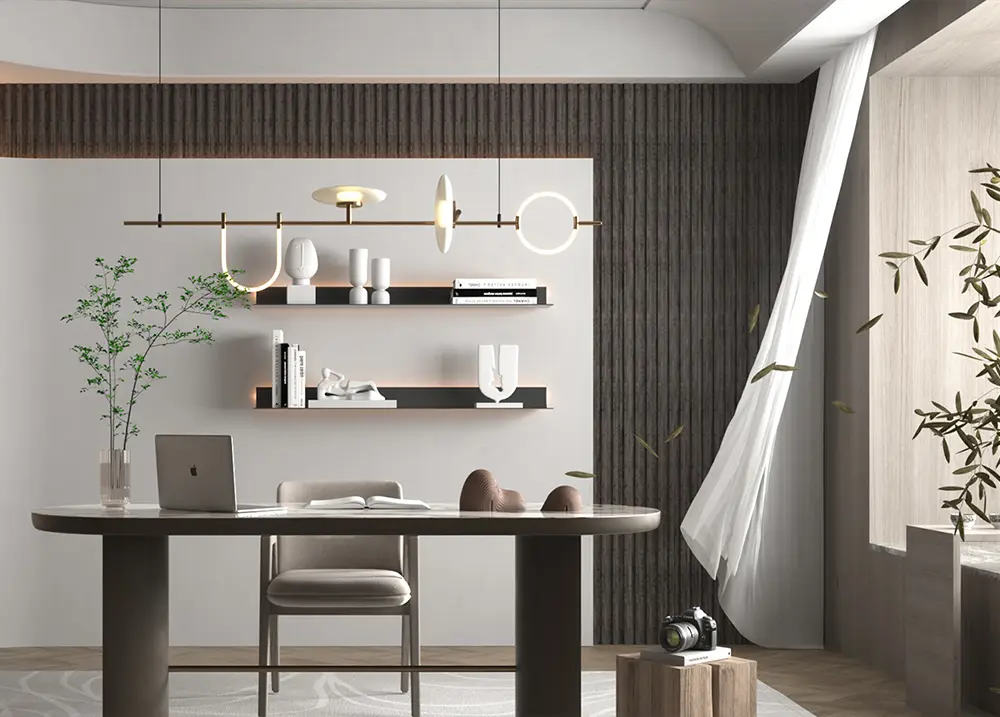
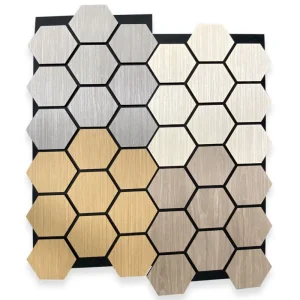
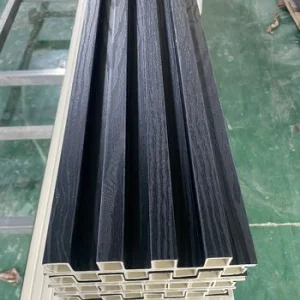
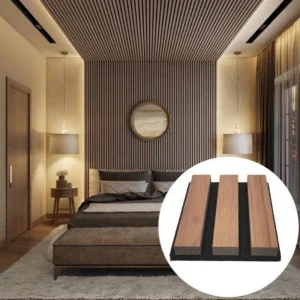
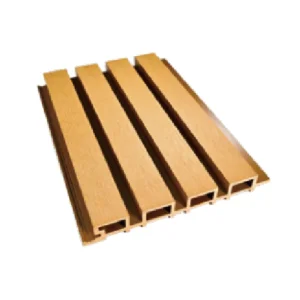
Indoor WPC fluted wall panels, Semicircular profiles, and Acoustic Wood Slat panels create striking visual focal points in hotel lobbies, executive suites, and fine-dining establishments. The integration of sound-absorbing acoustic felt backing optimizes room reverberation times (NRC values up to 0.85).
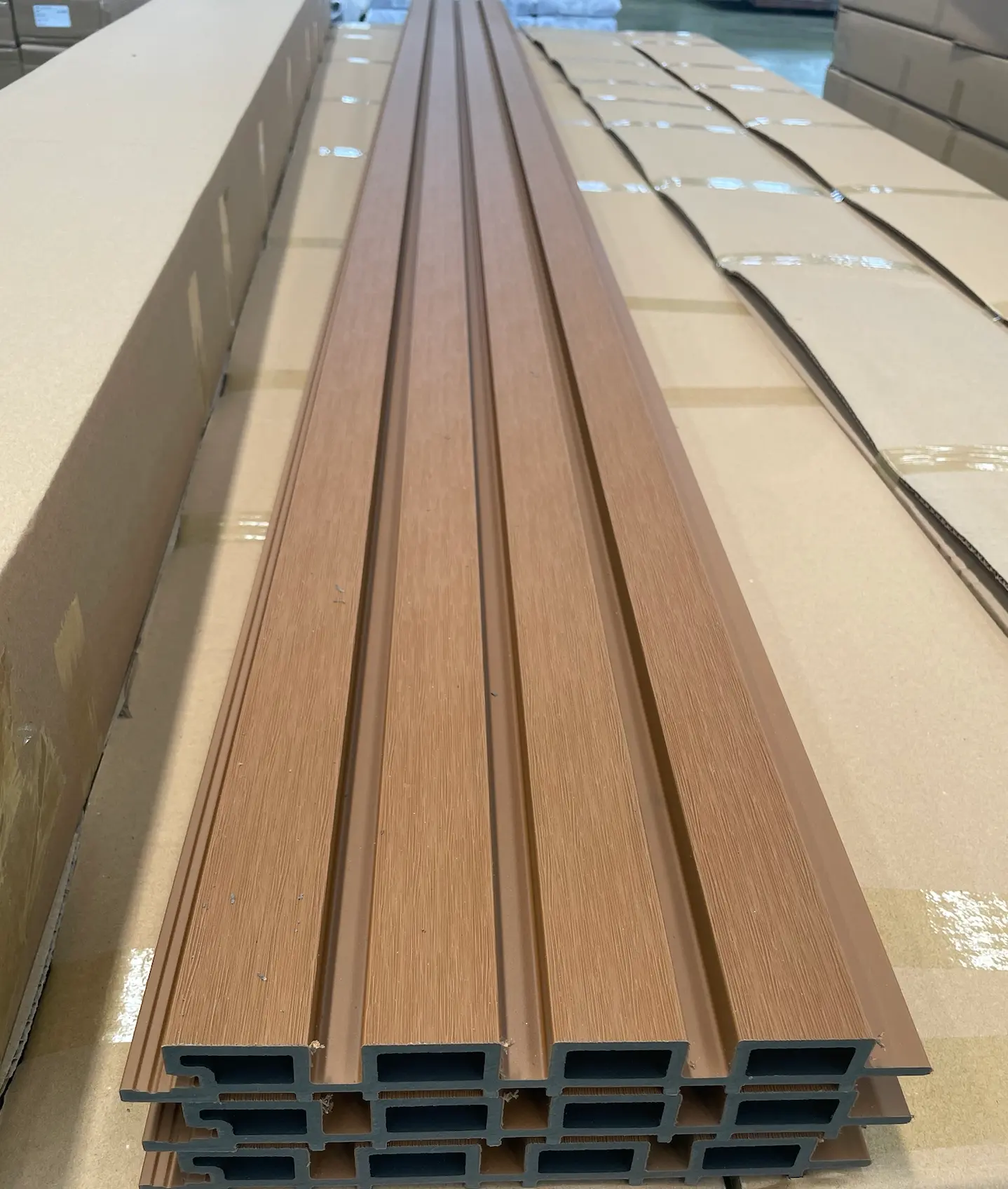
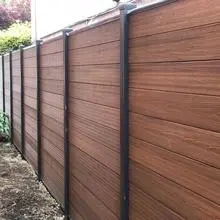
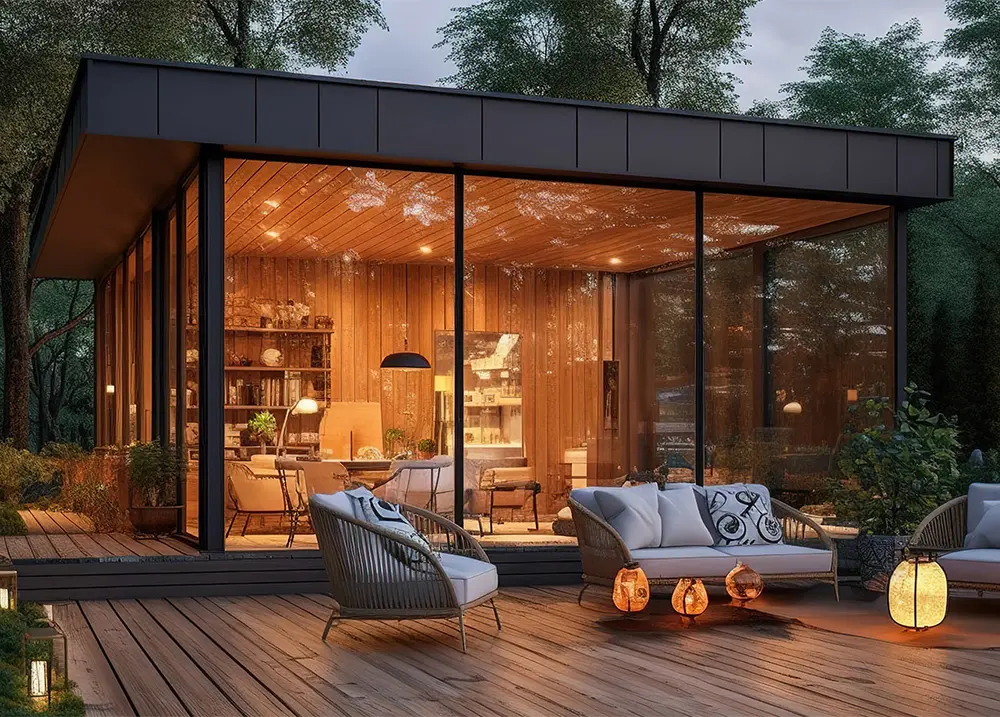
Co-extruded outdoor WPC cladding shields commercial developments from rain screen moisture infiltration while presenting a warm, natural timber aesthetic. Ideal for retail malls, office park facades, and public infrastructure projects requiring zero ongoing maintenance painting or sealing.
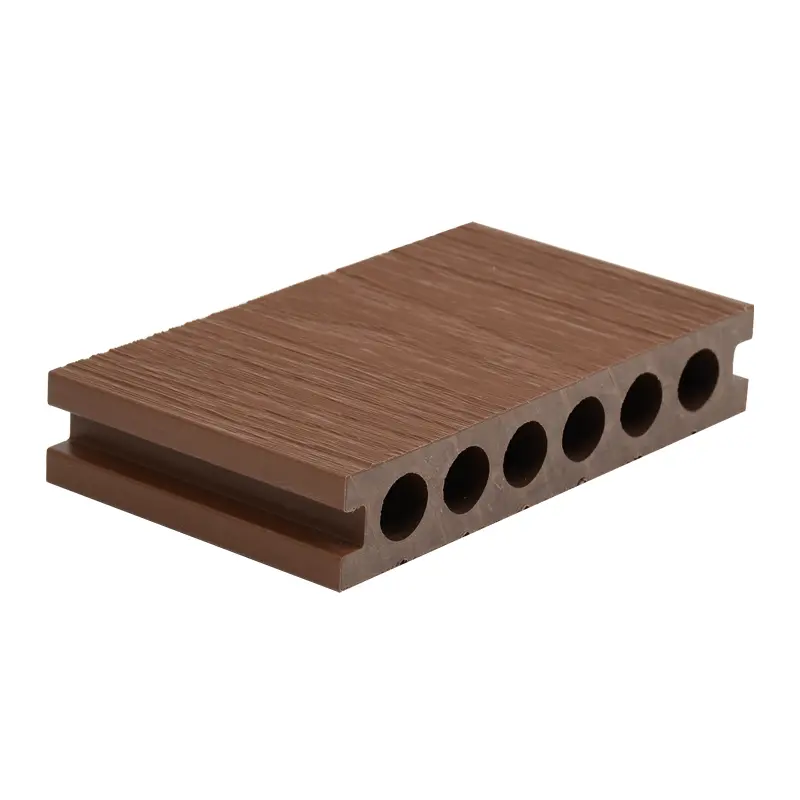
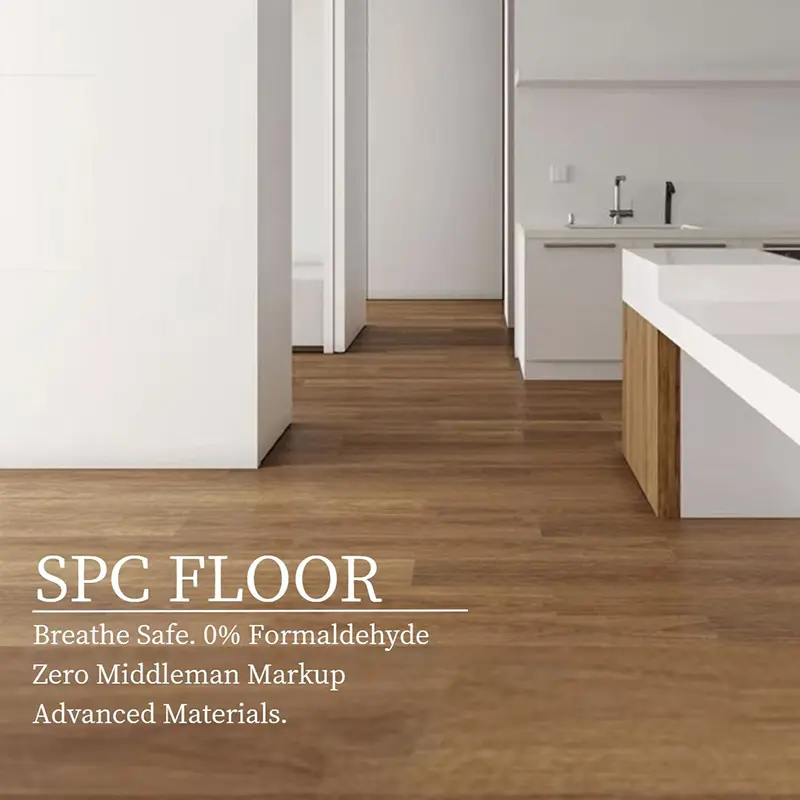
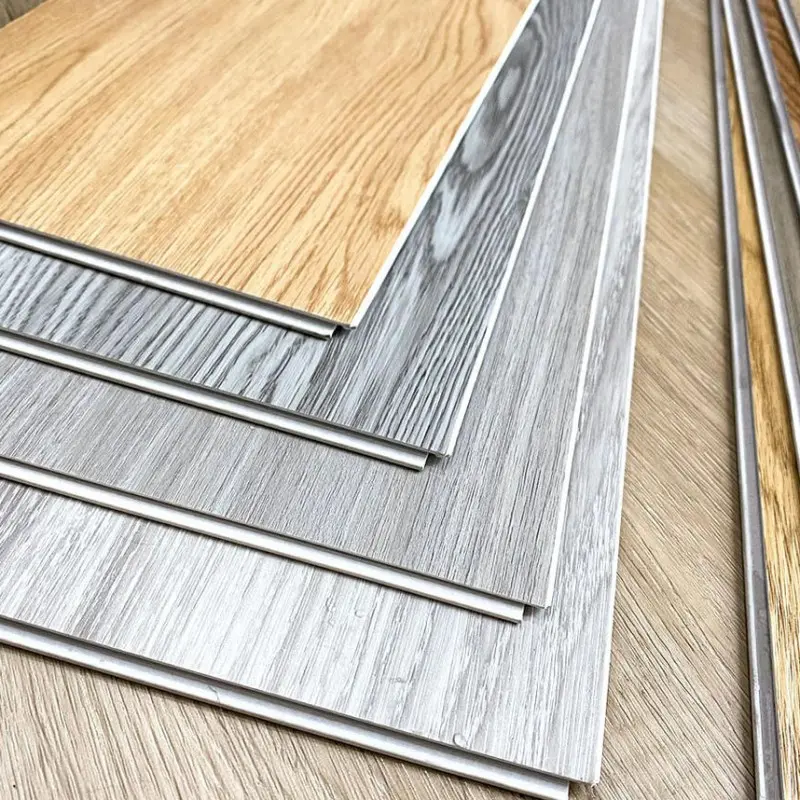
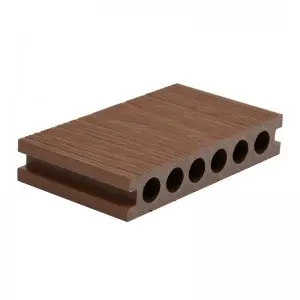
Our SPC (Stone Plastic Composite) rigid core flooring and Heavy-Duty Outdoor WPC Decking provide extreme scratch resistance (UV double-coating with micro-ceramic beads) and anti-slip surface textures (R10/R11 ratings), making them perfect for high-footfall commercial plazas and poolside environments.
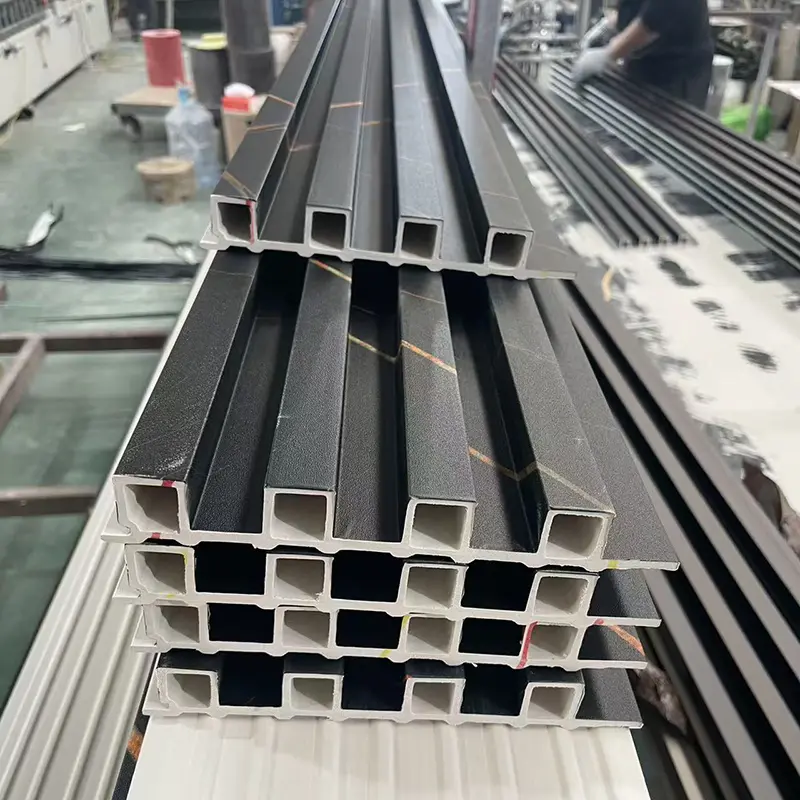
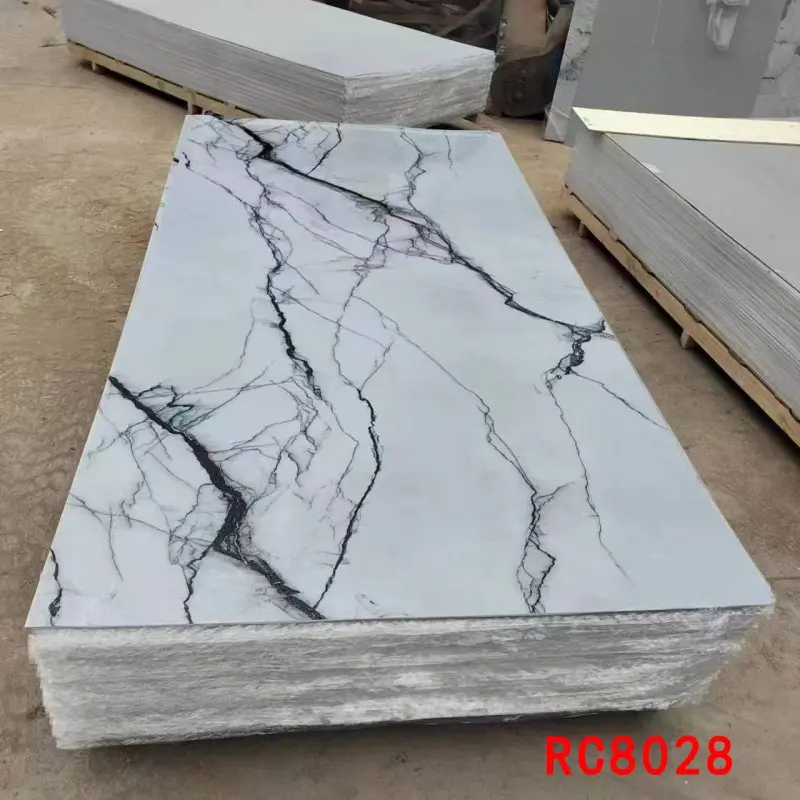
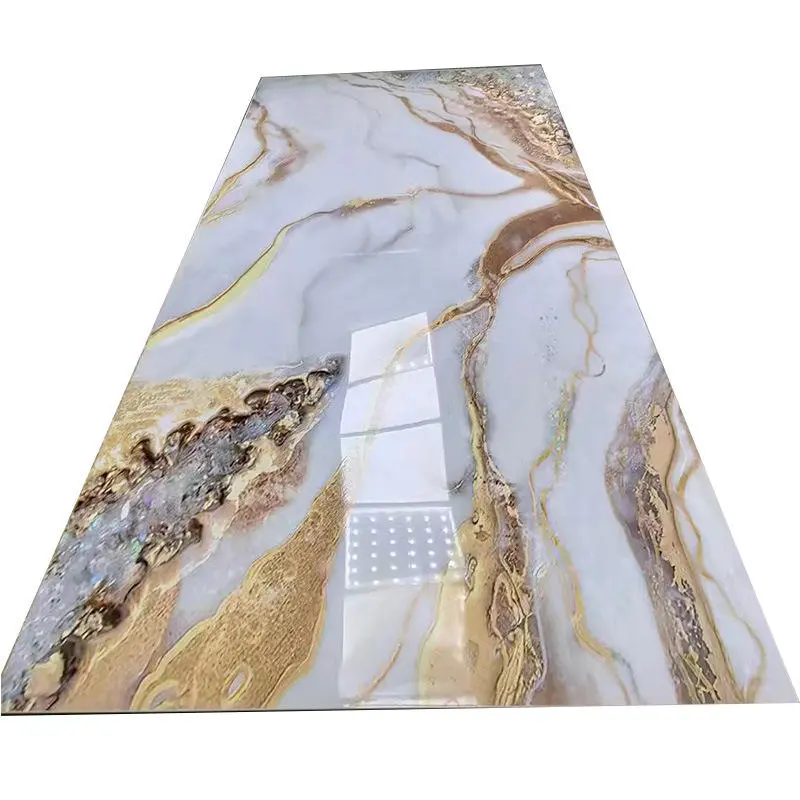
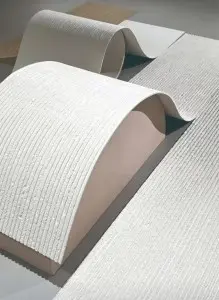
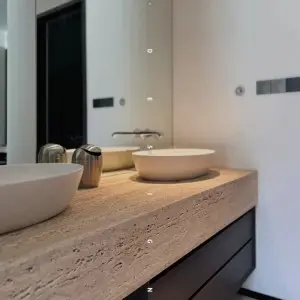
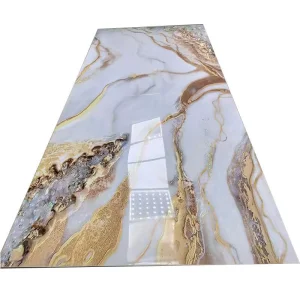
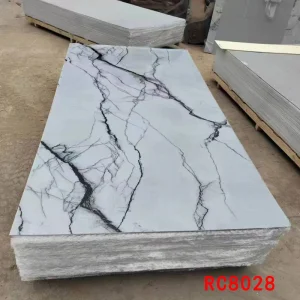
Un-plasticized PVC UV Marble sheets and waterproof indoor WPC wall panels completely bypass the moisture degradation issues that ruin conventional MDF or real wood paneling in spa centers, residential bathrooms, and tropical resort villas.
Lightweight Decorative PS (Polystyrene) wall panels and Bamboo Charcoal Wood Veneers feature precision tongue-and-groove or click-lock interlocking joints, enabling installation directly over existing drywall or masonry—reducing site labor costs by up to 60%.
With fully equipped CNC tooling machine workshops and state-of-the-art engraving equipment, we provide custom extrusion profiles, tailored acoustic slotting patterns, and exact color matching against Pantone/RAL palettes for architectural global accounts.
Clear, authoritative answers addressing technical, logistical, and material queries from global importers and project developers.
Pannelli In WPC engineered by Linyi Rich New Materials combines the organic aesthetic of natural wood with the structural longevity of high-grade thermoplastics. Unlike solid timber, WPC does not warp, split, rot, or require annual oiling/staining. Compared to High-Pressure Laminates (HPL), WPC provides superior 3D tactile depth, integrated acoustic insulation options, better impact damping, and significantly higher cost-efficiency at scale.
First-generation single-extrusion WPC exposes the homogenous wood-plastic blend directly to environmental forces. While functional, it is more susceptible to surface staining and gradual UV color shifts. Co-extrusion WPC features a dense core encased in a continuous 360-degree outer skin made of modified fluorocarbon resin polymer. This outer layer is completely non-porous, highly resistant to oil/wine/water stains, immune to wood-rot fungi, and exhibits virtually zero fading under harsh UV exposure.
Color variation in composite manufacturing occurs due to natural fluctuations in wood fiber shade or imprecise pigment dosing. We mitigate this through computer-controlled spectrophotometers and automated gravimetric feeding systems. Every raw batch of hardwood flour is color-graded and dried to strict moisture thresholds (<1.5%), while color masterbatches are mixed with micro-precision. We retain control samples for every production run to guarantee color harmony across multi-container shipments.
Our indoor WPC wall panels and SPC flooring achieve EN 13501-1 Class B-s1, d0 flame retardant ratings. This indicates that the material produces minimal smoke, does not contribute to flashovers, and produces no flaming droplets upon exposure to open flame. For specialized architectural projects, flame-retardant additives can be customized to meet specific national fire safety codes.
Our standard manufacturing lead time is 10 to 14 days for a full 20ft/40ft High Cube container. A 40HQ container typically yields around 2,200 to 2,800 square meters of WPC wall paneling depending on profile thickness and custom packaging. We utilize heavy-duty protective corner protectors, shrink-wrap palletizing, and reinforced steel strapping to ensure zero damage during long-distance ocean transit.
Yes. Our indoor waterproof WPC wall panels and UV Marble sheets are 100% impervious to water penetration. However, for continuous wet room applications (such as public shower stalls), standard waterproofing membranes must be installed on the underlying substrate prior to panel mounting, and non-corrosive, marine-grade silicone sealants must be applied at corner joints to prevent moisture behind the wall assembly.
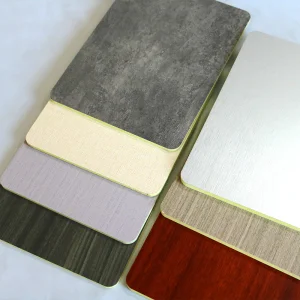
High-performance decorative wood veneers, acoustic slating, and specialized polymer wall coverings.
 Rich New Materials