In an era where sustainability meets aesthetics, the demand for Outdoor WPC Cladding continues to rise globally. Experts like Dr. Jane Harmon emphasize this trend, stating, "The longevity and versatility of Outdoor WPC Cladding make it an ideal choice for modern architecture." WPC, or wood-plastic composite, combines wooden materials with plastic to form a durable and attractive cladding option.
With an array of styles and colors available, global buyers find this material appealing for various outdoor applications. Its resistance to fading, moisture, and pests sets it apart from traditional cladding options. While Outdoor WPC Cladding is gaining popularity, it’s essential to recognize that quality varies among manufacturers. Not all products meet the same standards.
As we explore the best Outdoor WPC Cladding options for 2026, there is much to consider. Sustainability, aesthetic appeal, and cost-effectiveness should drive choices. However, buyers must remain vigilant, as not all products live up to their promises. Reflecting on these factors ensures informed purchasing decisions in a rapidly evolving market.
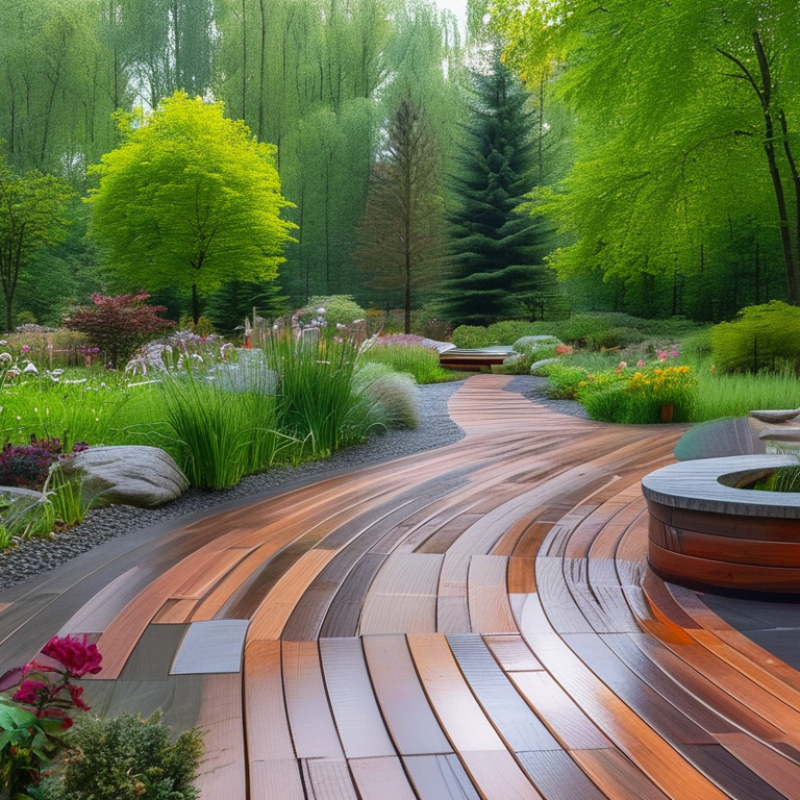
WPC cladding has gained popularity for outdoor applications due to its many advantages. One of the key benefits is its durability. Unlike traditional wood, WPC (Wood Plastic Composite) is resistant to warping and fading. This means less maintenance and greater longevity. Homeowners and builders alike appreciate the low upkeep required to keep these surfaces looking new.
Another significant advantage is the environmental impact. WPC is often made from recycled materials, making it a sustainable choice. This contributes positively to reducing waste. It effectively combines the beauty of wood with the resilience of plastic. Those looking for eco-friendly options will find WPC cladding appealing.
It’s essential to consider the installation process. Proper installation techniques are crucial for maximizing the lifespan of WPC cladding. If done incorrectly, it can lead to issues such as moisture retention. Seek guidance from experts on how to achieve the best results. Always measure your space accurately and choose the right materials that fit your project needs. A little research can save you time and money in the long run.
| Option | Material Composition | Durability | Maintenance | Environmental Impact | Cost |
|---|---|---|---|---|---|
| WPC Planks A | 60% Wood Fiber, 30% PVC, 10% Additives | 20 years | Low | Recyclable | $25/sq ft |
| WPC Panels B | 70% Wood Fiber, 20% HDPE, 10% Additives | 25 years | Moderate | Sustainable | $30/sq ft |
| WPC Boards C | 65% Wood Fiber, 25% Polymer, 10% Additives | 15 years | Very Low | Biodegradable | $20/sq ft |
| WPC Slats D | 75% Wood, 15% Recycled Plastics, 10% Additives | 30 years | Low | Eco-friendly | $35/sq ft |
: WPC cladding combines wood and plastic. It offers durability and aesthetic appeal for outdoor applications.
Ensure the substructure is level and clean. Remove any debris before starting the installation.
Maintain a gap of about 5-7 mm. Proper spacing allows for expansion and contraction with temperature changes.
Using the right fastener prevents visible marks and damage. Always choose suitable fastening methods for best results.
Regular cleaning with soap and water is key. This prevents dirt buildup and keeps your cladding looking fresh.
Consider using a UV protectant. This helps maintain color vibrancy despite exposure to sunlight.
Inspect regularly for cracks or warping. Repairing issues quickly keeps the cladding in good shape.
Occasional sealing is beneficial. It provides extra protection against moisture and minimizes mold growth.
Yes, some wear is natural. Embracing signs of age can add character to your outdoor space.
Extreme weather can affect performance. Regular maintenance and inspections are important to mitigate these issues.
In 2026, Outdoor WPC Cladding has emerged as a top choice for global buyers looking to enhance their exterior spaces. This innovative material offers key advantages such as durability, resistance to weather conditions, and lower maintenance requirements compared to traditional wood. Various types of WPC cladding materials are gaining popularity, with options tailored to different aesthetic preferences and functional needs.
Ensuring proper installation is crucial for maximizing the longevity and performance of Outdoor WPC Cladding. A step-by-step guide on installation techniques can help users achieve a flawless finish. Additionally, regular maintenance tips can further enhance the life of WPC cladding in outdoor environments, making it a wise investment for homeowners and builders alike. Overall, Outdoor WPC Cladding represents a sustainable and stylish solution for exterior cladding needs in 2026.

 Rich New Materials